The Gallery of Five Continents at the Musée du Louvre
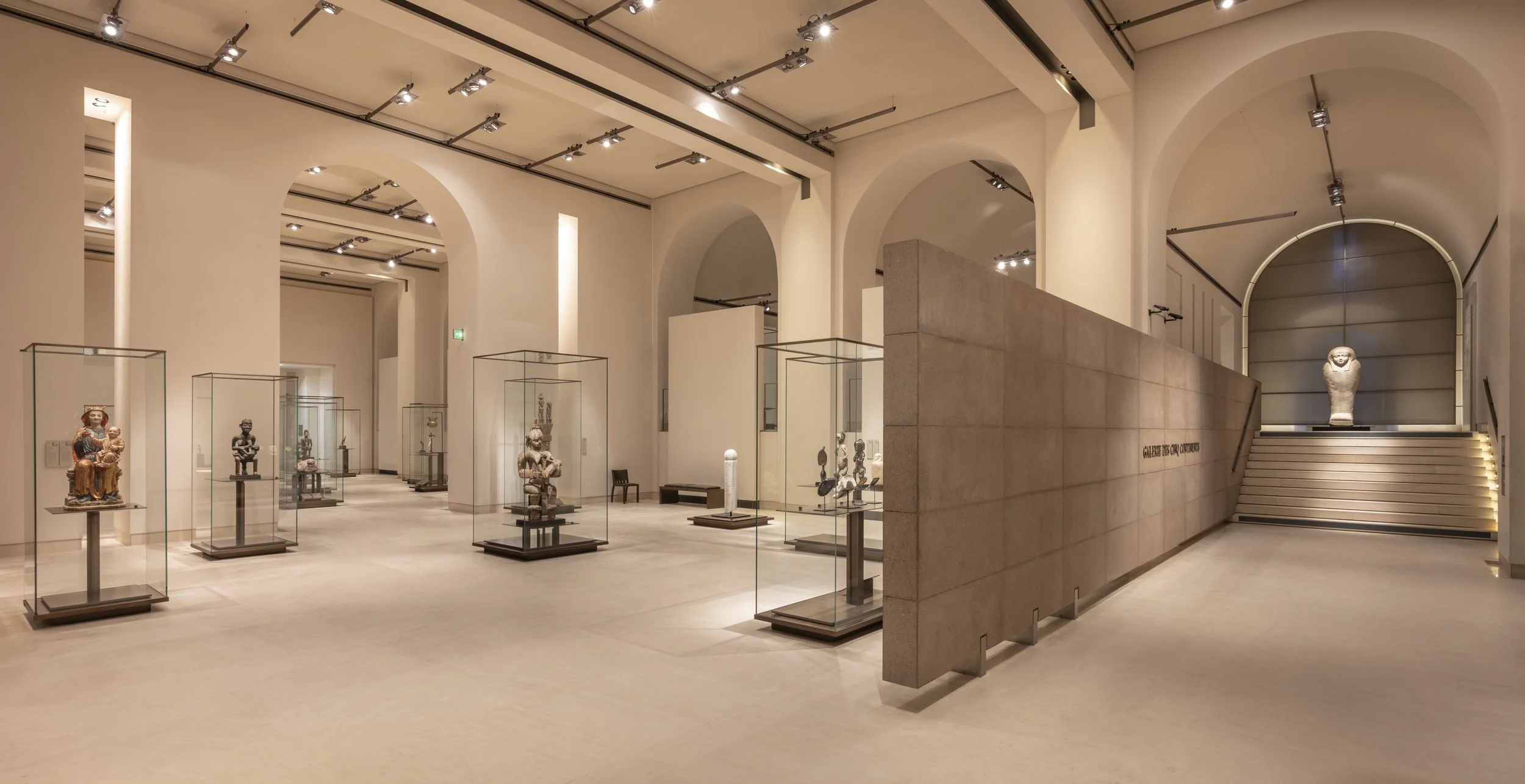
The Gallery of Five Continents
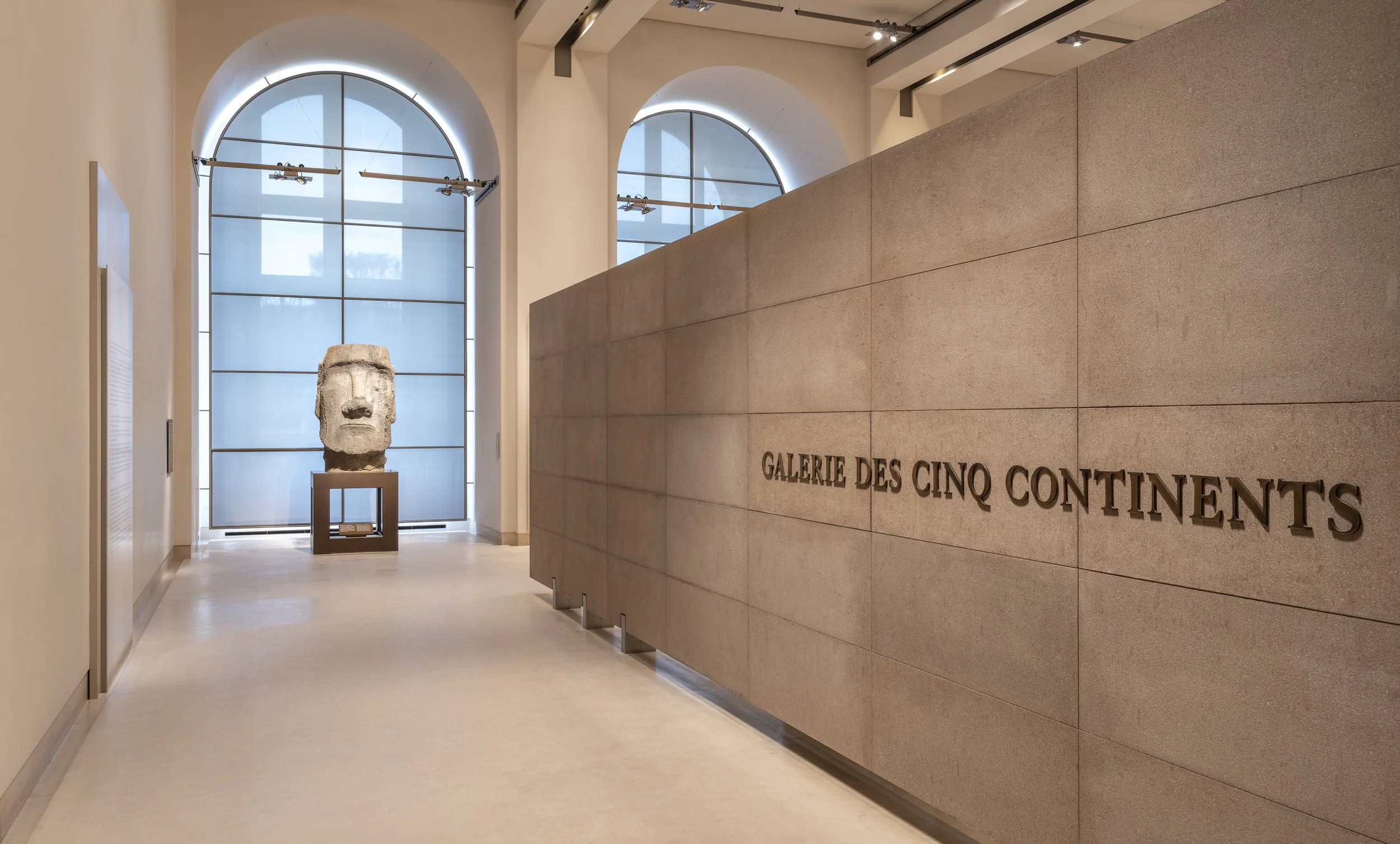
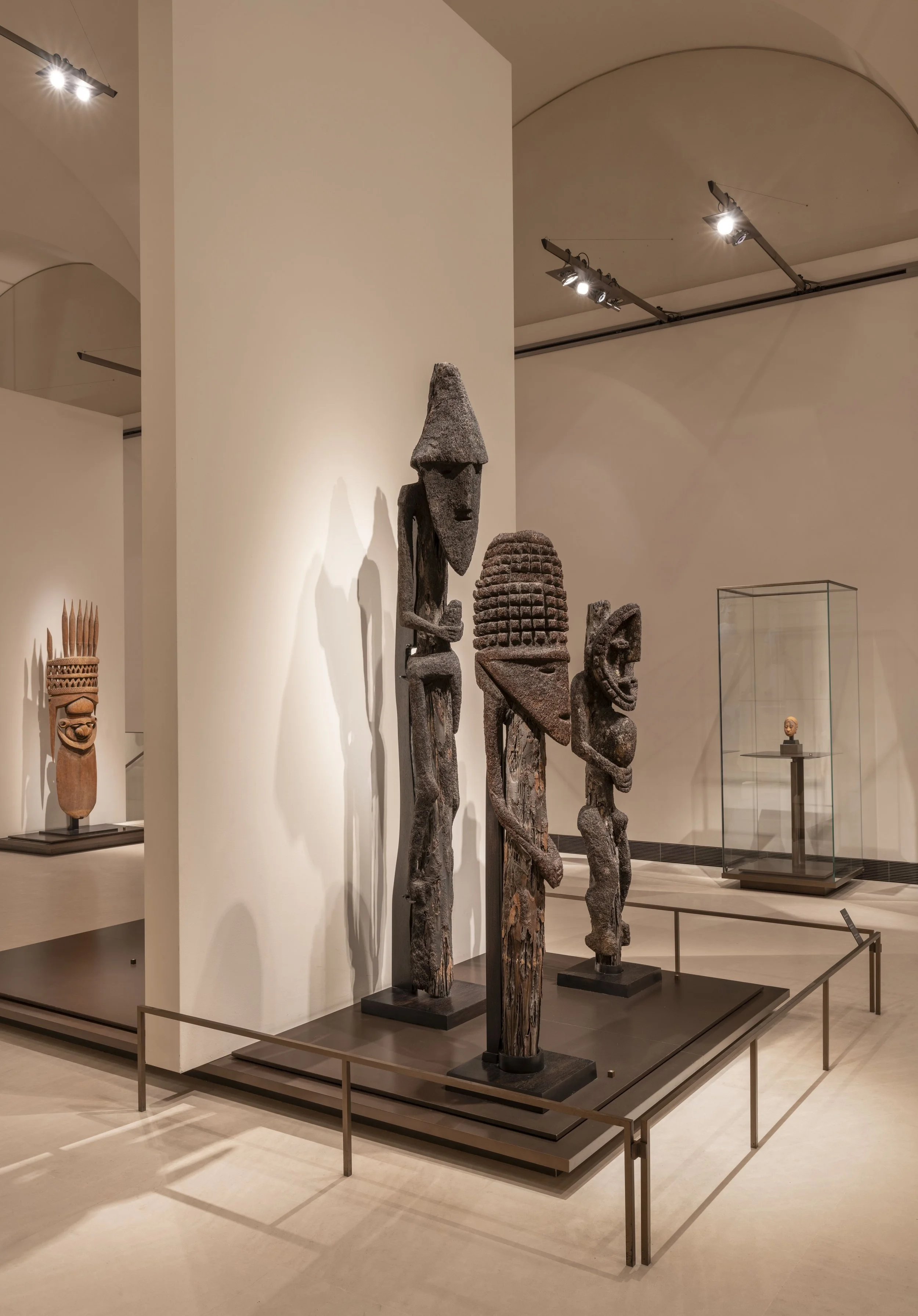
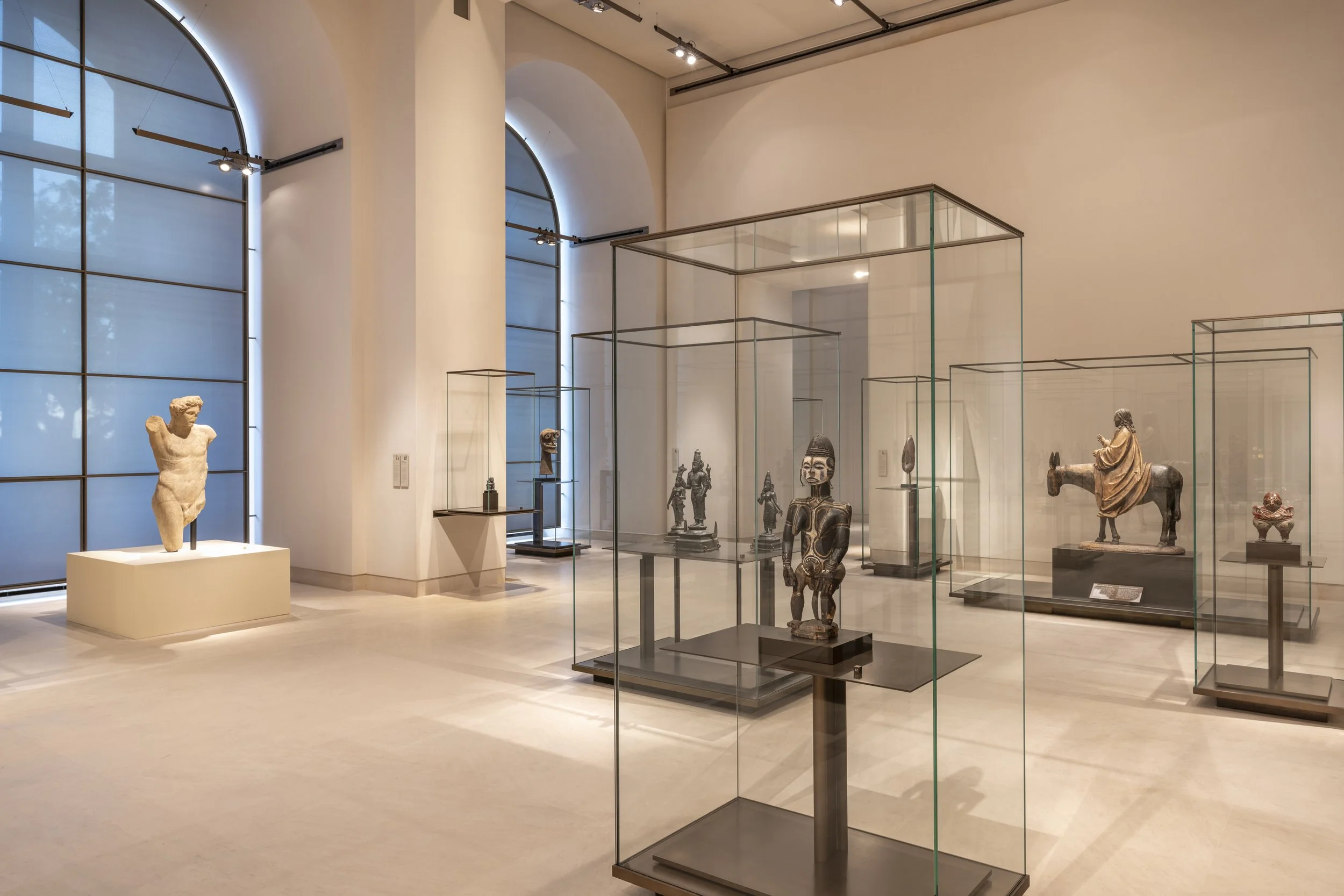
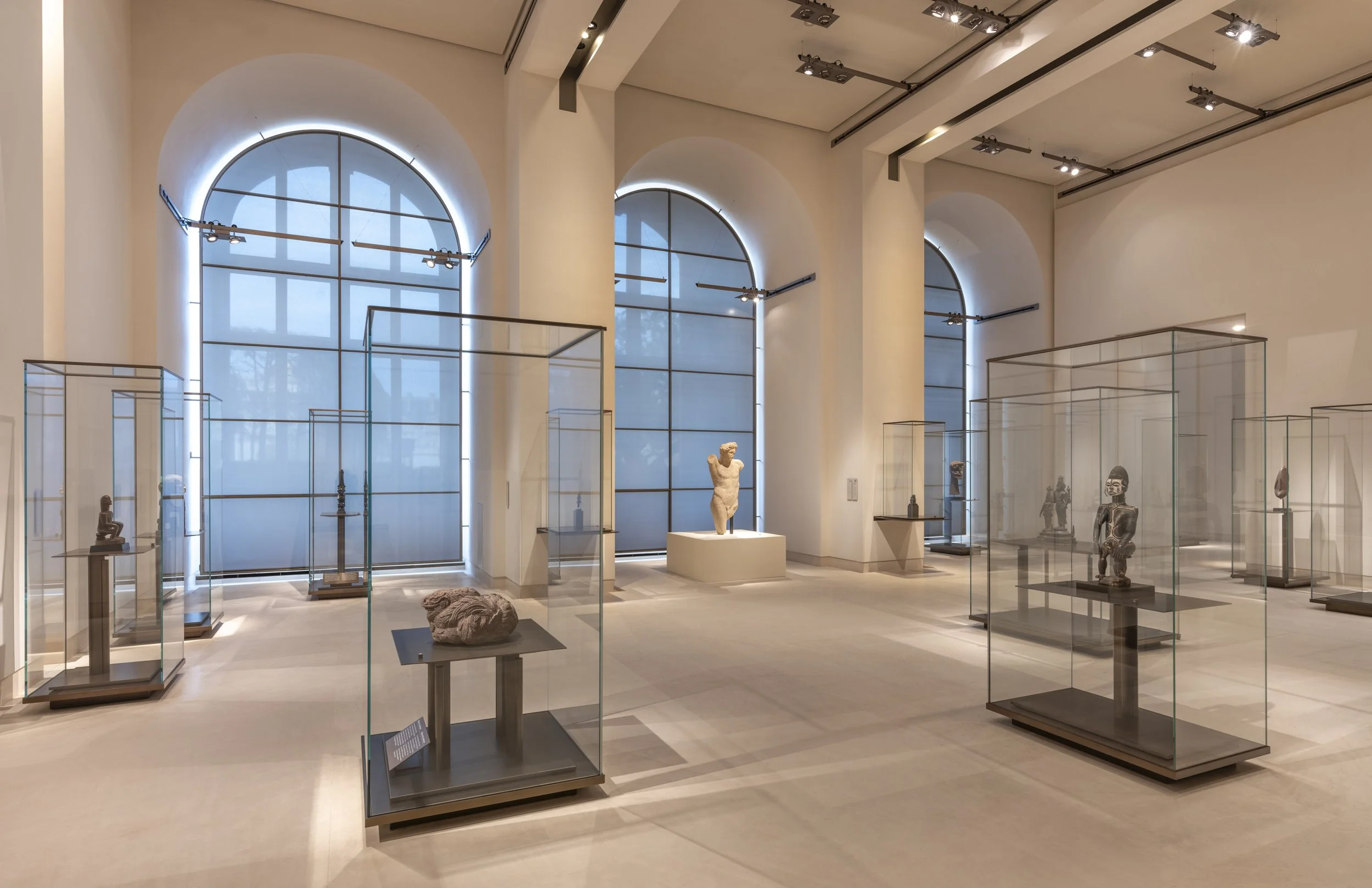
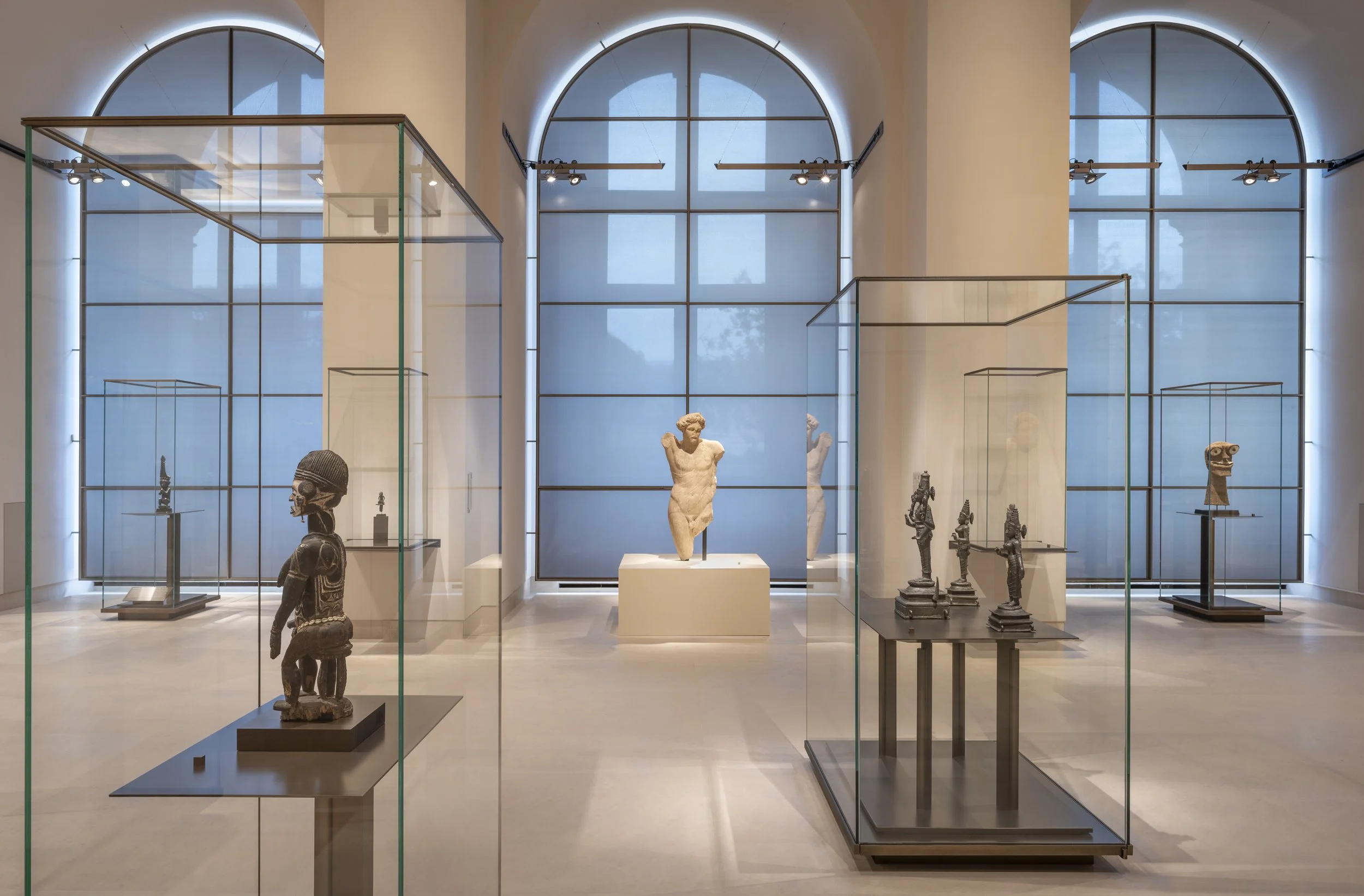
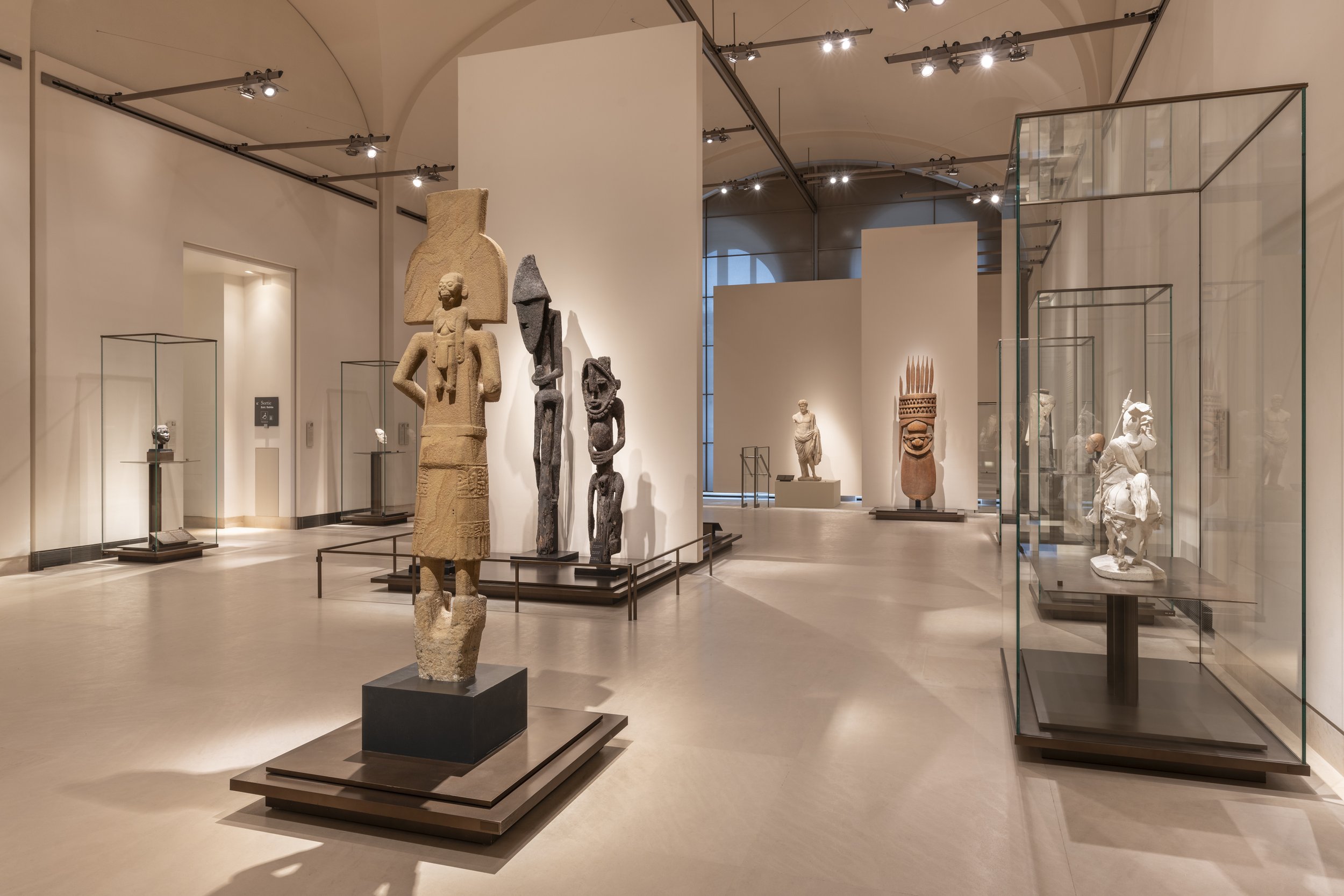
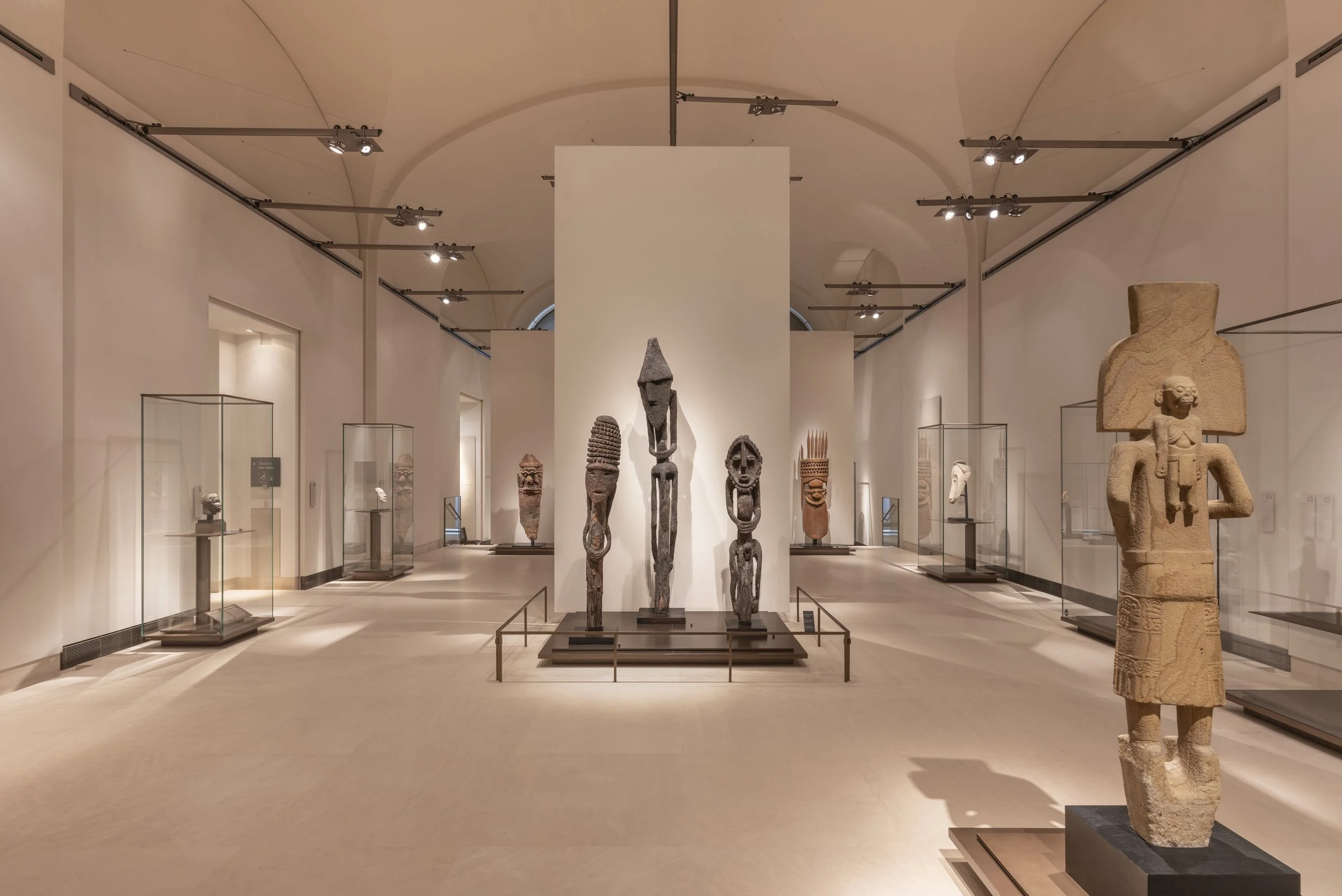
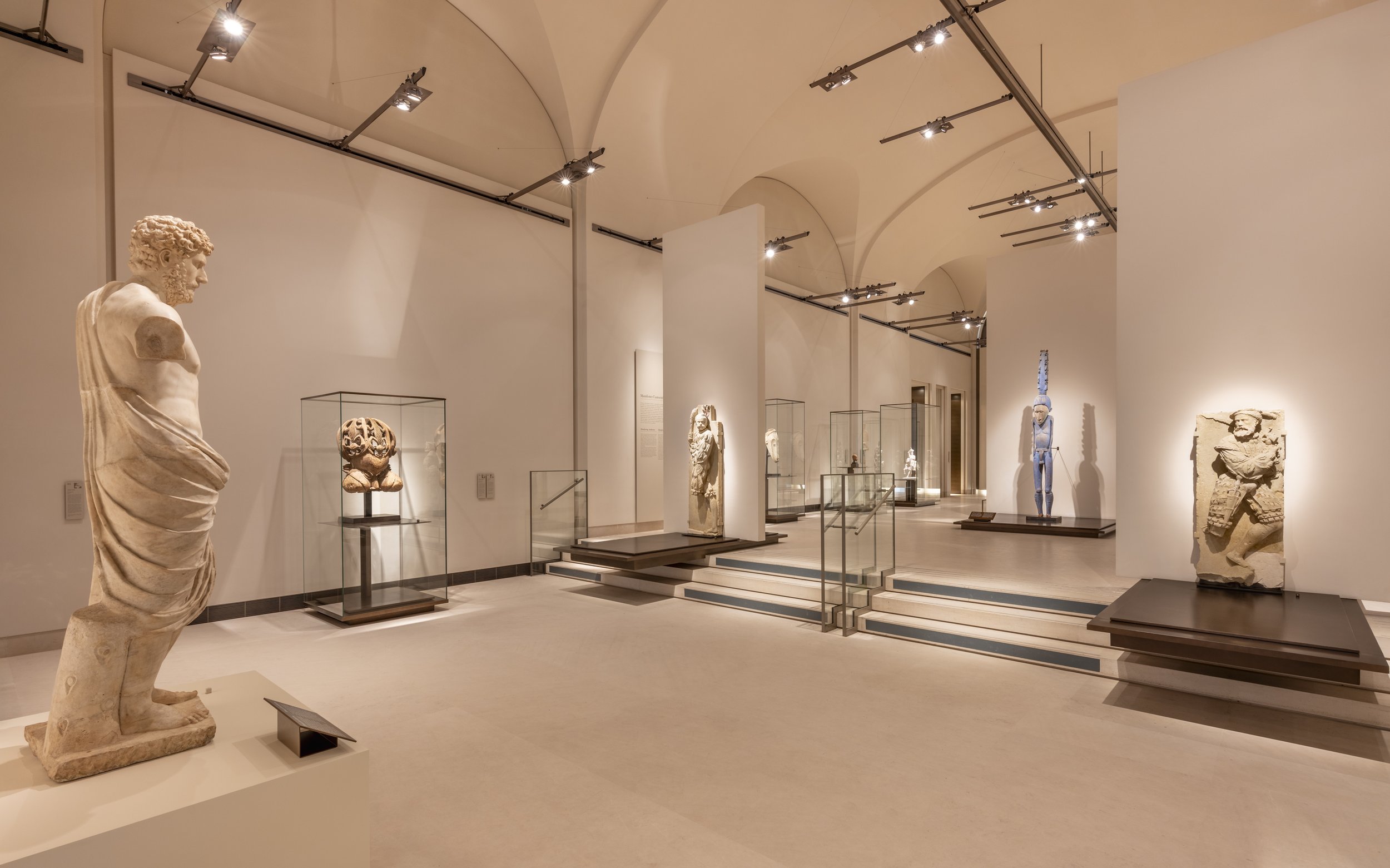
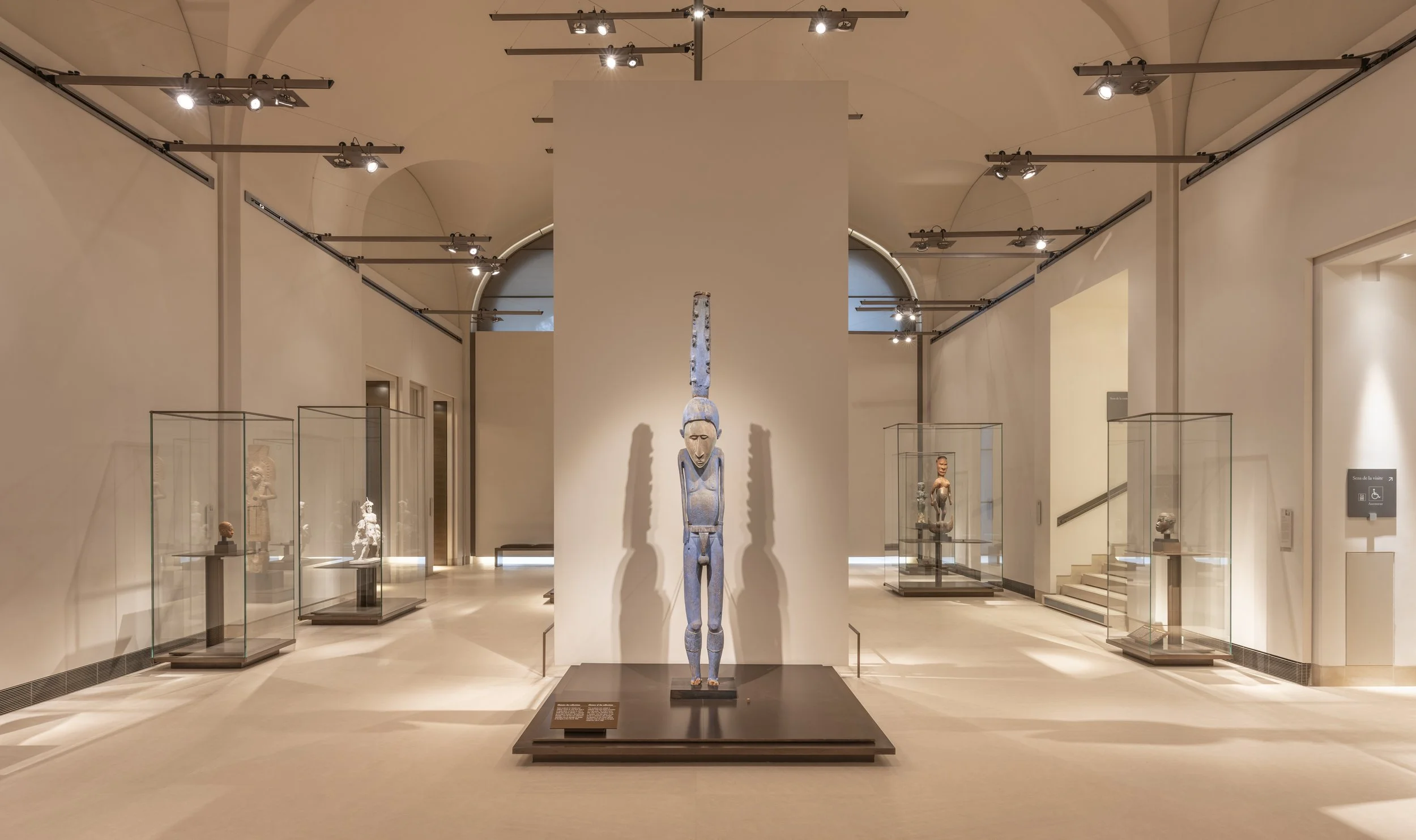
Together, the Musée du Louvre and the Musée du quai Branly - Jacques Chirac open the Gallery of Five Continents, a newly remodeled exhibition space in the Louvre dedicated to exploring the confluence of arts and civilizations from around the world.
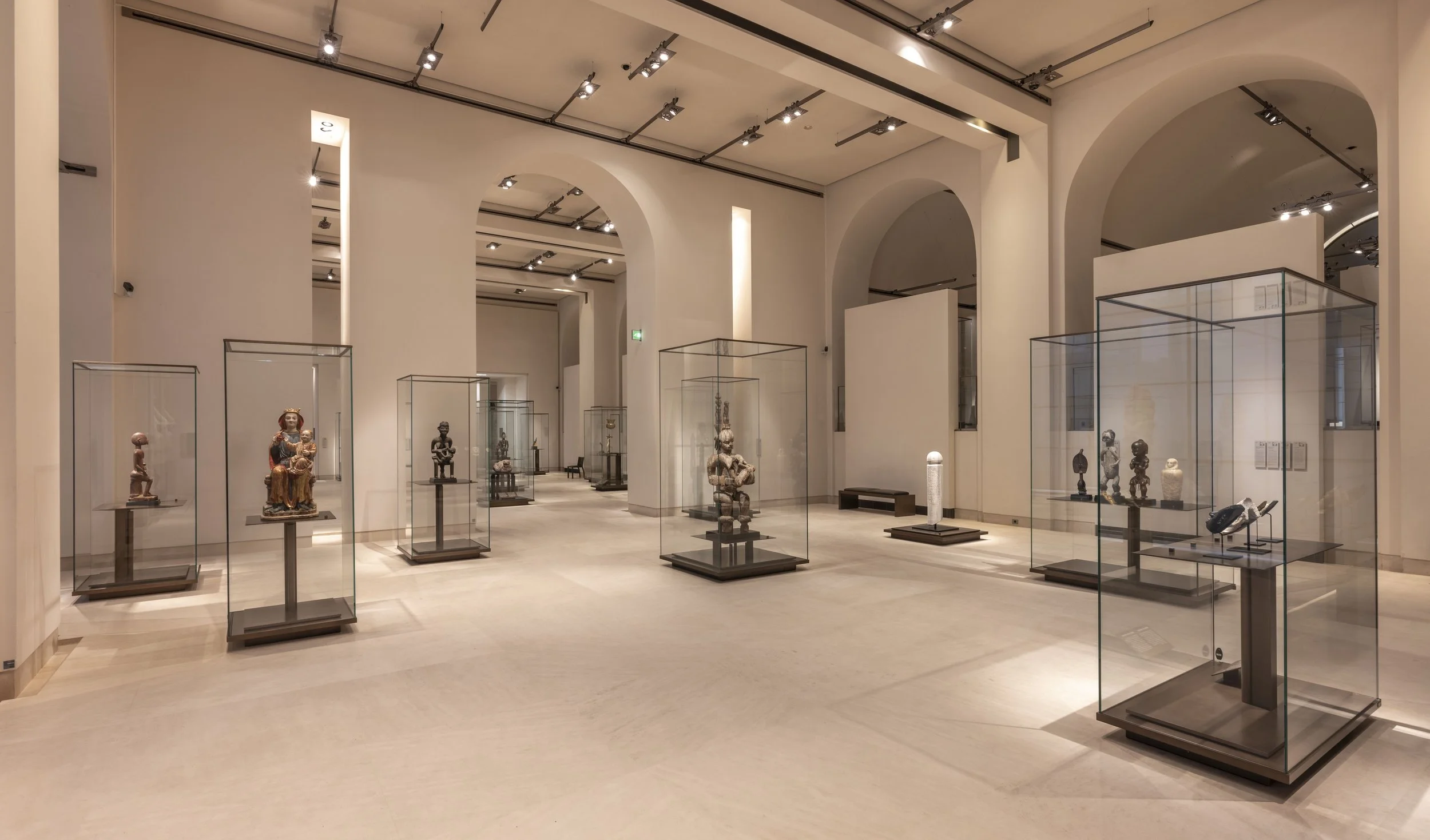
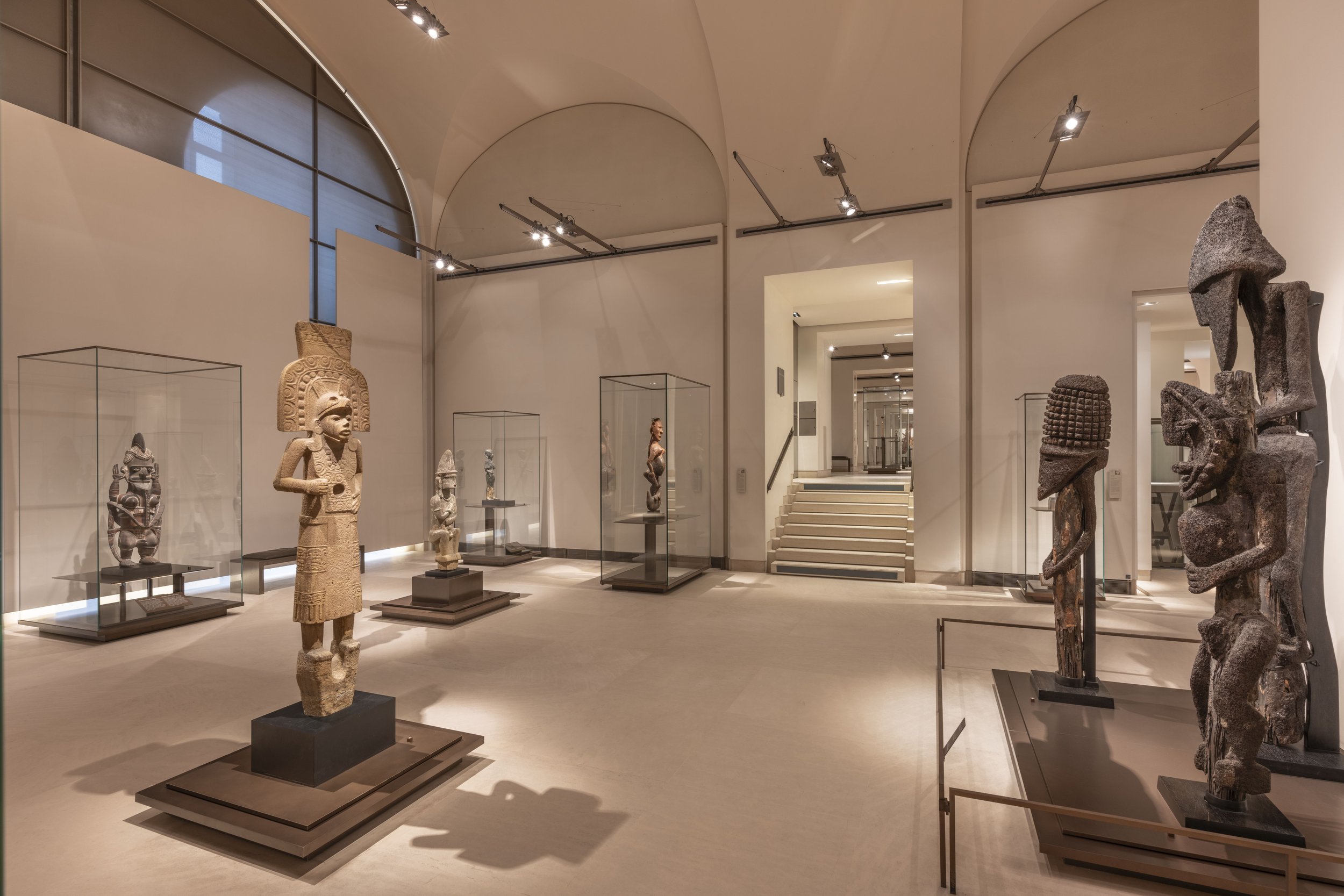
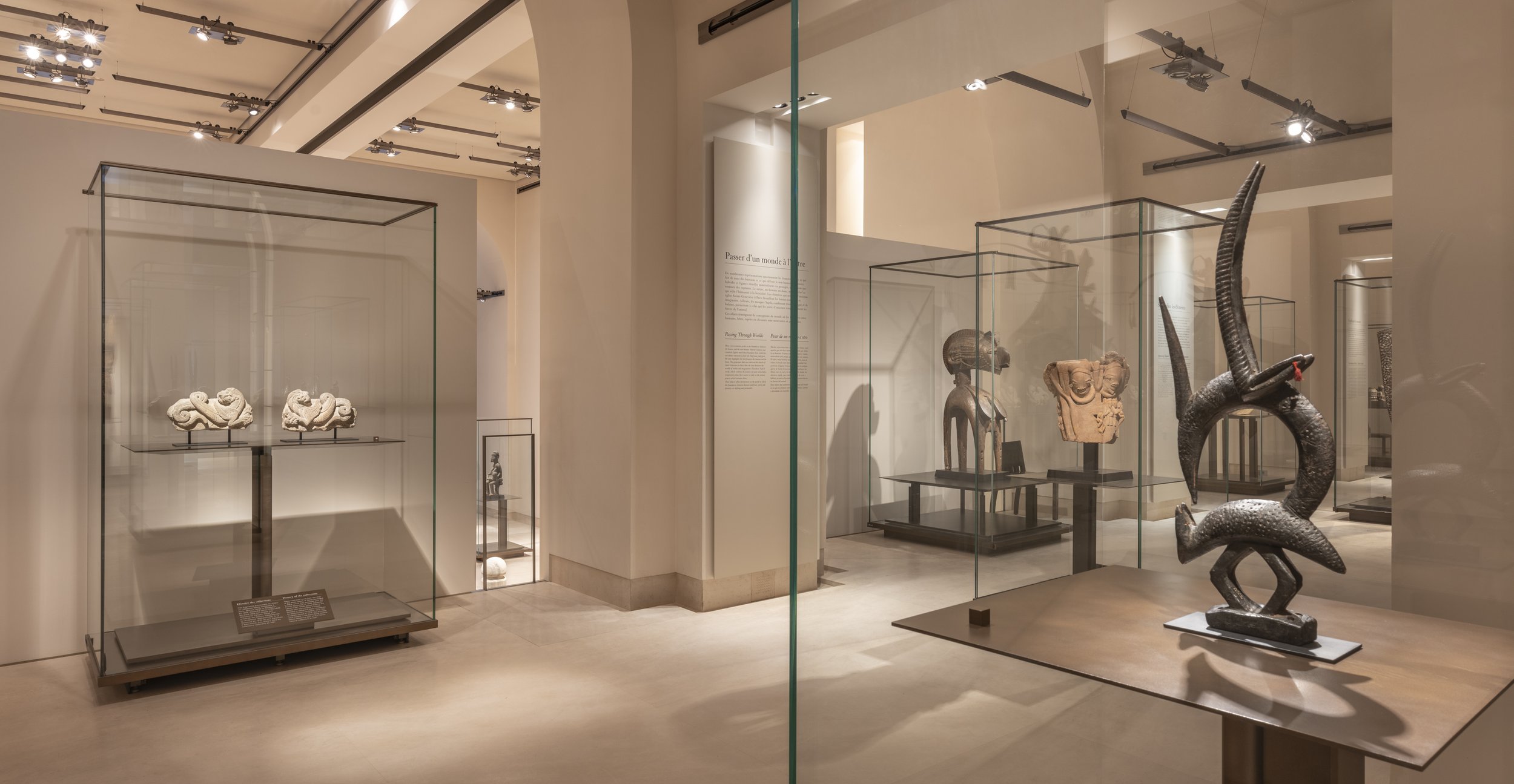
The fruit of a collaboration between two major French institutions, the Gallery of Five Continents presents a novel dialogue encompassing works from Africa, the Americas, Asia, Europe and Oceania. Twenty-five years after the inauguration of the Pavillon des Sessions (2000–2024) made a statement of cultural equity, the Gallery of Five Continents offers an unbounded approach to the global history of art by showcasing artworks from a variety of continents and time periods.
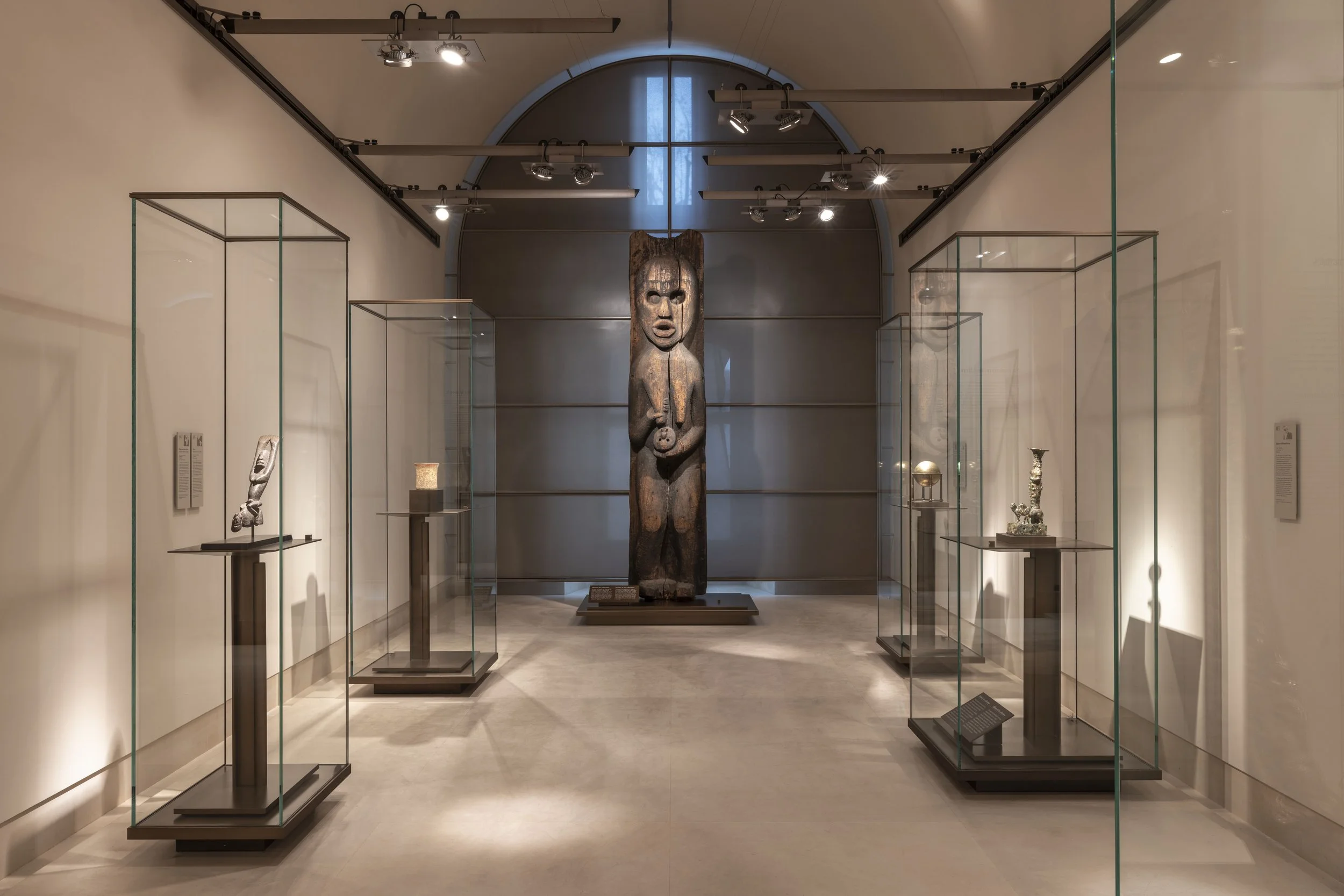
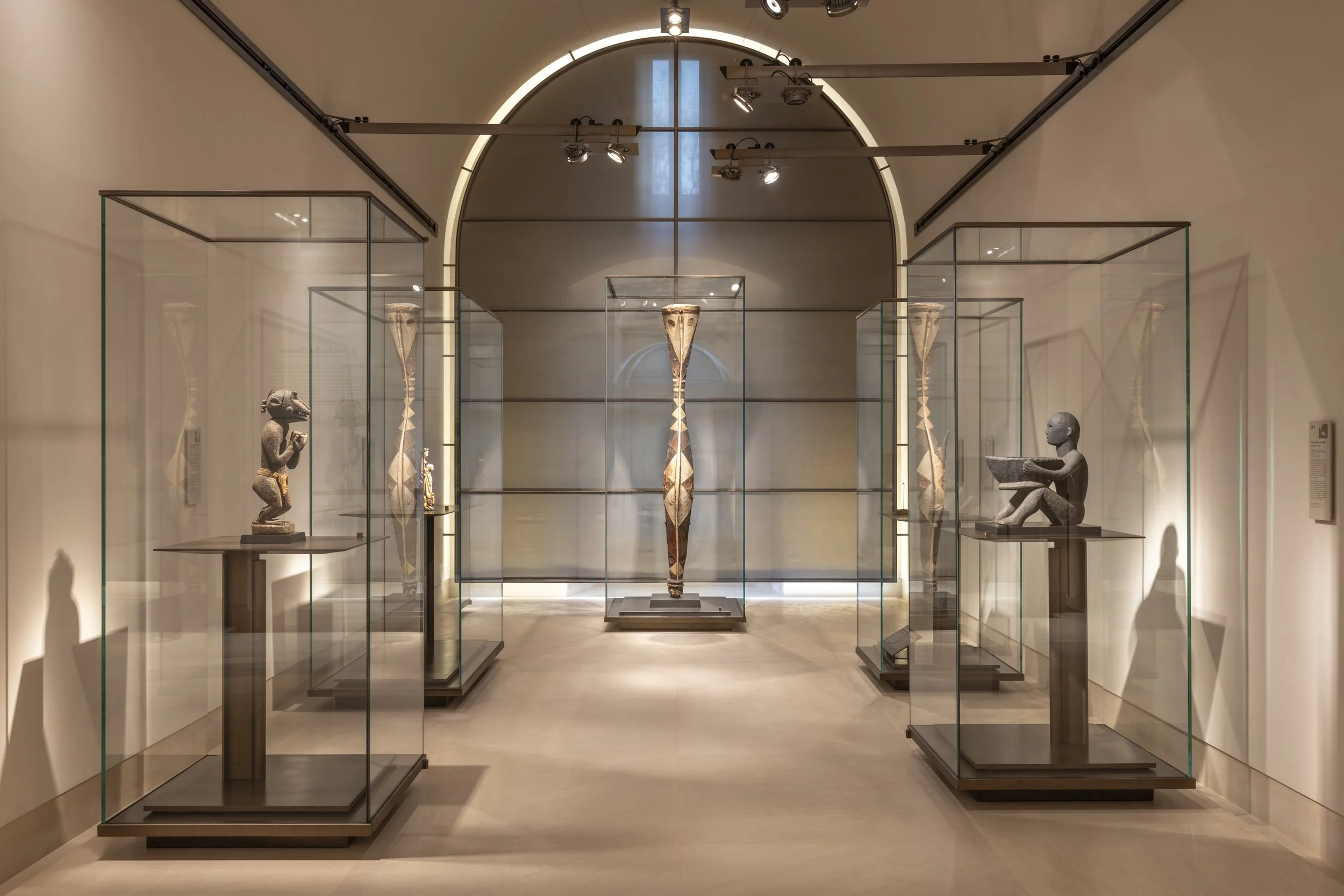
Bringing together 130 major pieces of our global cultural heritage from the collections of the Louvre, the Musée du quai Branly - Jacques Chirac, and other cultural institutions, this new presentation draws connections between artworks, objects, artefacts, artistic forms, and symbols which span geographies and cultures, interweaving manifold narratives of art and human creativity. The Gallery also delves into the provenance of the objects on display, with a visitor trail dedicated to the history of the collections. The clarity of the original design by the architect Jean-Michel Wilmotte enables this new, open and universal interpretation of the pieces.
2000–2025, from the Pavillon des Sessions to the Gallery of Five Continents
Located in the Denon wing of the Louvre, close to the Porte des Lions, which has also undergone remodeling, the Gallery of Five Continents marks a new step towards the realization of the space's intended purpose, as established in 2000 at the initiative of President Jacques Chirac. The creation of the Pavillon des Sessions allowed art from African, Asian, Oceanic and American civilizations entrance into France's largest cultural institution, definitively integrating masterpieces from non-Western cultures into the overarching narrative of art history. Twenty-five years later, this view of the plurality of cultural heritage is widely recognised and shared, and the new Gallery of Five Continents now aims to amplify cross-cultural echoes.
Setting the scene for a global dialogue
The Gallery of Five Continents is the result of a fresh approach to museography, aimed at fostering discourse between disparate artworks, cultures and time periods. By bringing together various disciplines, this new presentation of the collection participates in a broader movement, breaking down barriers between artistic narratives in order to emphasize the equality, diversity and universality of our shared heritage.
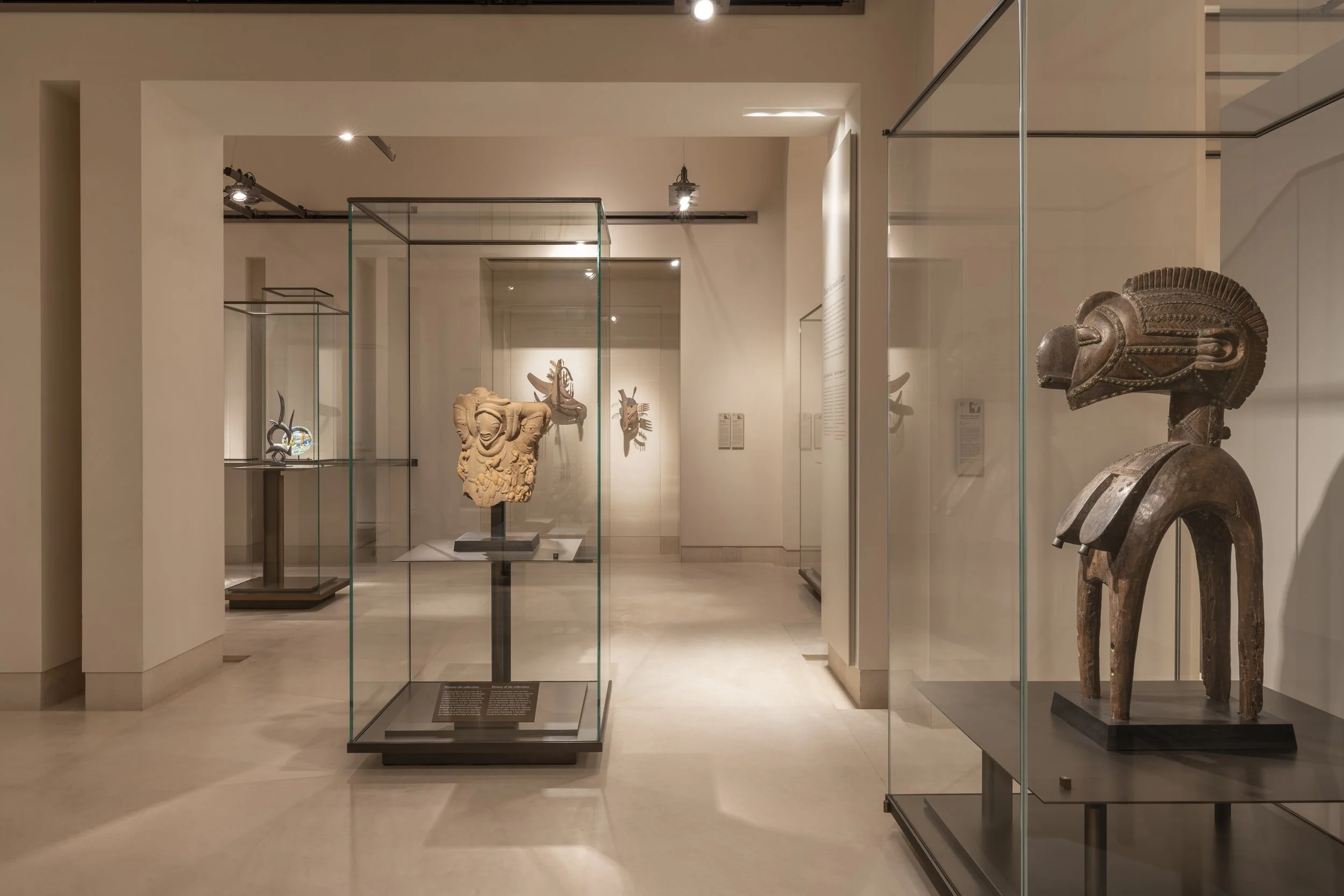
For the very first time, forty-two works from the Musée du Louvre's collections – sculptures, objets d'art, Greek, Roman, Egyptian and Near Eastern antiquities, Islamic art, Byzantine art – will be exhibited alongside seventy-seven masterpieces from the Musée du quai Branly - Jacques Chirac, together with loans from the Musée Guimet, the Aquitaine museum, the Château-Musée de Boulogne-sur-Mer, the French National Library, and the French National Maritime museum, as well as works on loan from Nigeria. The Galley draws connections between these works by exploring their thematic, conceptual and formal similarities. Visitors are invited to uncover the parallels between pairs and groups of the works on display for themselves.
The Musée du quai Branly - Jacques Chirac and the Musée du Louvre jointly curated the Gallery in a spirit of collaboration and mutual respect, establishing meaningful and significant connections between works and working together to tell the story of humanity in all its diversity and richness.
Diverse creation stories bound together by universal human themes and questions
The Gallery of Five Continents explores major universal themes – the representation of power, forms of the sacred, views of the world and humanity's relationship with the natural elements – all fundamental concepts which each culture has interpreted in its own way. These common threads reveal formal and symbolic connections between objects which hail from far-flung places and time periods.
Each section of the Gallery includes multilingual explanations (in French, English, and Spanish) to provide visitors with context, and each work features a bilingual label with additional information. What's more, approximately 20 of the works are presented with additional in-depth information about their history, use, and journey.
This mediation work, which is a key part of the project, aims to offer visitors a fresh perspective, conveying the richness of the contexts in which these pieces were created while also highlighting their place in our shared global heritage.

Gallery Preview
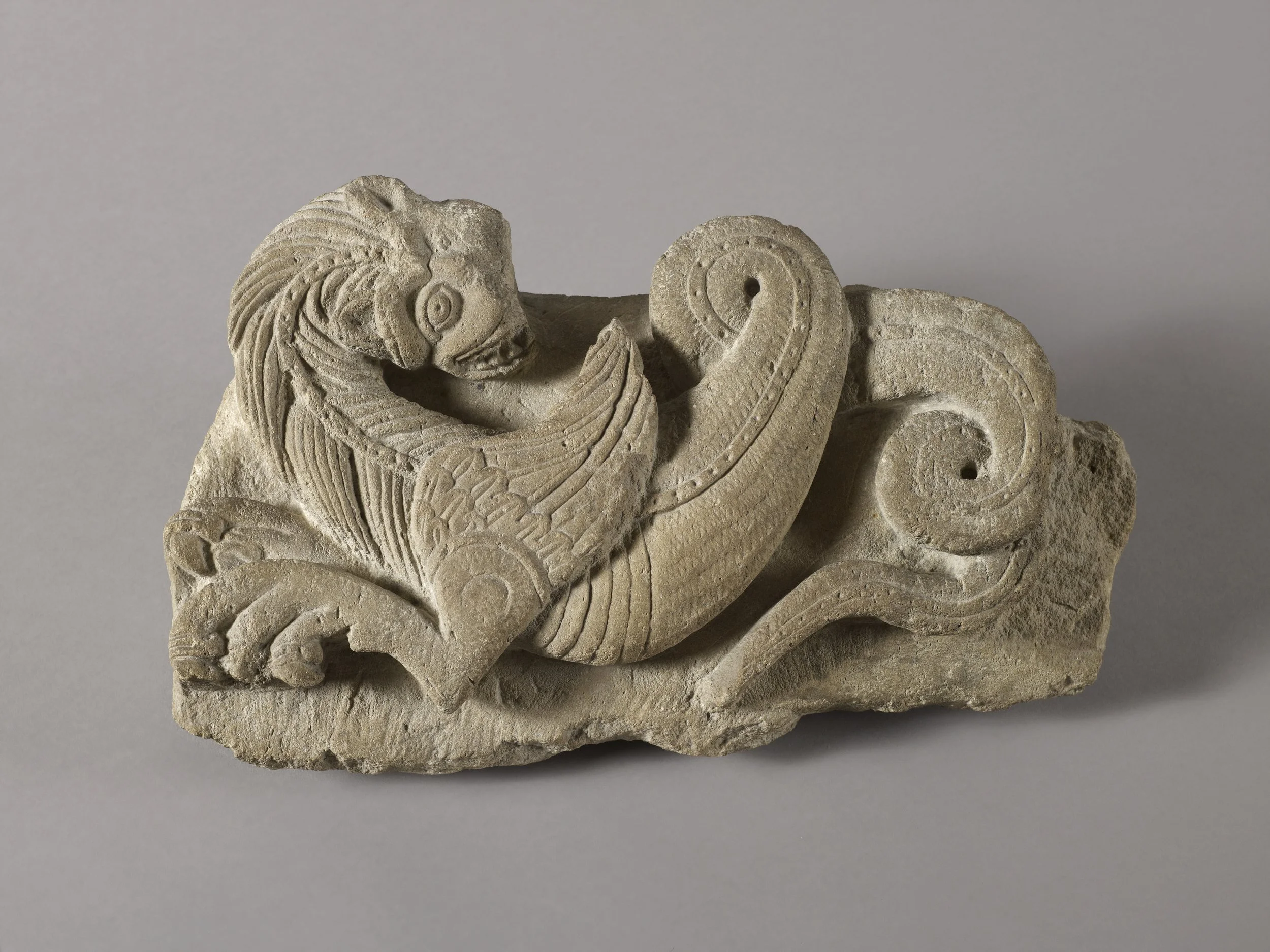
Winged chimera looking to the right
1100-1150
Sainte-Geneviève Abbey, France
Limestone
Musée du Louvre, Department of Sculptures of the Middle Ages, RF 529 B
Fragments of architectural decor from the choir of the former abbey church of the canons regular of Sainte-Geneviève in Paris. Could have belonged to the decor of the keystone of the roundabout. Abbey which became national property during the Revolution. Church destroyed in 1807. Fragments collected by Alexandre Lenoir in May 1808. Museum of French Monuments. Saint-Denis after 1816. Stores in Saint-Denis. Payment of the Chantiers de Saint-Denis, 1881 (decree of July 28, 1881)