Korean National Treasures: 2,000 Years of Art at The Art Institute of Chicago


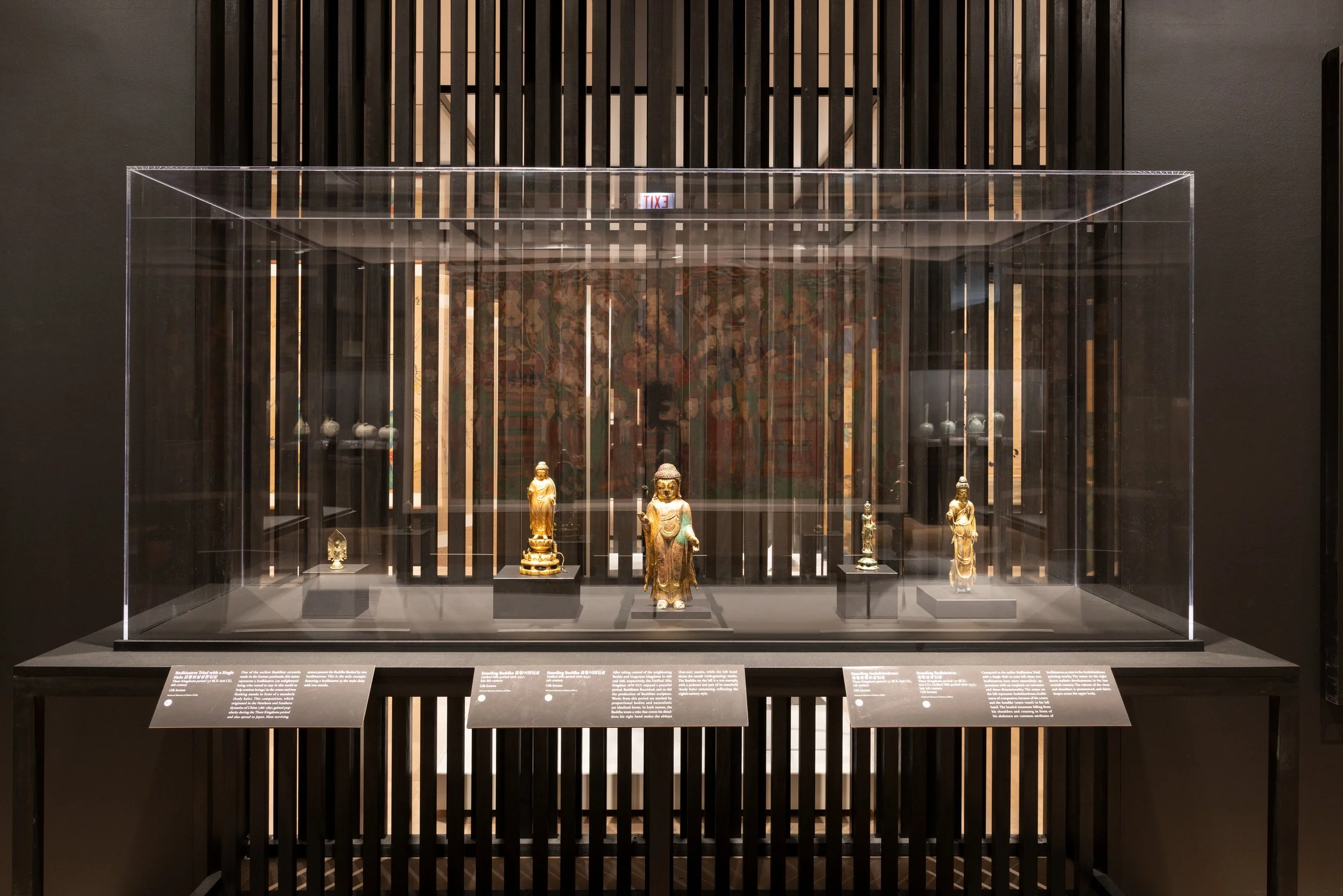
Bodhisattva Triad with a Single Halo 금동보살삼존입상, Three Kingdoms period, 6th century. National Museum of Korea, LKH4.


Korean National Treasures

2,000 Years of Art


March 7, 2026 — July 5, 2026

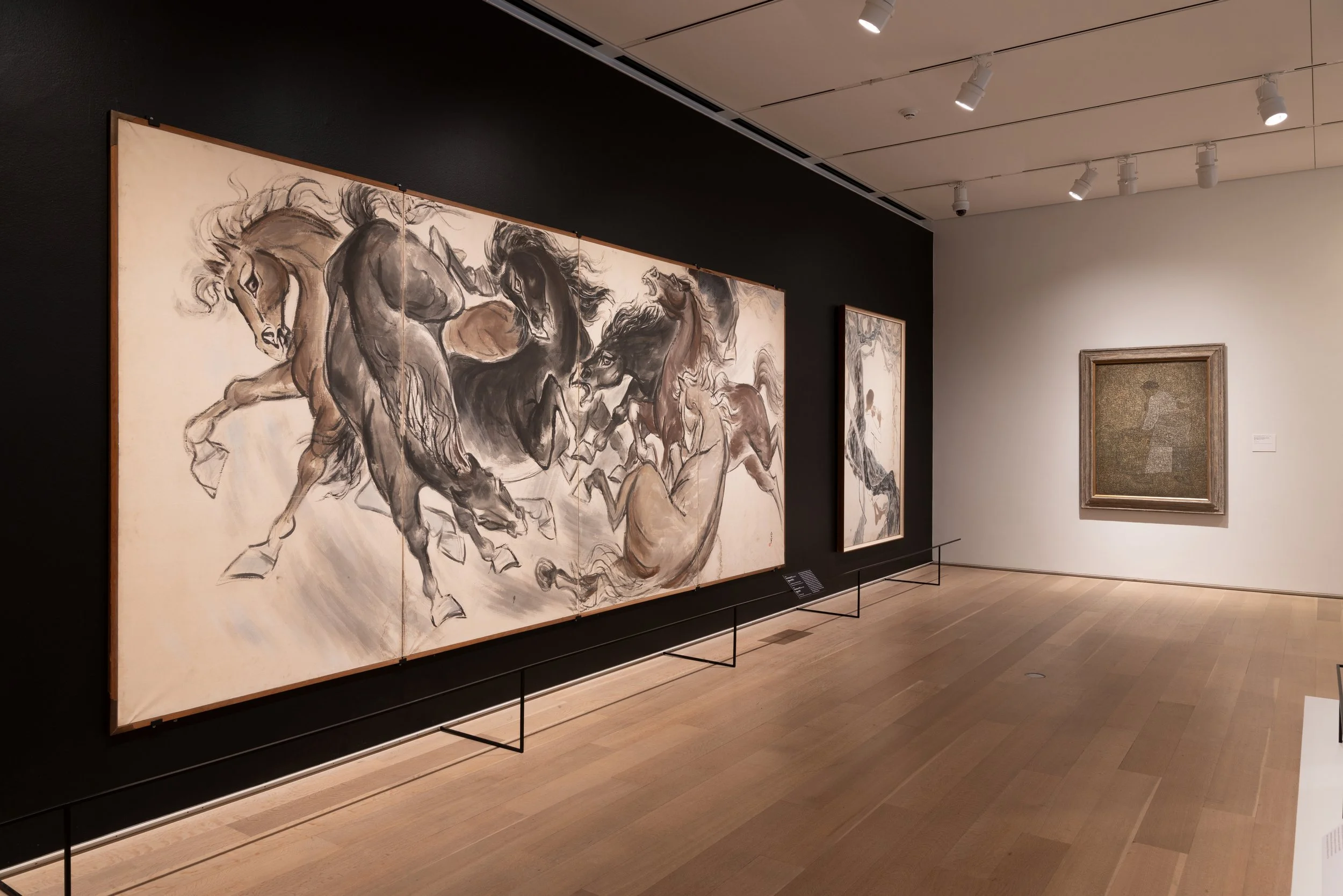
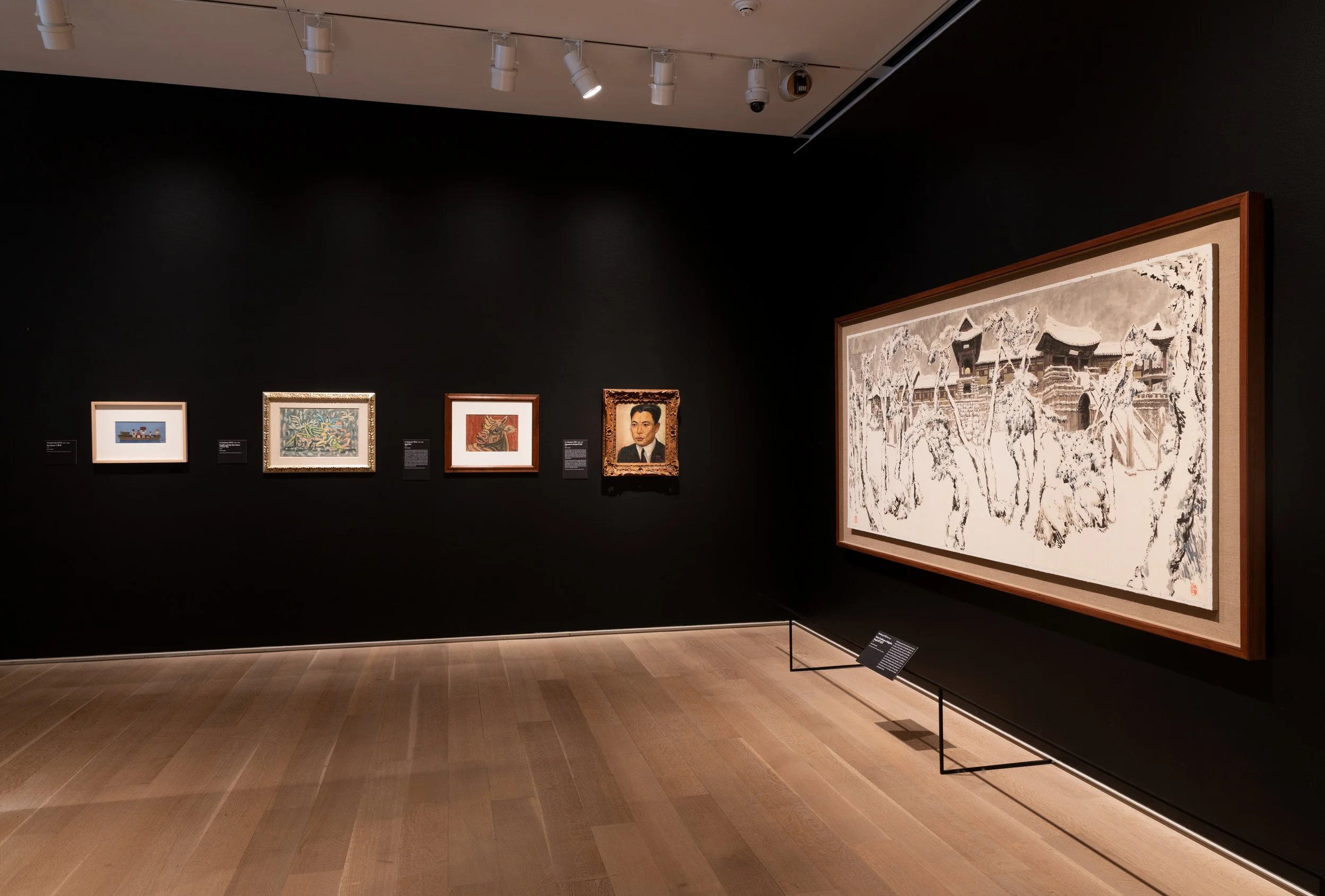
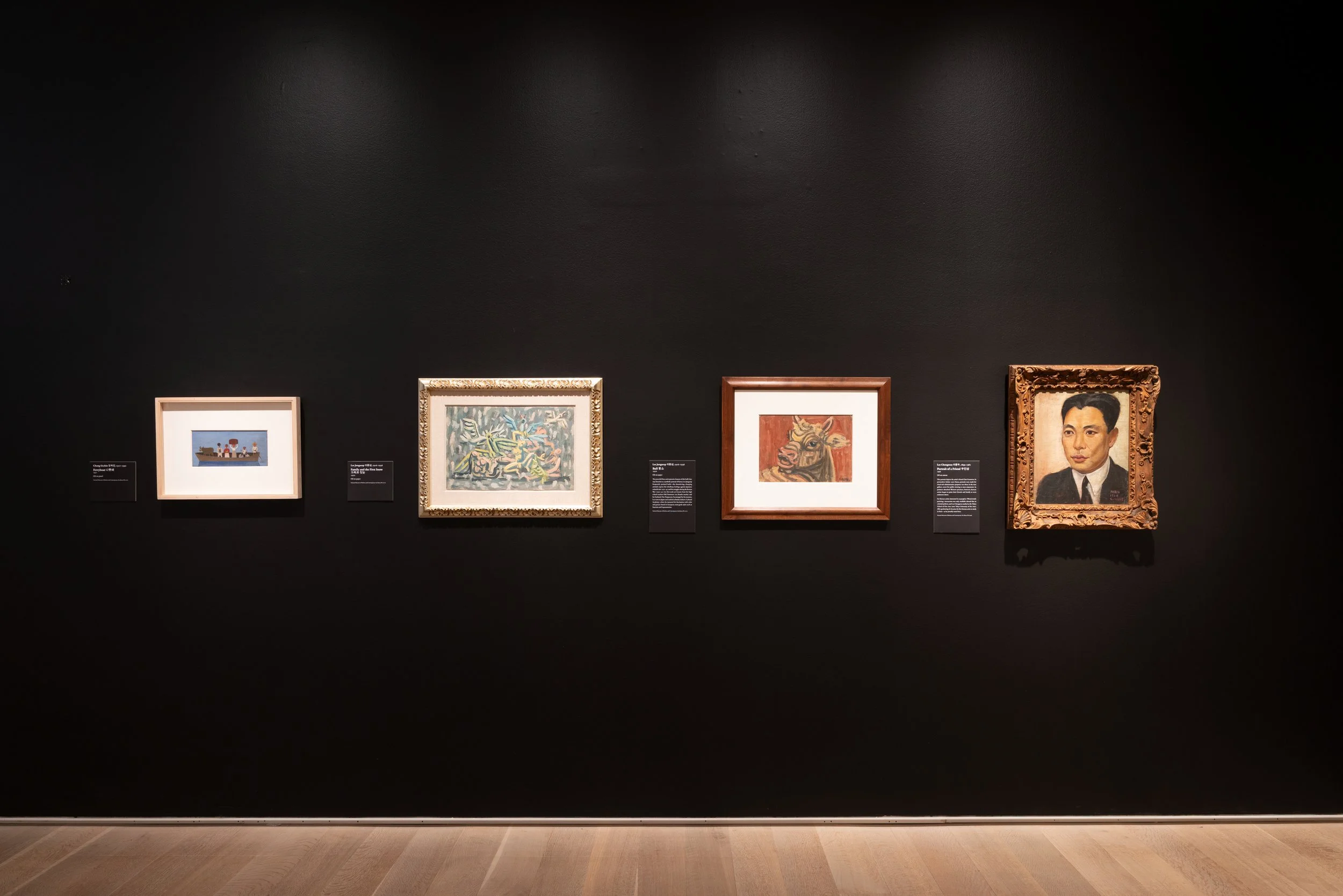
From 6th-century gilt bronze Buddhist sculpture through Joseon dynasty painting and white porcelain and contemporary paintings of the late 20th century, the works of art in this exhibition demonstrate the artistic legacy produced on the Korean peninsula over millennia.

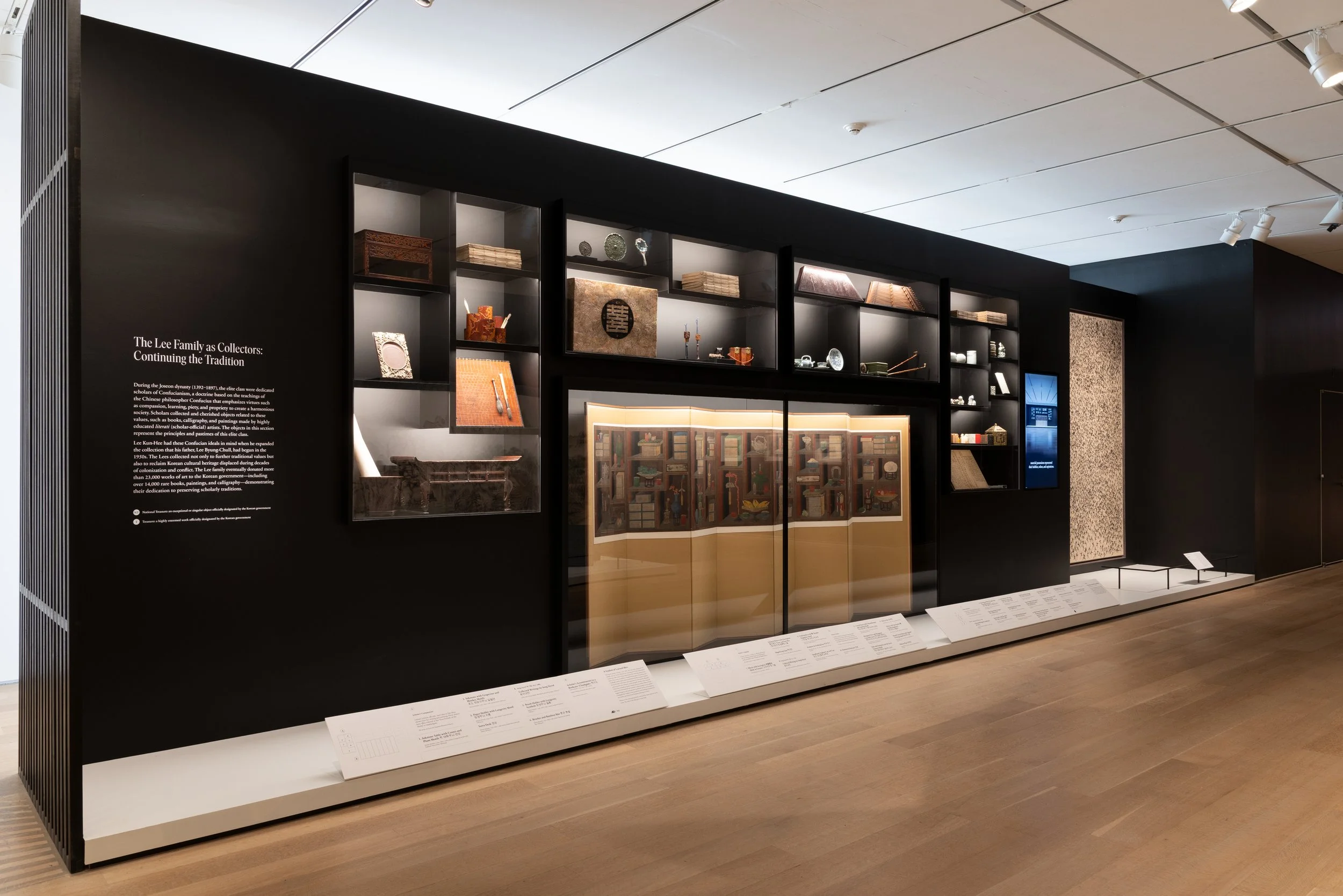
Once privately held, these artworks now belong to the Korean people thanks to a single groundbreaking gift from the family of Lee Kun-Hee, late chairman of Samsung Group. In 2021 the family donated over 23,000 works to the Korean government for public audiences to study and appreciate in perpetuity. Lee Kun-Hee and his father, Lee Byung-Chull, collected exceptional and storied objects from throughout Korean history as a means of preserving and celebrating the nation’s cultural heritage. This exhibition marks the first time the works are on public display. 

Among the 140 artworks on view—including modern and historical painting, ceramics, and objects made for Buddhist worship and scholarly study—22 are officially recognized as National Treasures or Treasures by the Korean government.


Exhibition Preview
 

Jeong Seon 정선. Clearing After Rain on Mount Inwang 인왕제색도, Joseon dynasty, 1751. National Museum of Korea, LKH1.

Moon Jar 백자 달항아리, Joseon dynasty, 18th century. National Museum of Korea, LKH1601.

Haetae (Mythical Creature)–Shaped Water Dropper 백자 해태모양 연적, Joseon dynasty, 19th century. National Museum of Korea, LKH2349.

Bottle with Fish Motif 분청사기 철화 물고기무늬 병, Joseon dynasty, late 15th–early 16th century. National Museum of Korea, LKH932.

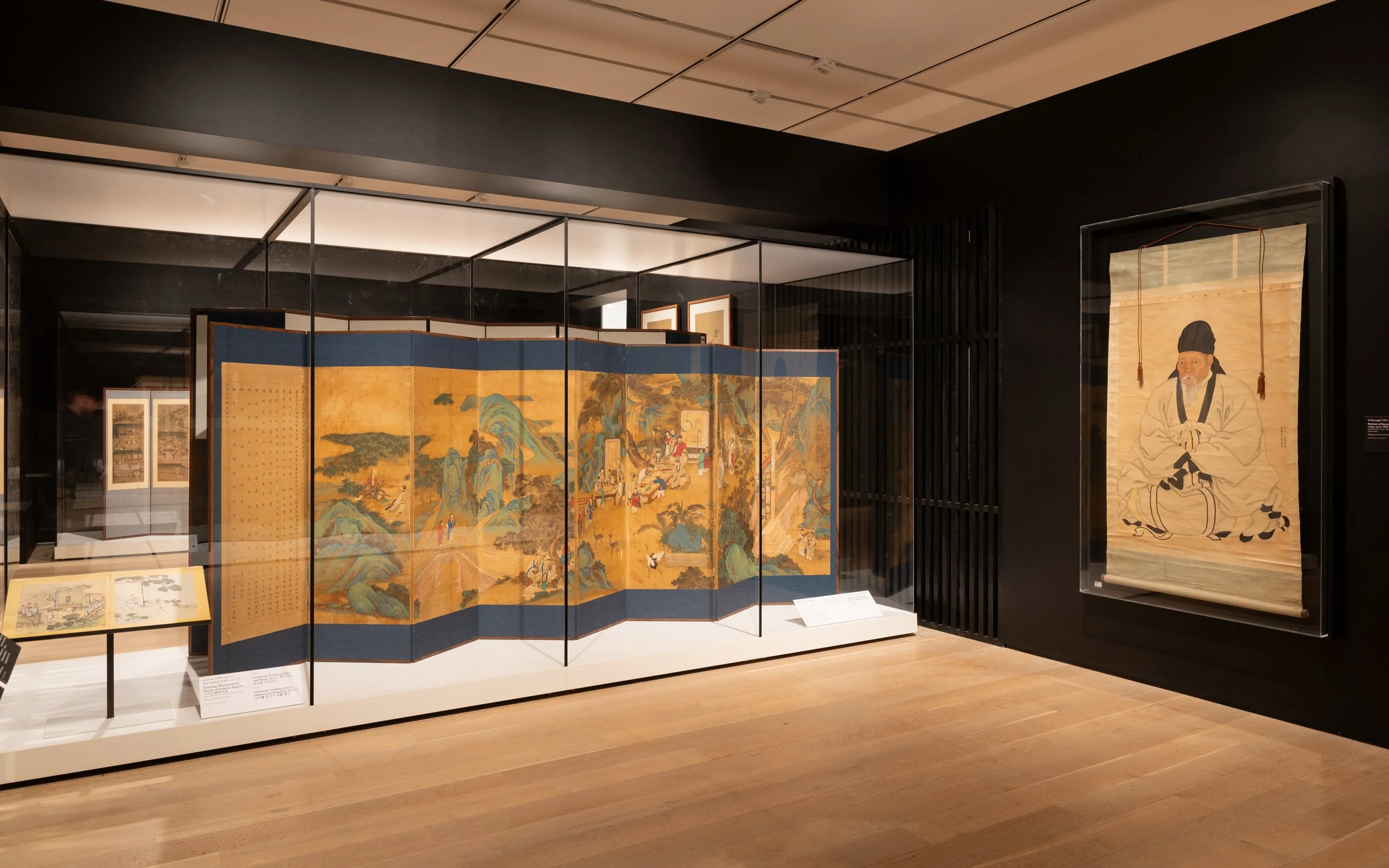
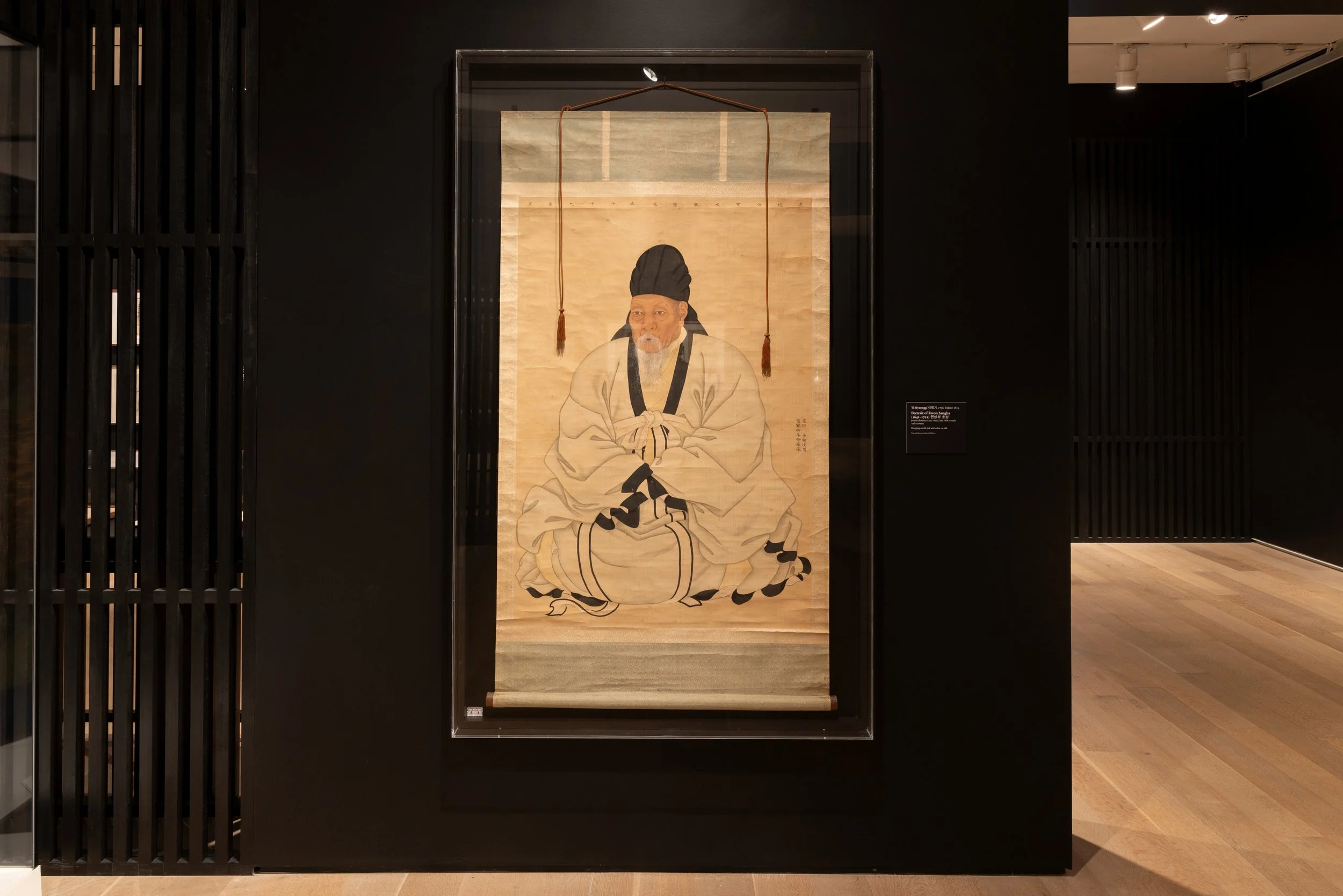
Yi Myunggii 이명기. Detail of Portrait of Kwon Sangha 권상하 초상, Joseon dynasty, late 18th–early 19th century. National Museum of Korea, LKH3590.

Bodhisattva Triad with a Single Halo 금동보살삼존입상, Three Kingdoms period, 6th century. National Museum of Korea, LKH4.

Jar with Cloud and Dragon Motifs 백자 청화 구름 용무늬 항아리, Joseon dynasty, 18th century. National Museum of Korea, LKH1546.

Hexagon-Shaped Ewer with Chrysanthemum Motif 백자 청화 국화무늬 육각주자, Joseon dynasty, 19th century. National Museum of Korea, LKH2237.

Toad-Shaped Water Dropper 백자 동채 두꺼비모양 연적, Joseon dynasty, 19th century. National Museum of Korea, LKH2591.

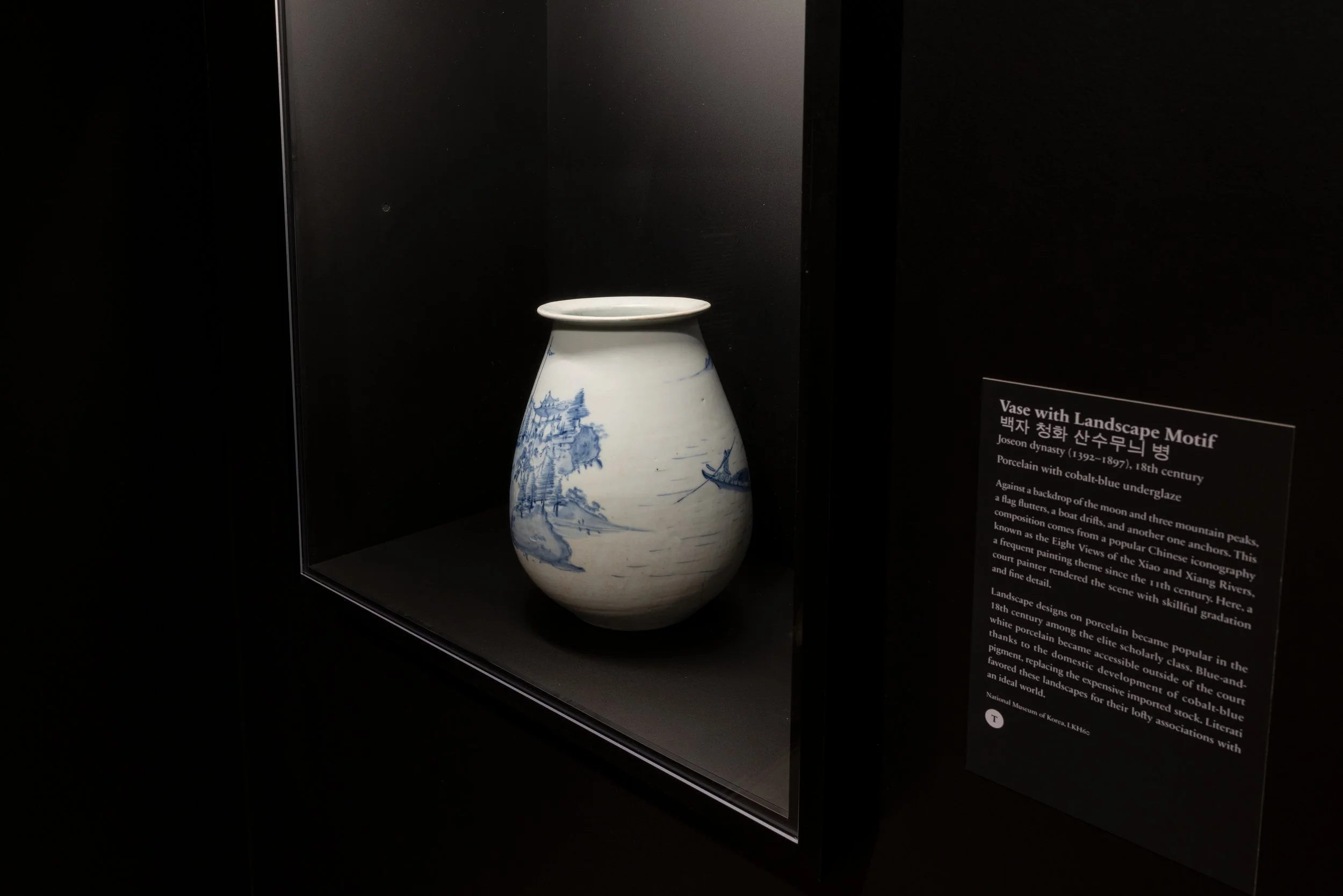
Vase with Landscape Motif 백자 청화 산수무늬 병, Joseon dynasty, 18th century. National Museum of Korea, LKH60.

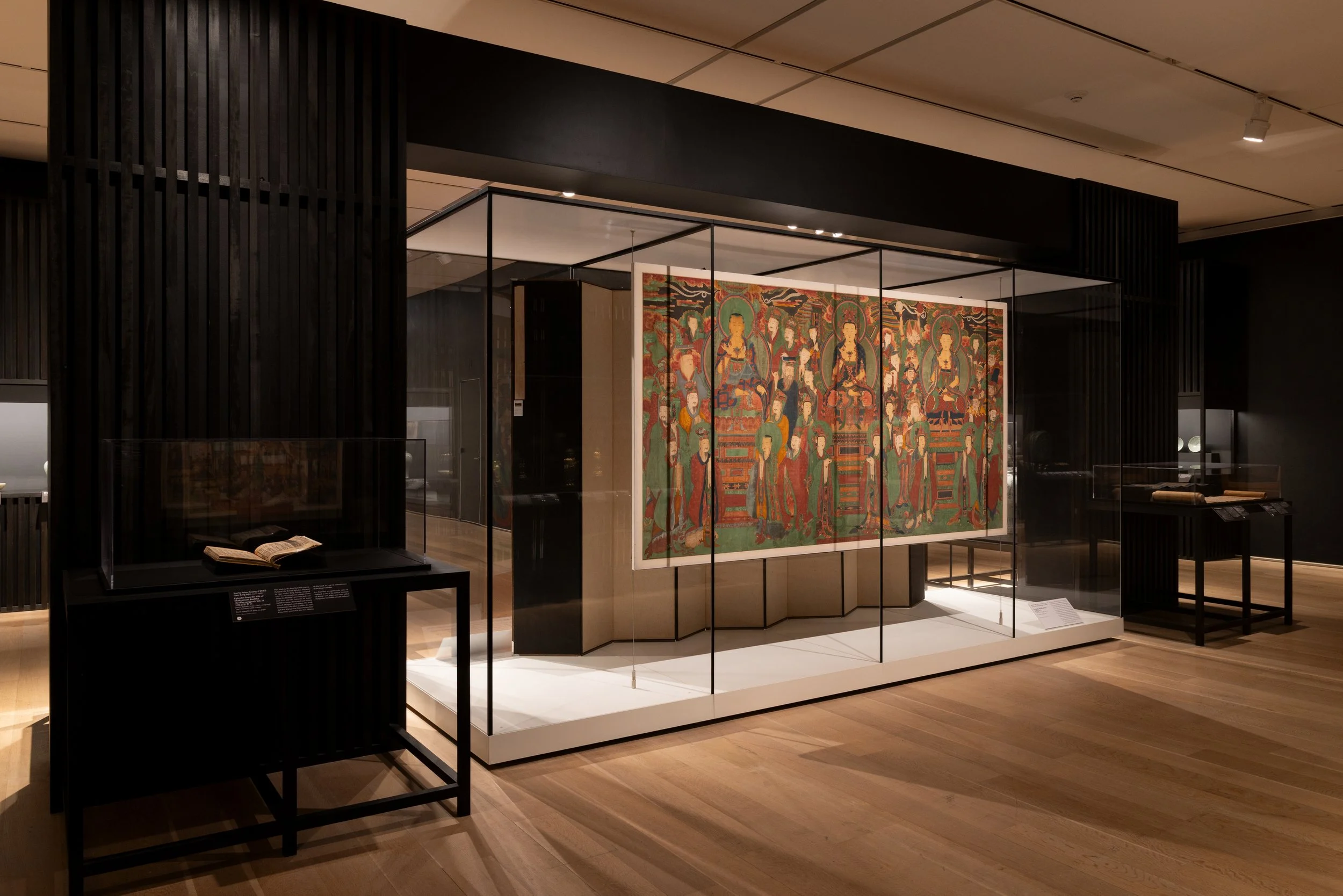
Minhui 민희 and other monk-painters. Tripitaka Bodhisattvas 삼장보살도, Joseon dynasty, 18th century. National Museum of Korea, LKH3965.

Headband, Topknot Cap, and Case 망건, 망건통과 상투관, Joseon dynasty, 19th century. National Museum of Korea, LKH4675.

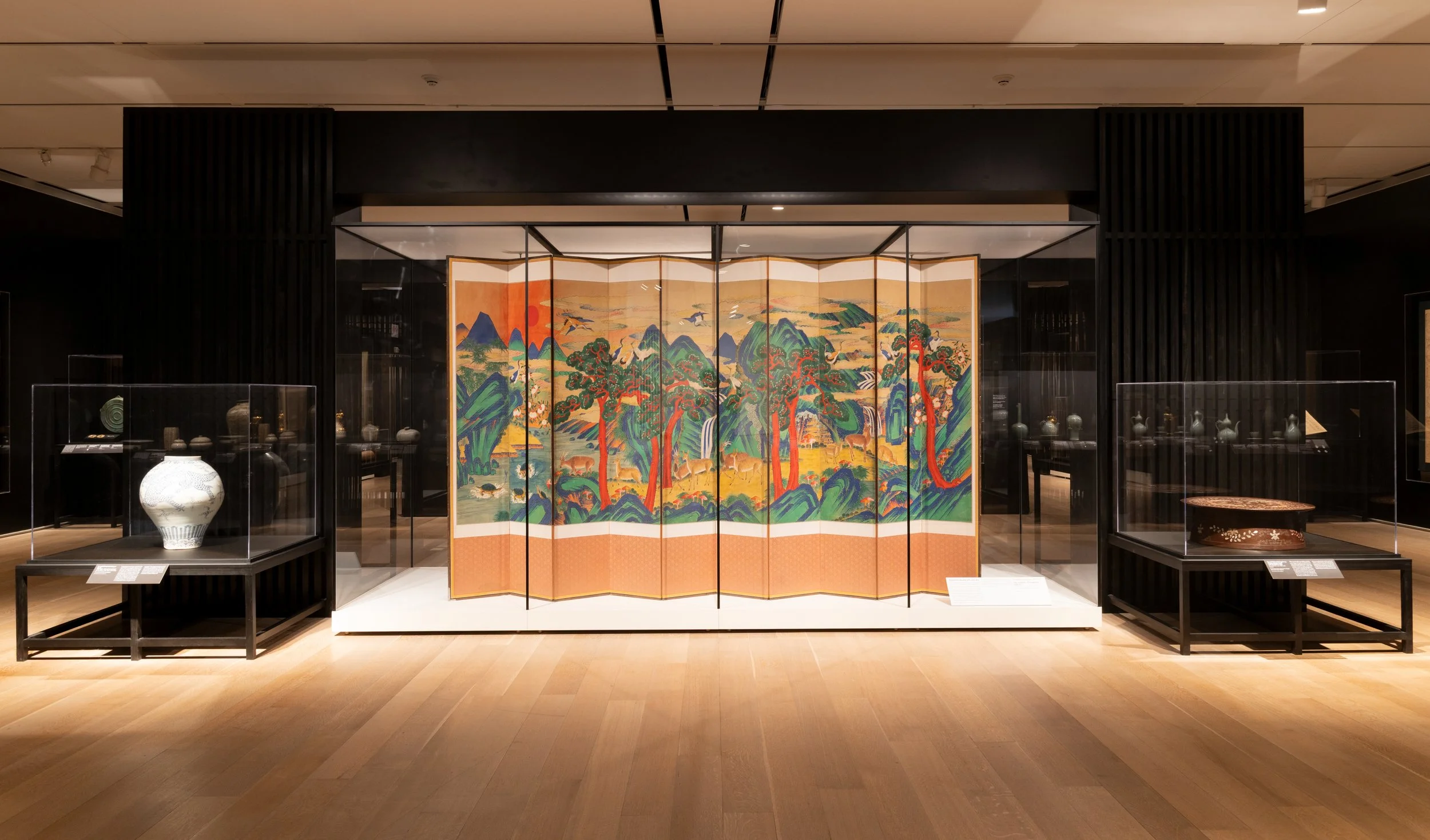
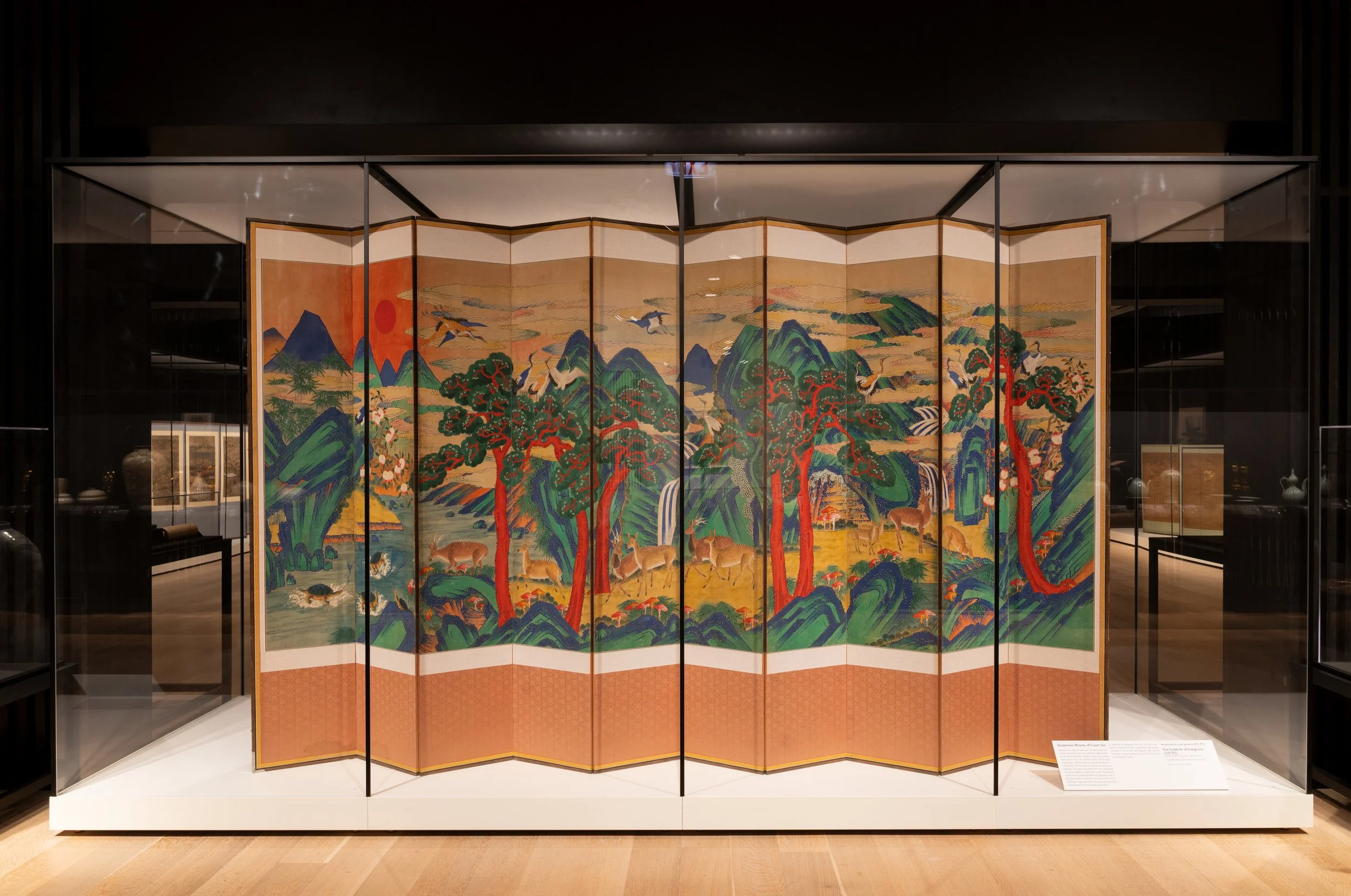
Court painters. Ten Symbols of Longevity 십장생도, Joseon dynasty, 19th century. National Museum of Korea, LKH4053.

Paik Namsoon 백남순. Paradise 낙원, about 1936. National Museum of Modern and Contemporary Art, Korea, PA-09481.

Melon-Shaped Ewer and Basin with Lotus Motif 청자 음각 연꽃무늬 참외모양 주자와 승반, Goryeo dynasty, 12th century. National Museum of Korea, LKH668.

No Soohyeon 노수현. Peach Blossom Spring 무릉도원, 1968. National Museum of Modern and Contemporary Art, Korea, KO-09325.

Hammered Dulcimer 양금, Joseon dynasty, 19th century. National Museum of Korea, LKH4757.

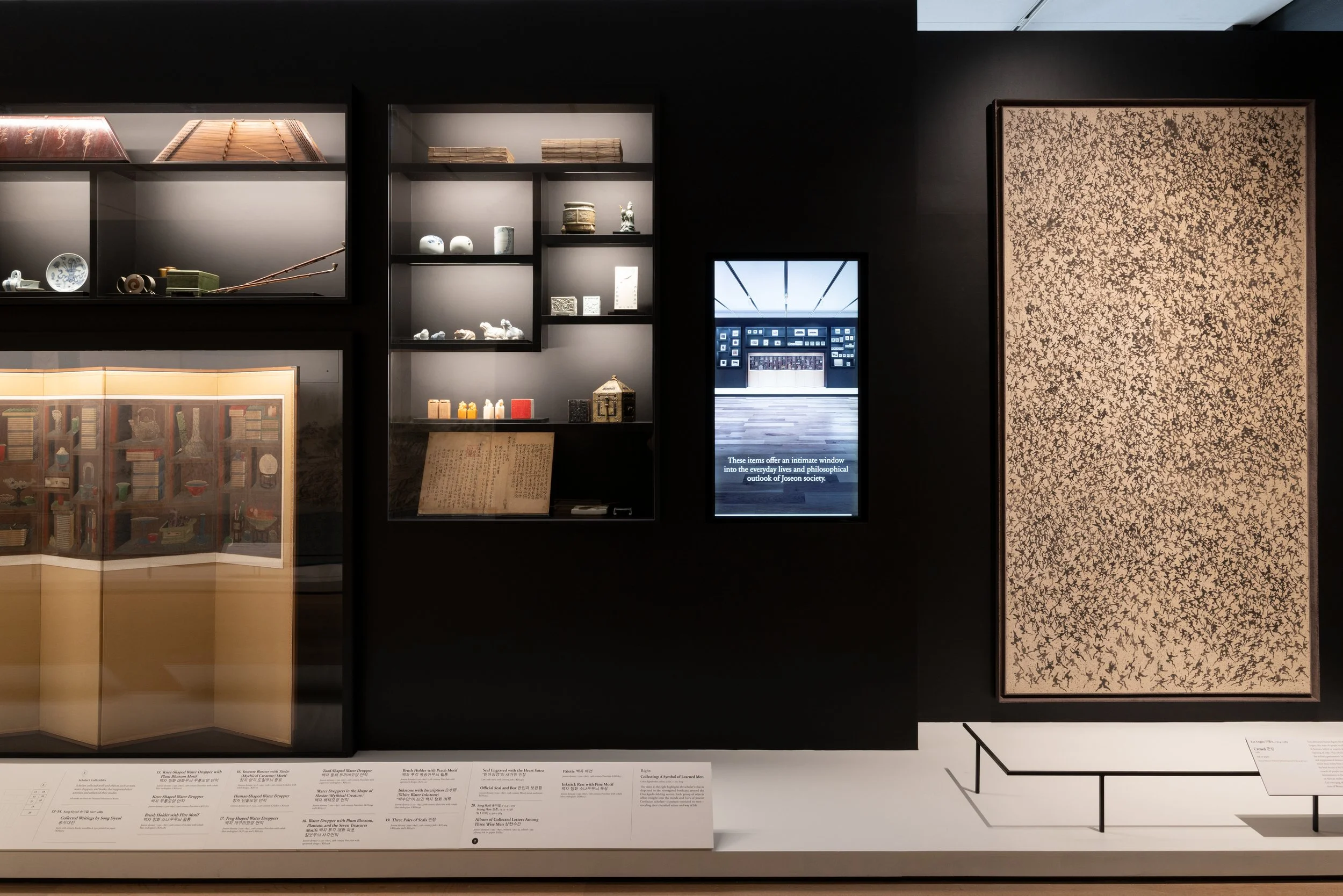
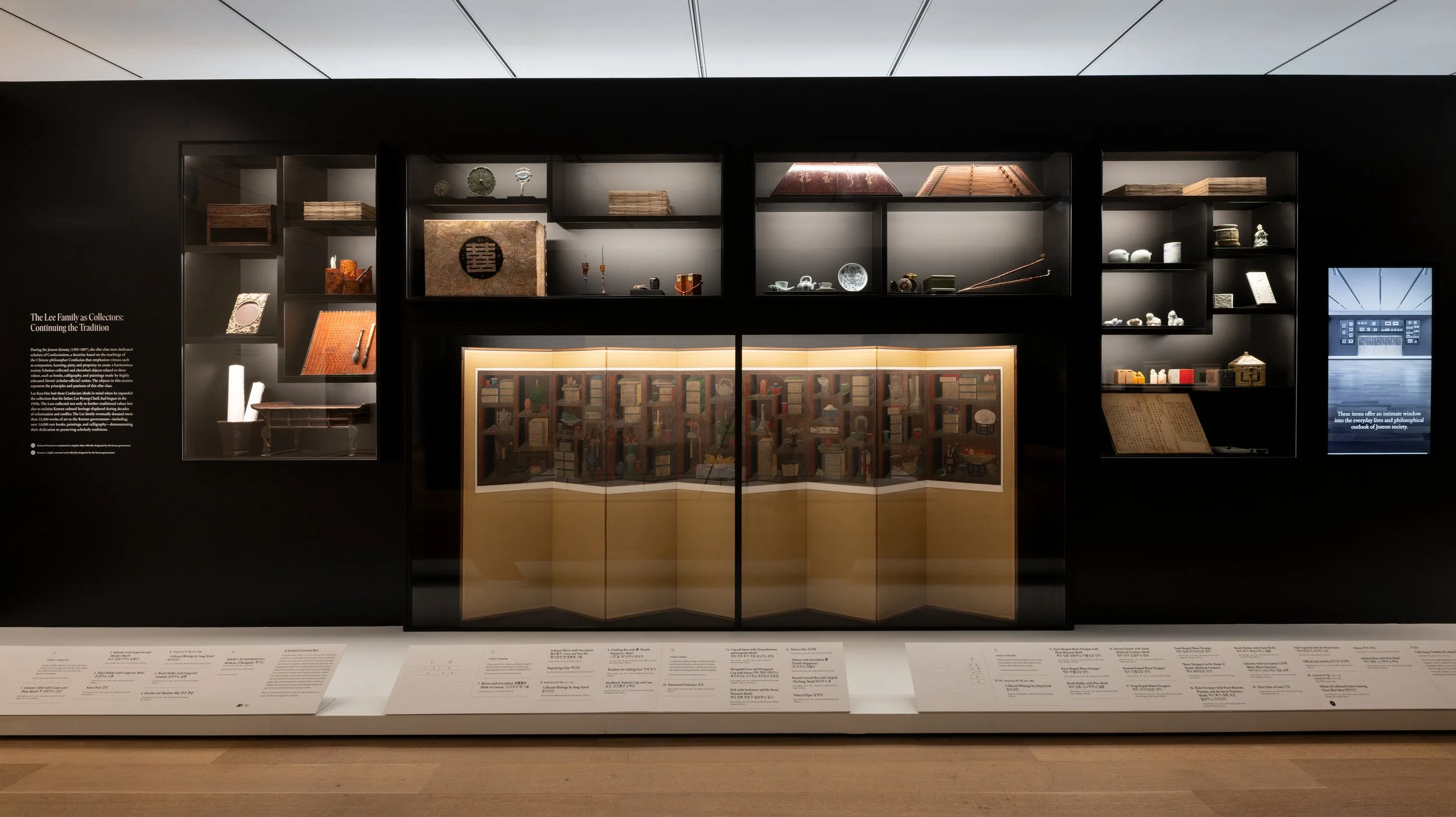
Scholar’s Accoutrements in a Bookcase 책가도, Joseon dynasty, 19th century. National Museum of Korea, LKH405.

Bihyeon 비현 and other monk-painters. The Birth of the Buddha in Lumbini, from Eight Great Events in the Life of Shakyamuni Buddha 팔상도 중 “도솔의래상”, Joseon dynasty, late 18th century. National Museum of Korea, LKH3962.

Bihyeon 비현 and other monk-painters. The Descent from the Tusita Heaven, from Eight Great Events in the Life of Shakyamuni Buddha 팔상도 중 “비람강생상”, Joseon dynasty, late 18th century. National Museum of Korea, LKH3962.

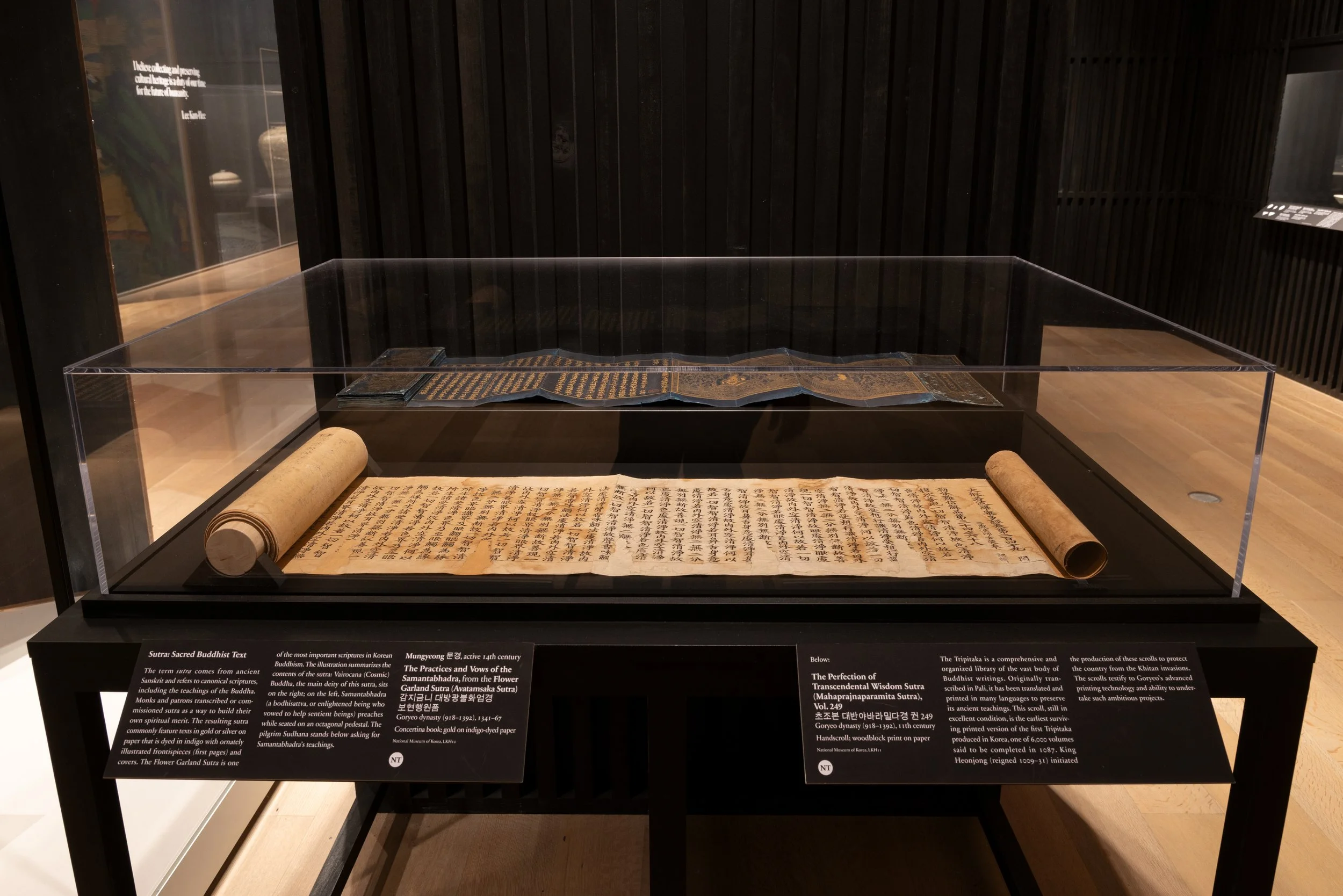
The Practices and Vows of the Samantabhadra from The Flower Garland Sutra (Avatamsaka Sutra) 감지금니 대방광불화엄경 보현행원품, Goryeo dynasty, 1341–67. National Museum of Korea, LKH10.


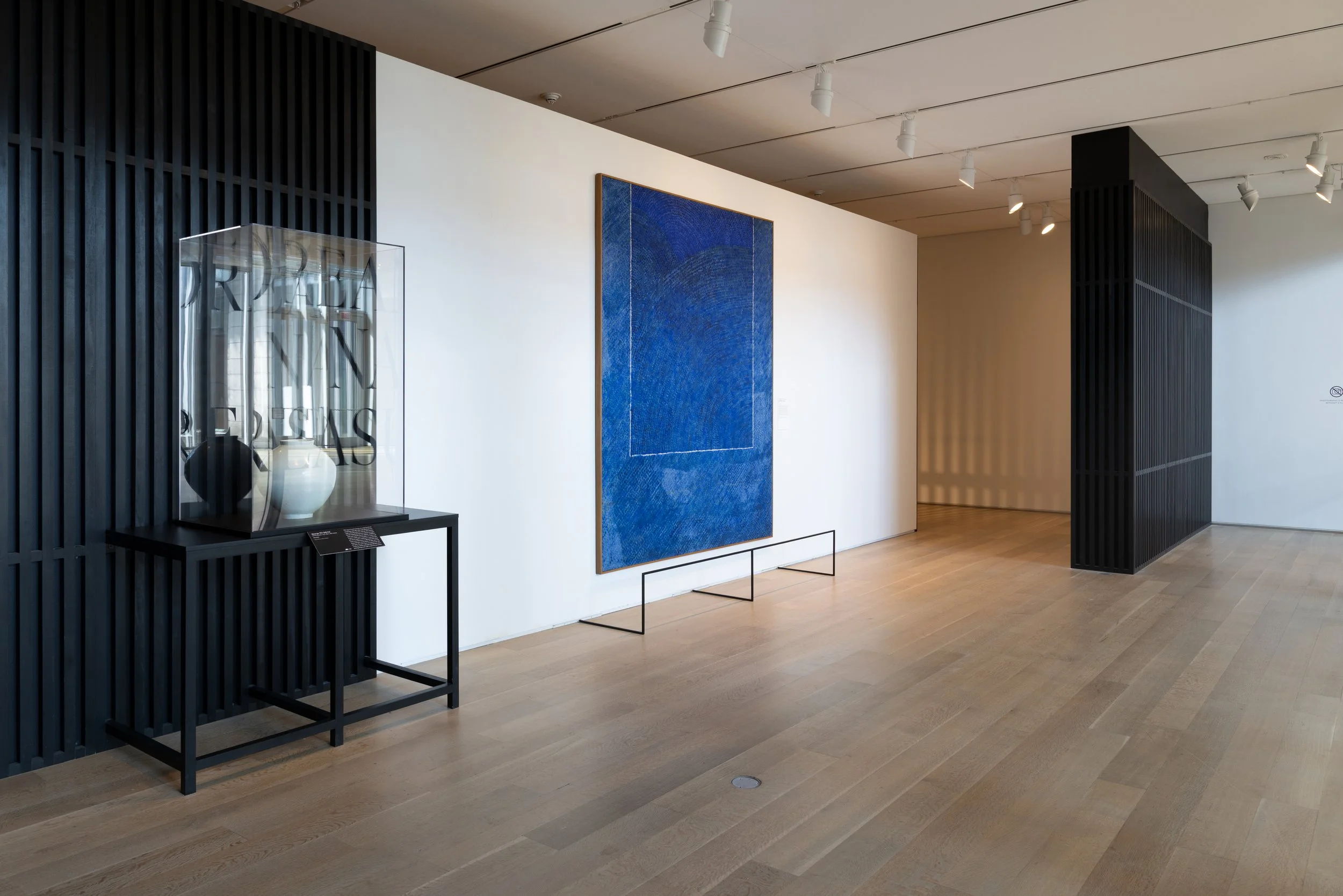
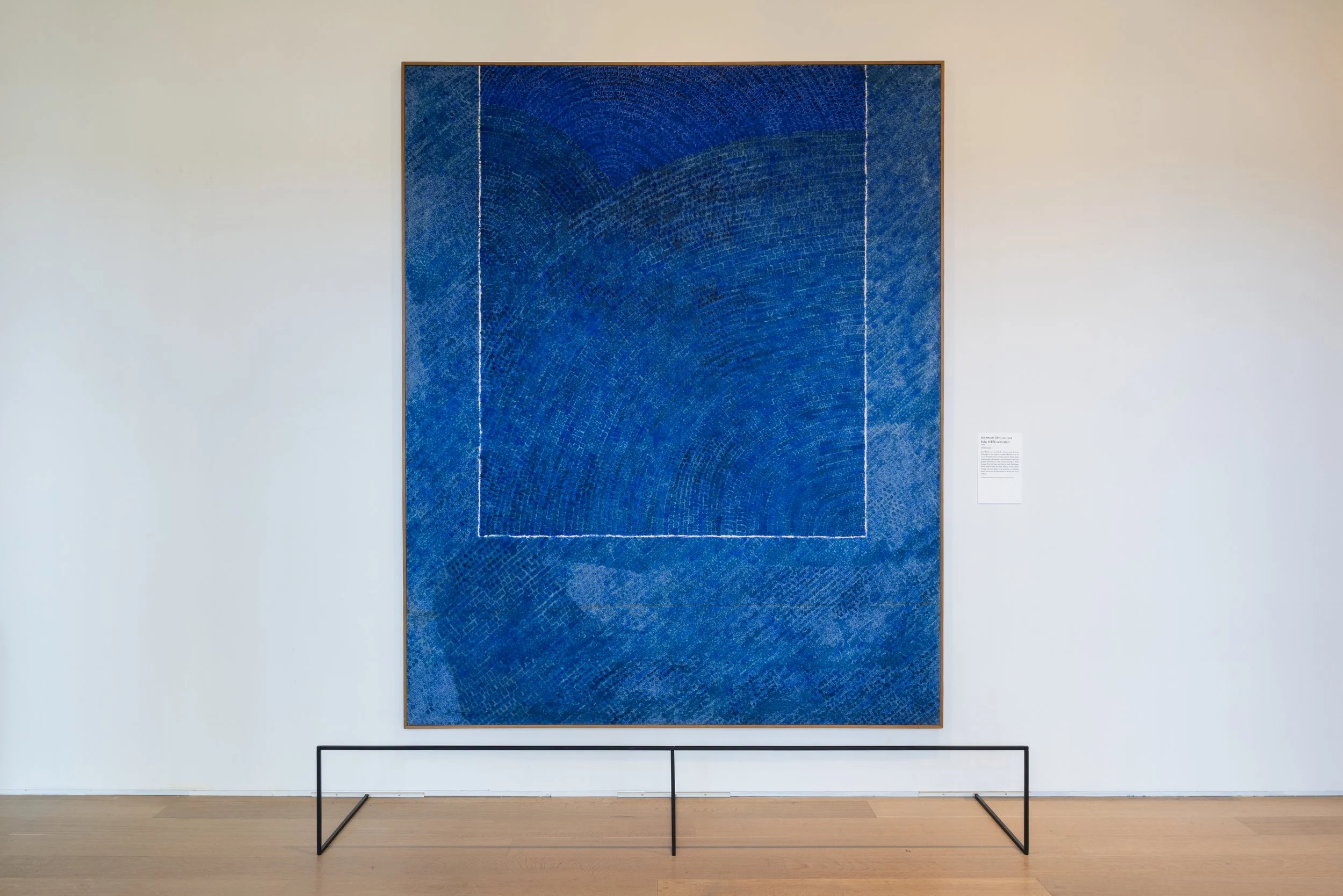
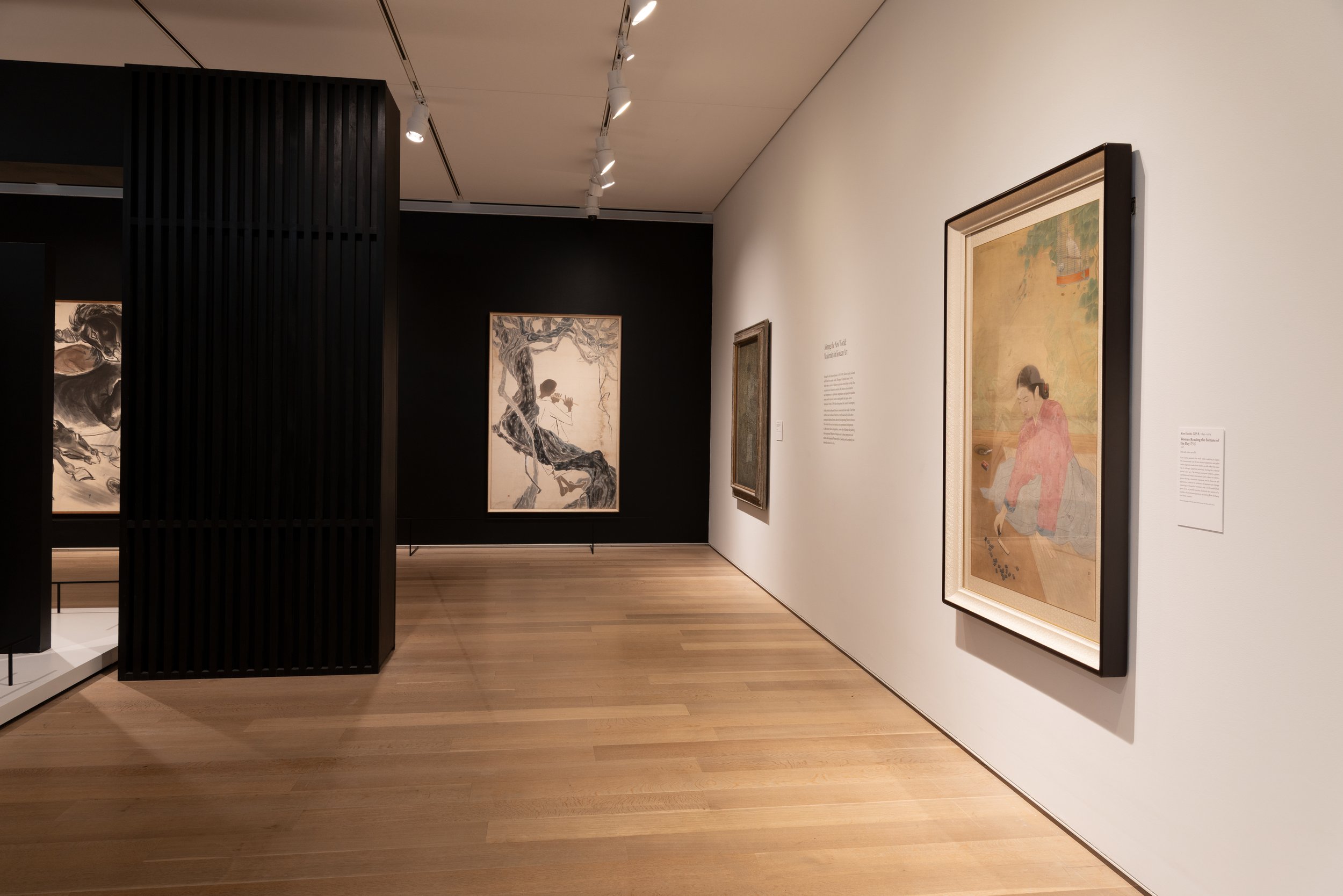
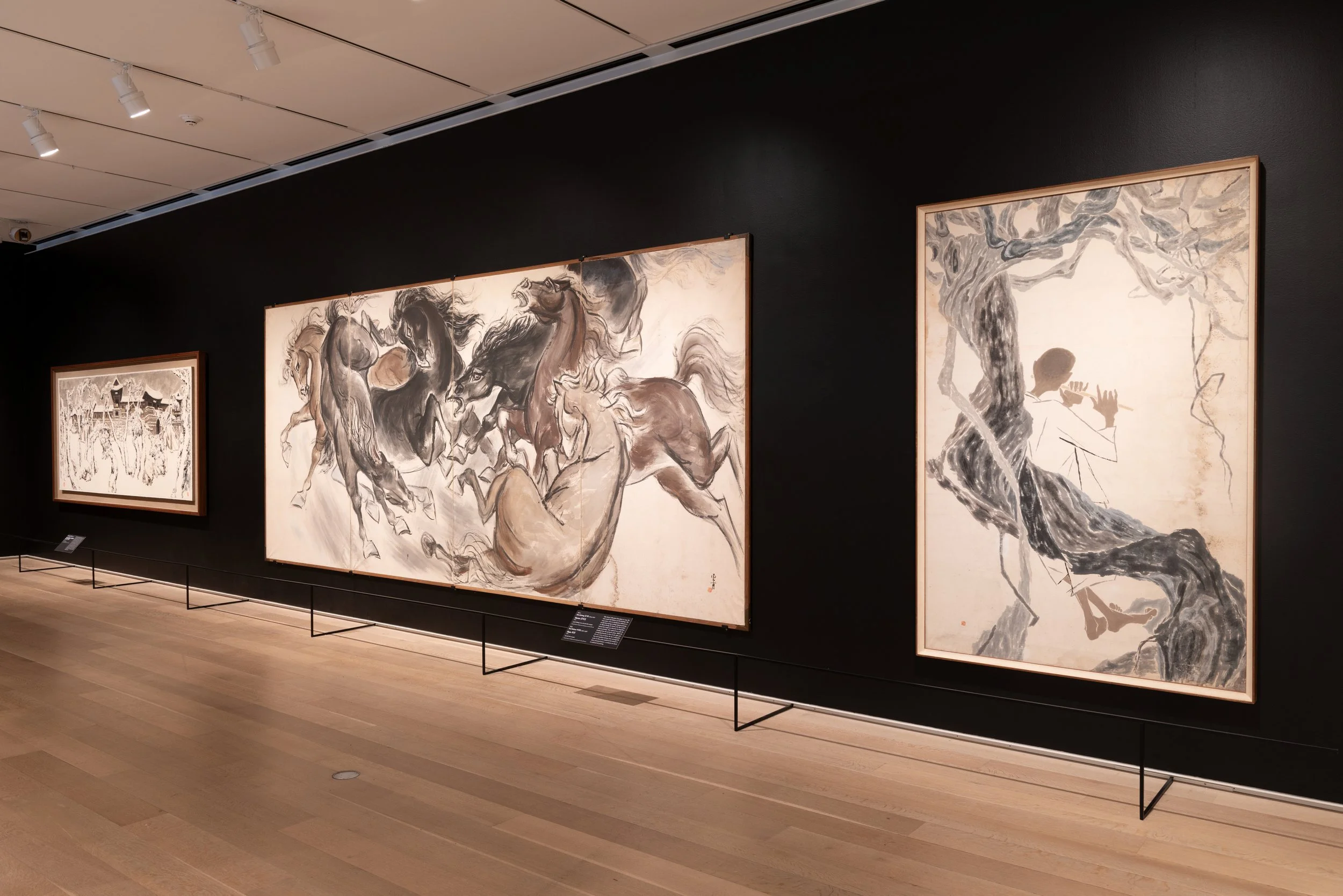
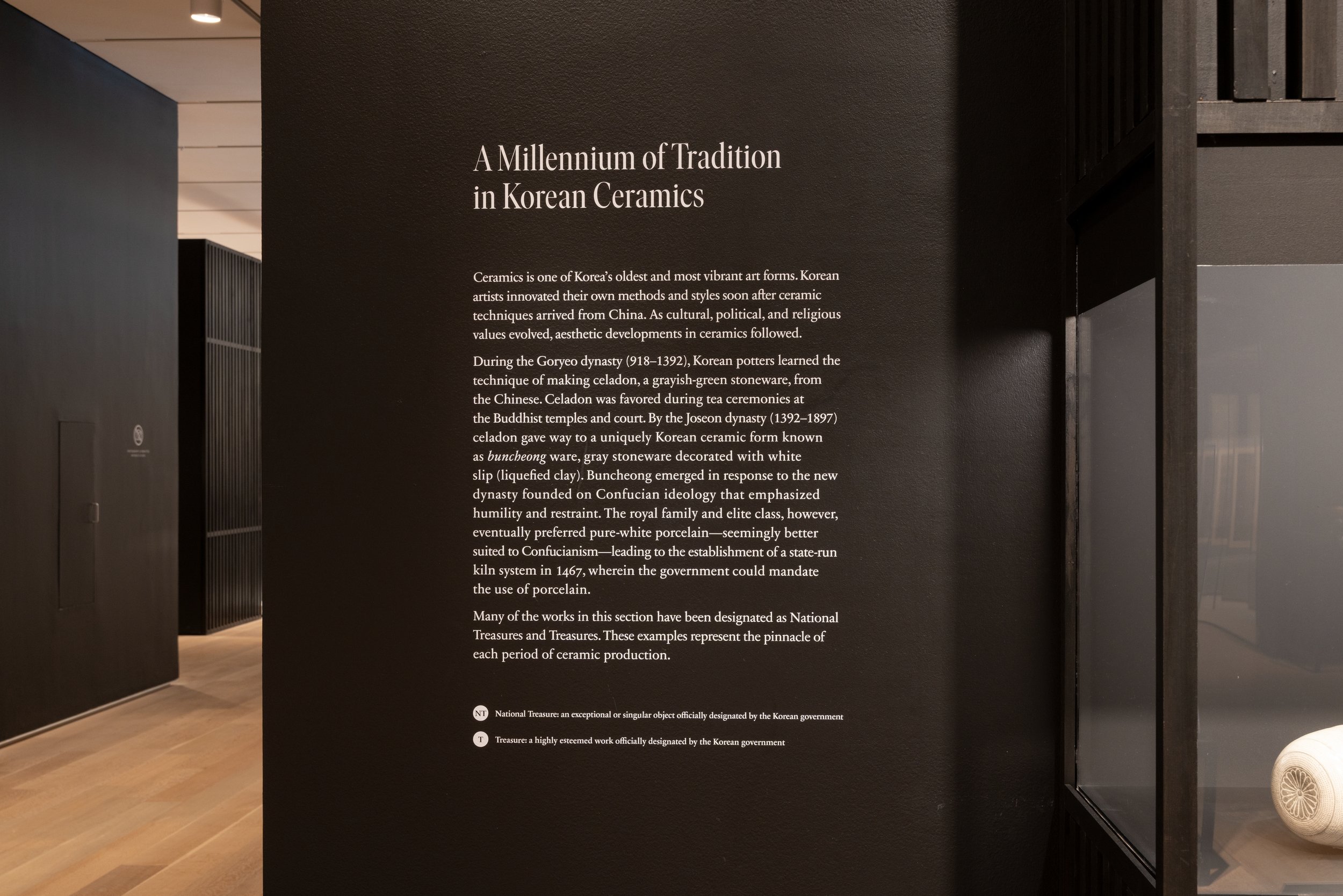
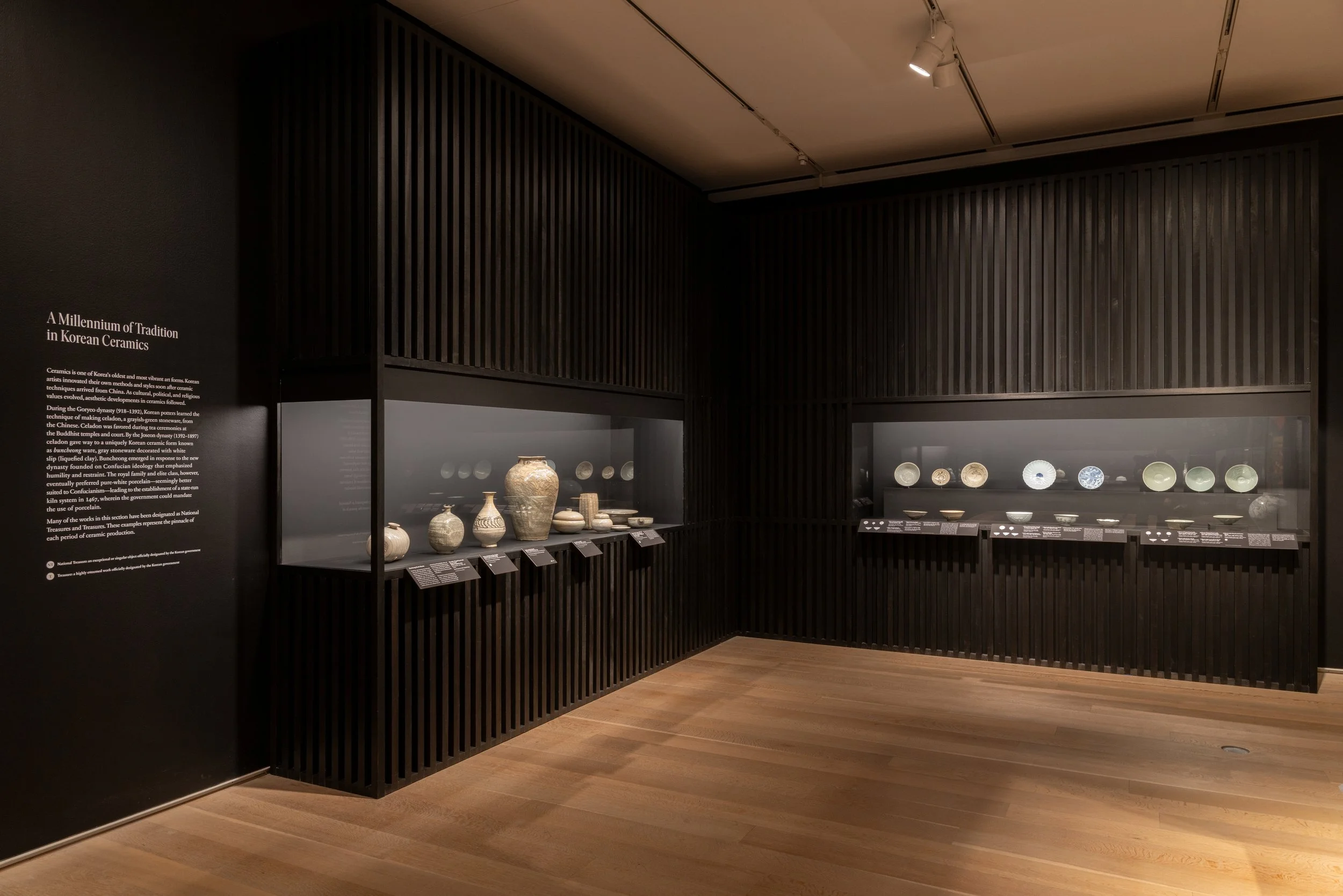
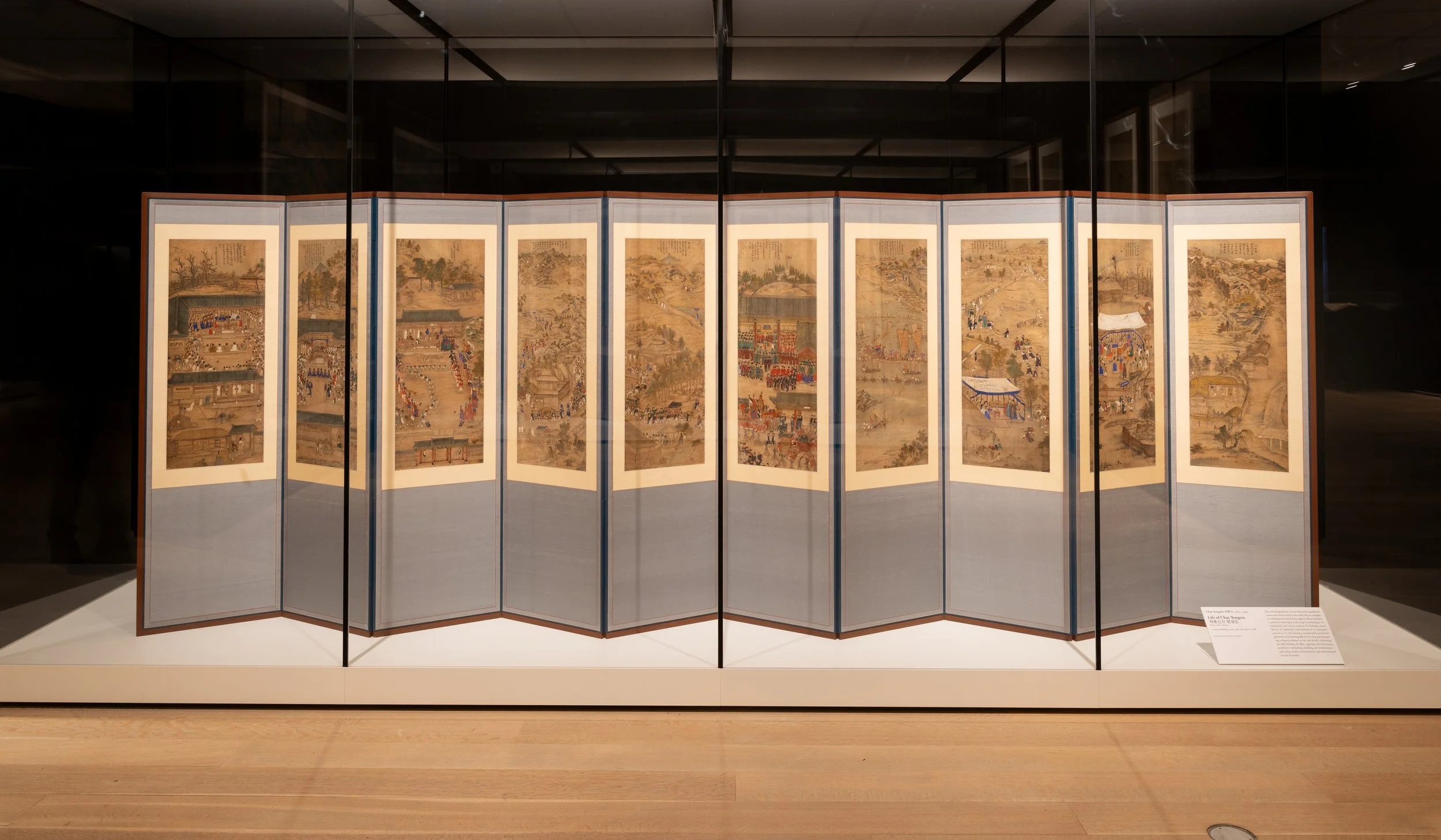
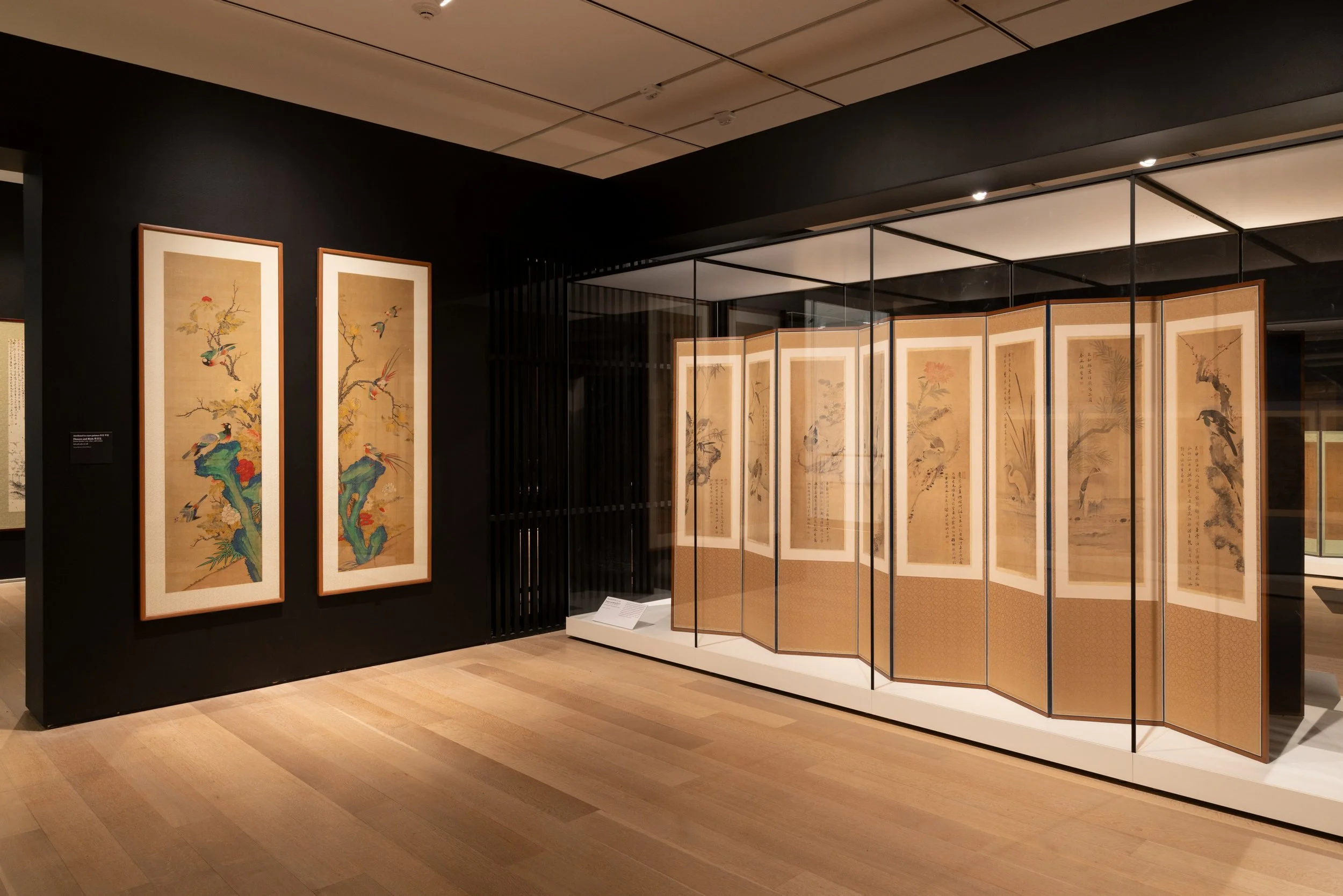
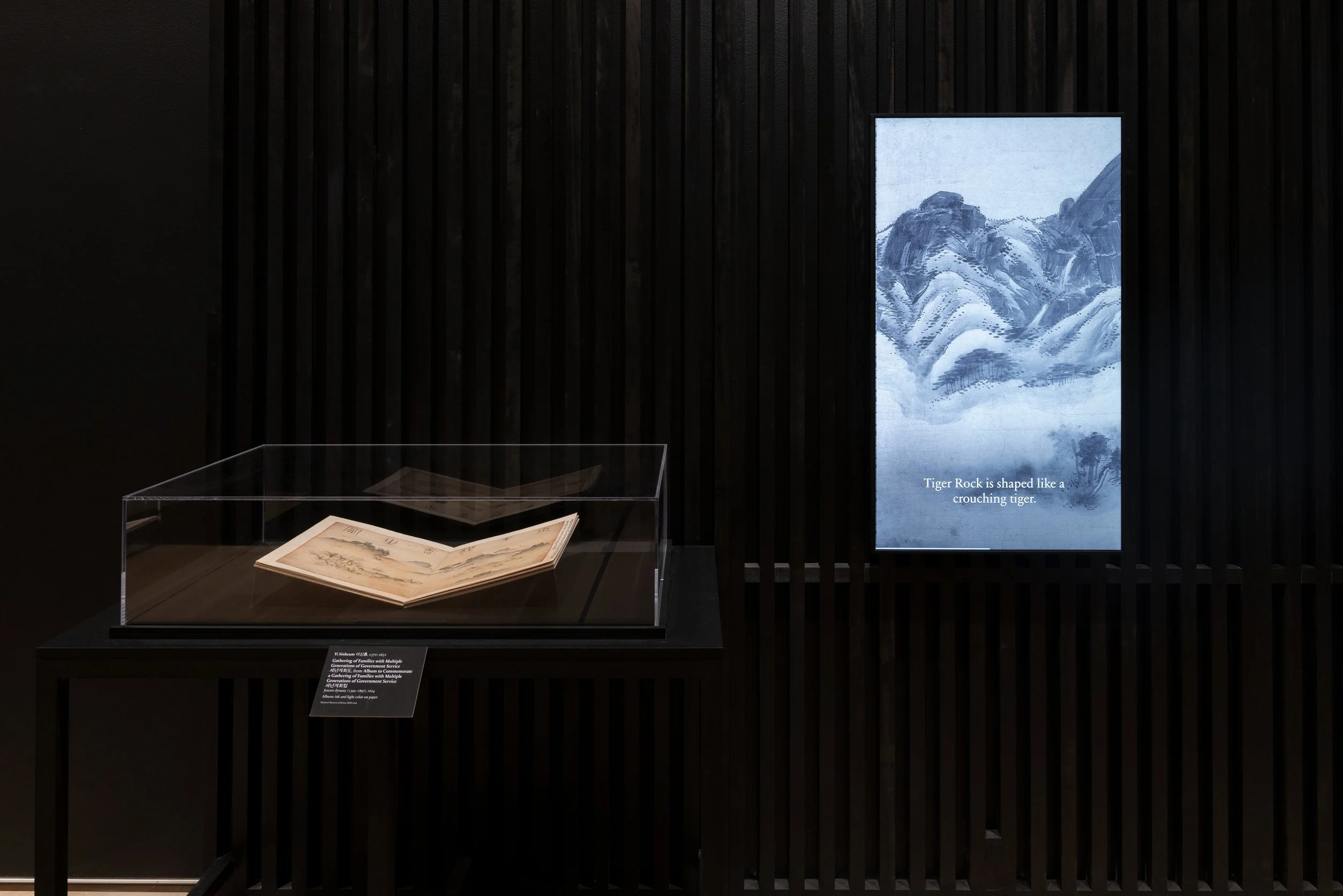
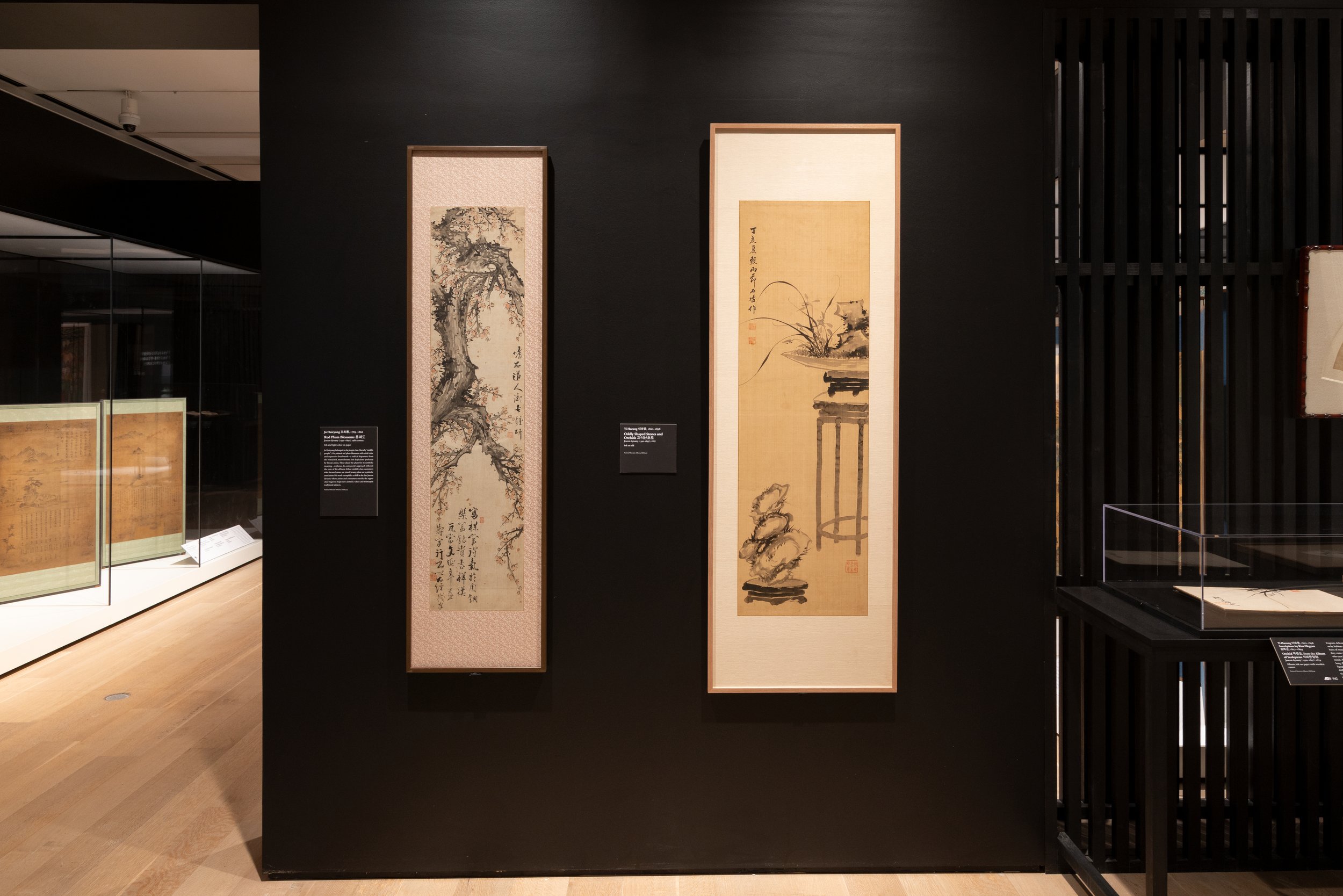
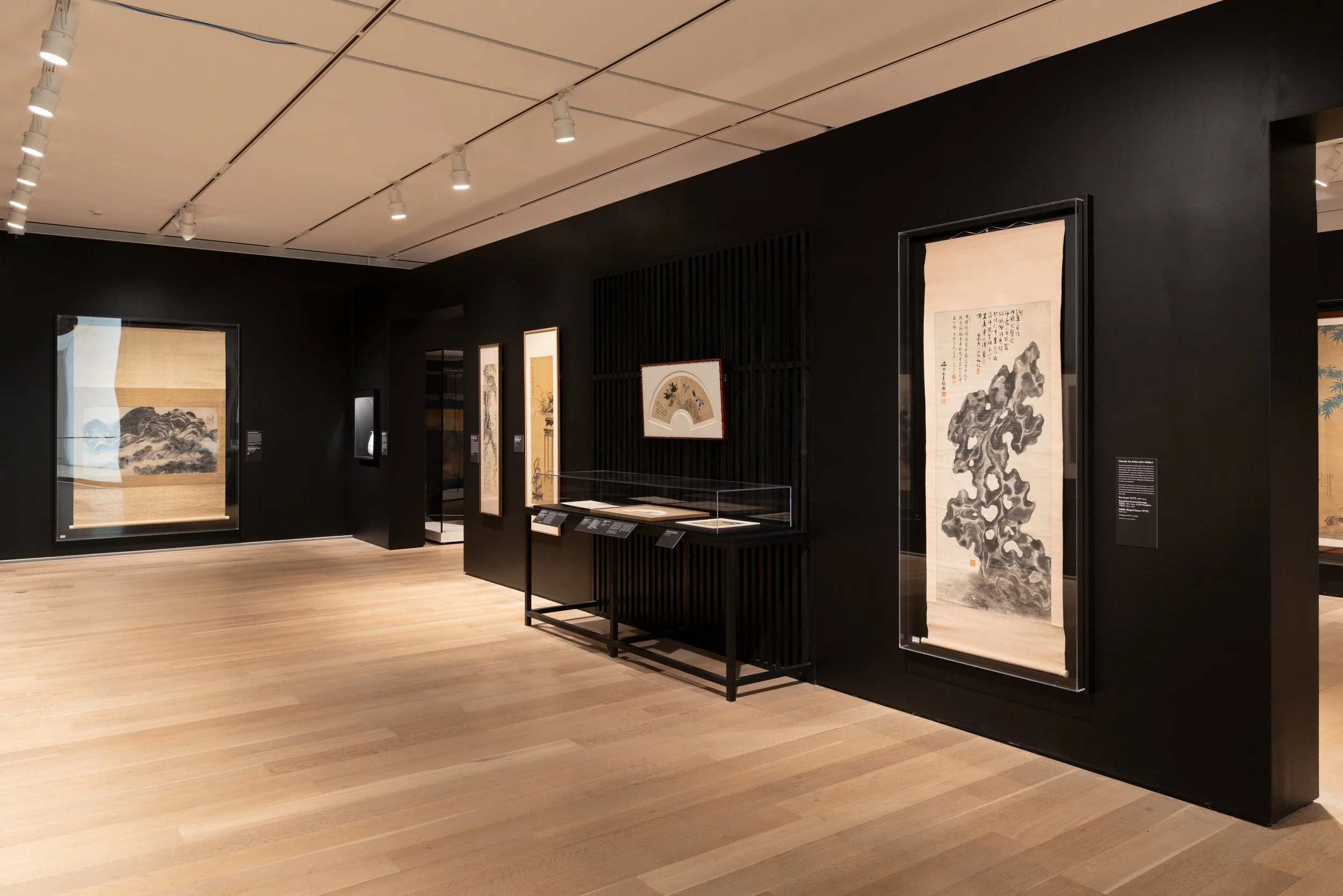
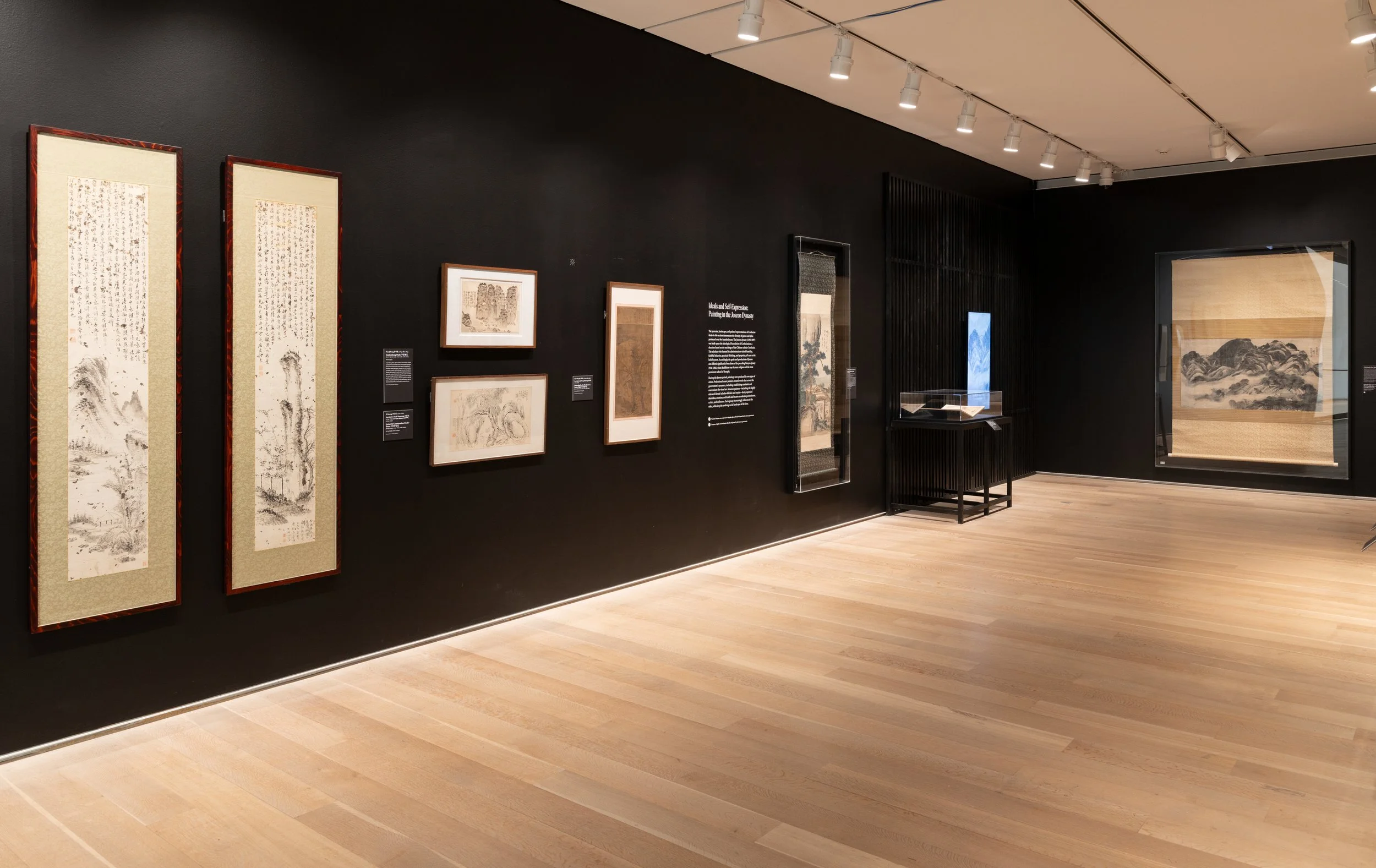
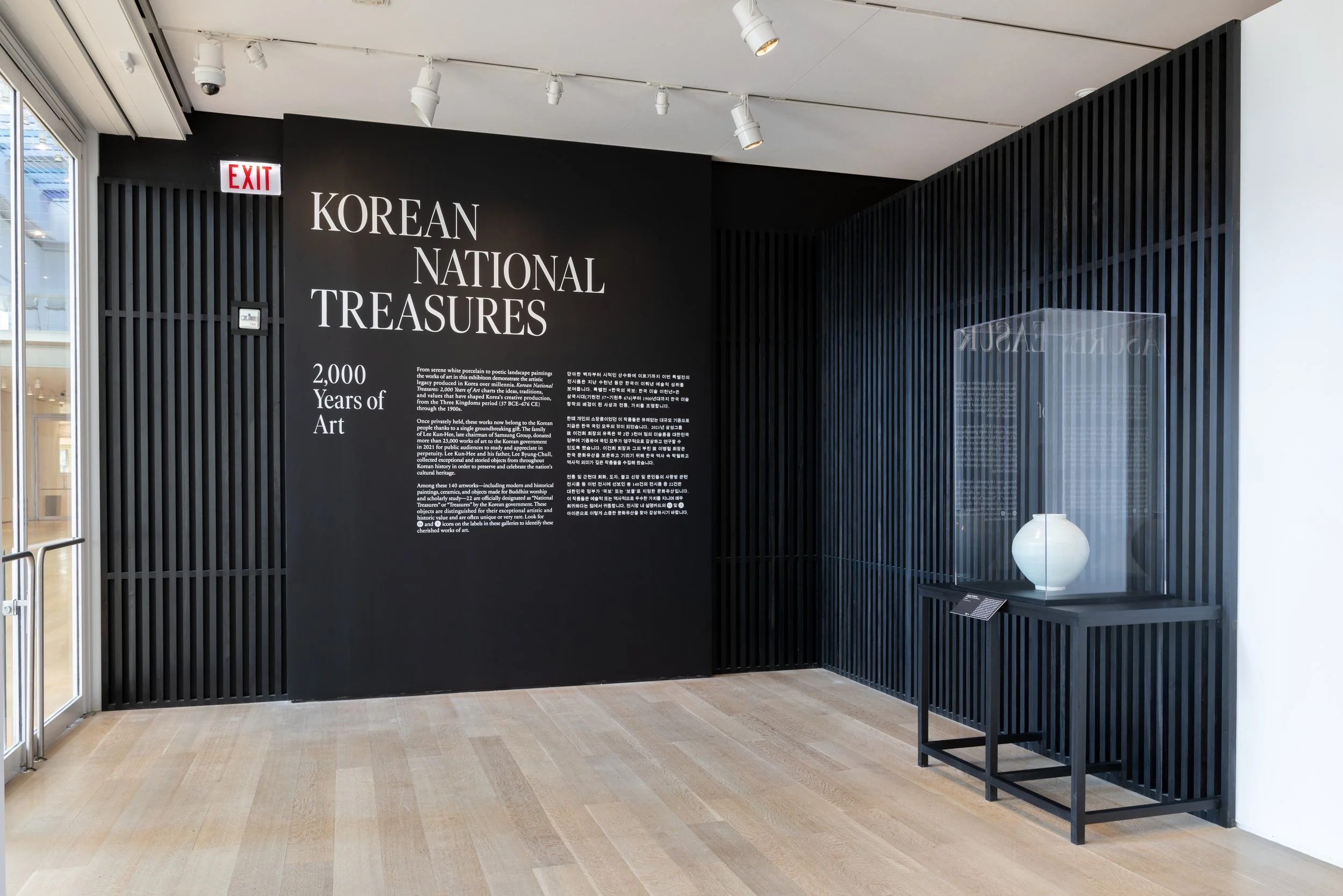
Installation view of Korean National Treasures: 2,000 Years of Art at the Art Institute of Chicago, 2026.