
Amazonian Legacies: Art and Archaeology at Museum Rietberg


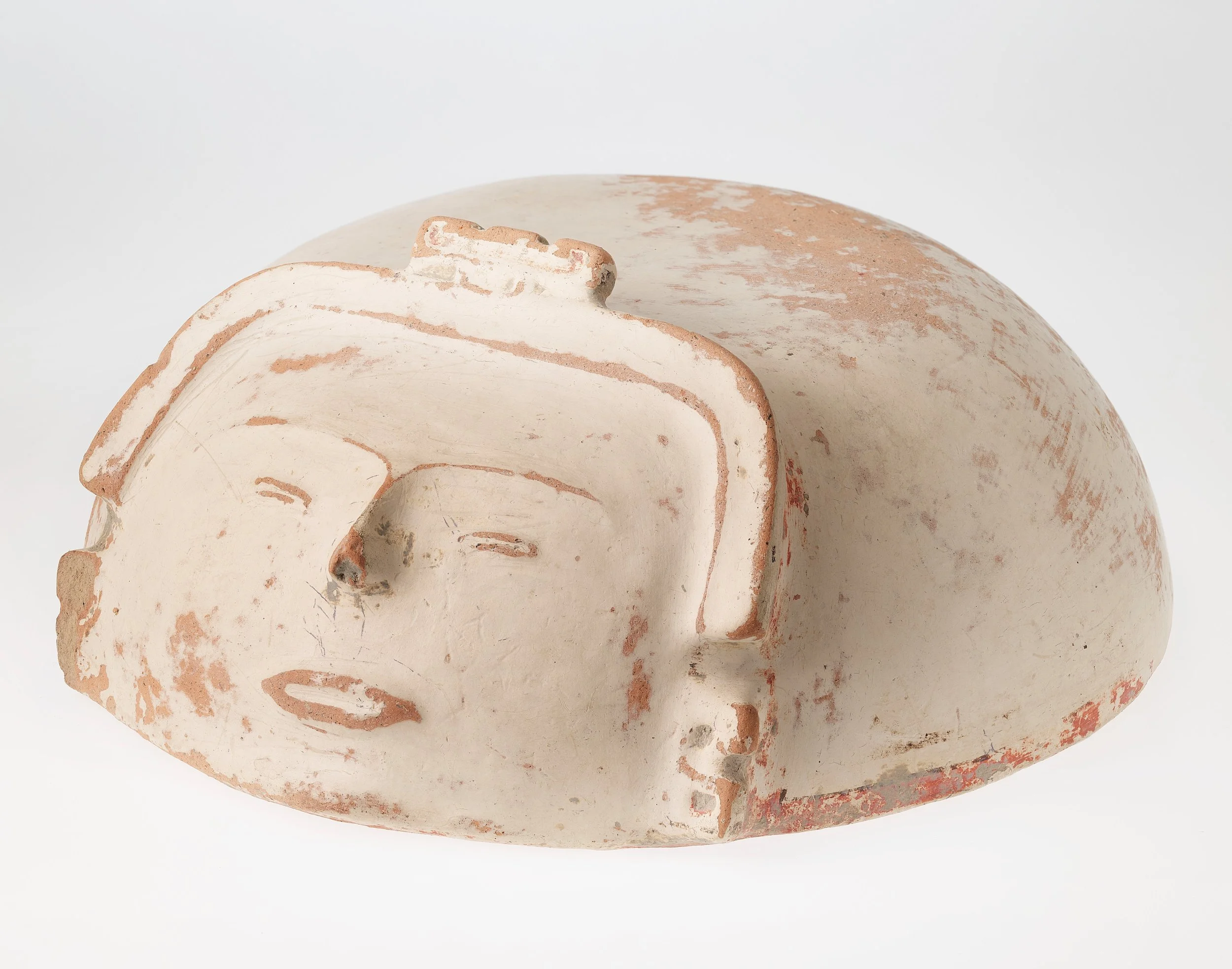
Zoomorphic Limestone vessel. Mayo-Chinchipe culture, Ecuador (ca. 3500-1700 BCE). Colección Nacional. Reserva Arqueológica Quito. Museo Nacional del Ecuador, Ministerio de Educación, Deporte y Cultura


Amazonian Legacies

Art and Archaeology

October 30, 2026 — March 14, 2027


Mighty rivers criss-cross a region the size of a continent. Hidden beneath the dense canopy of the rainforest lies a history stretching back thousands of years. The exhibition Amazonian Legacies – Art and Archaeology invites visitors to discover the Amazon from a new perspective: as one of South America’s most diverse cultural regions. People have lived in this region for at least 13,000 years, shaping landscapes, developing knowledge and creating artworks of extraordinary expressiveness. Monumental structures, extensive exchange networks, richly decorated ceramics and spectacular rock paintings communicate a past whose depth has long been underestimated.

At the same time, the exhibition introduces visitors to worldviews that remain alive in many indigenous communities. Nature and culture are not considered separate entities. Approaching Amazonian archaeology therefore also means rethinking our relationship with the world, exploring new ways of living together – and thus carrying the Amazon’s legacy into the future.


Exhibition Preview
 

Chiribiquete National Park, Guaviare, Colombia. © Daniel Rosengren.

Figure of a seated shaman, Tapajó culture, Brazil (ca. 900-1600 CE). Museu de Arqueologia e Etnologia da Universidade de São Paulo

Funerary Urn. Napo culture, Ecuador (ca. 1100–1500 CE), Ecuador, Museo Arqueológico y Centro Cultural de Orellana, MACCO-EP

Funerary urn depicting a bird-human figure. Marajoara culture, Brazil (ca. 400-1400 CE). Museu de Arqueologia e Etnologia da Universidade de São Paulo

Caryatid vessel with hand-modelled decorations in the shape of humans and king vultures. Tapajó culture, Brazil (ca. 900-1600 CE). Museu de Arqueologia e Etnologia da Universidade de São Paulo

Rock paintings from Chiribiquete. © Nicolas Villaume

Petroglyph of the Anaconda Creator. Cotundo, Napo, Ecuador. © David Camacho

Funerary urn depicting a bird-human figure. Marajoara culture, Brazil (ca. 400-1400 CE). Museu de Arqueologia e Etnologia da Universidade de São Paulo

Stirrup-spout vessel with two faces. Mayo-Chinchipe culture, Ecuador (ca. 3500-1700 BCE). Colección Nacional. Reserva Arqueológica Quito. Museo Nacional del Ecuador, Ministerio de Educación, Deporte y Cultura

LiDAR map of a segment of the Wapula settlement, Upano, Ecuador. Instituto Nacional de Patrimonio Cultural del Ecuador

Rock paintings in Cerro Azul, La Lindosa, Colombia. © Nicolas Villaume

Zoomorphic Limestone vessel. Mayo-Chinchipe culture, Ecuador (ca. 3500-1700 BCE). Colección Nacional. Reserva Arqueológica Quito. Museo Nacional del Ecuador, Ministerio de Educación, Deporte y Cultura

Muiraquitã (pendant in the shape of a frog). Culture unknown. Museu de Arqueologia e Etnologia da Universidade de São Paulo

Muiraquitã (pendant in the shape of a frog). Tapajó culture, Brazil (ca. 900-1600 CE). Museu de Arqueologia e Etnologia da Universidade de São Paulo

Urn lid. Guarita culture, Brazil (ca. 800-1600 CE). Museum Rietberg

River meanders in the forest of the Marajó archipelago. © Rafael Vilela, courtesy Amazon Revealed Project.