
The Mark of Empire: Kingdoms of the Sea presented by Peter Lee | Season Three
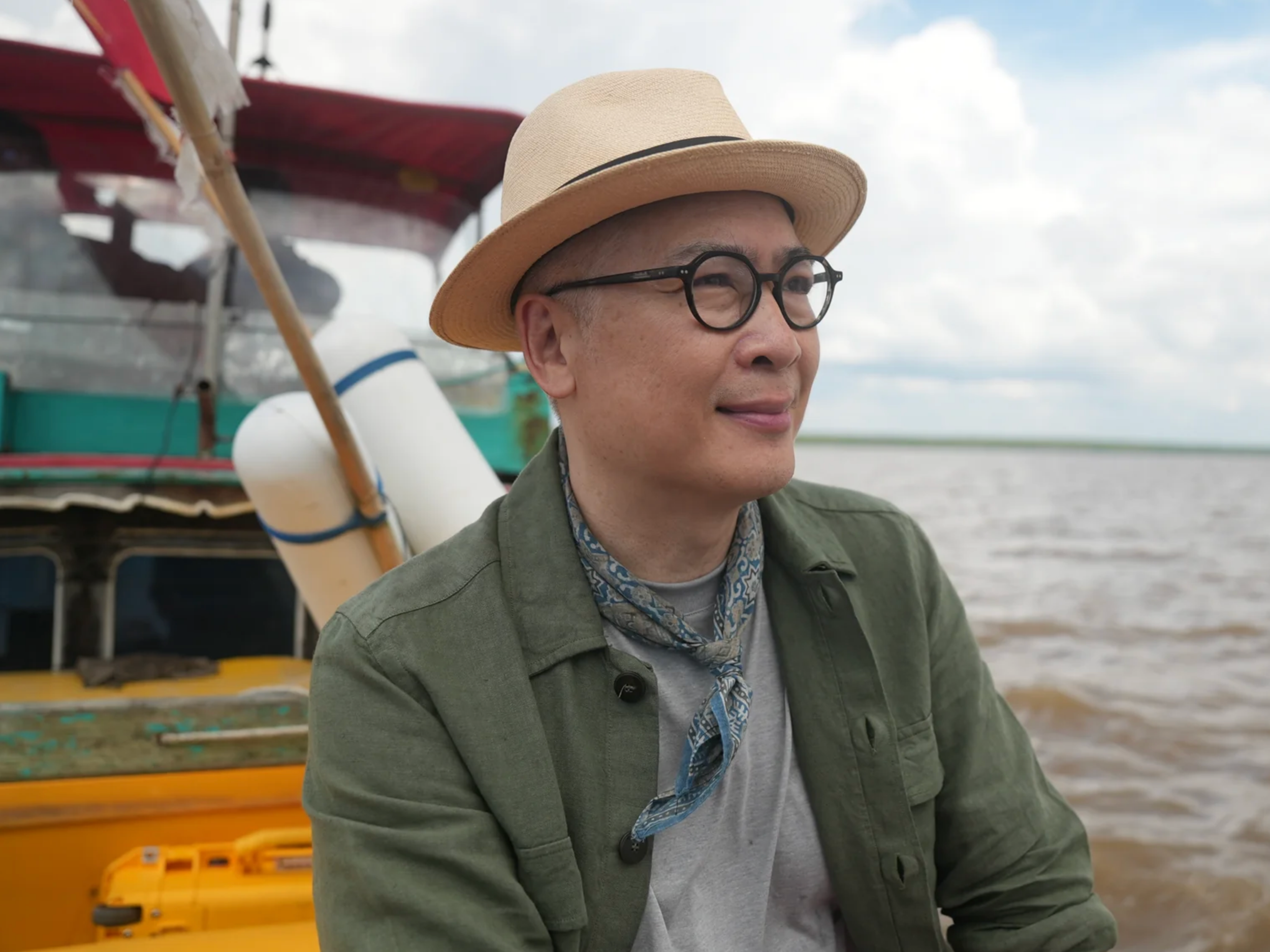
Courtesy of Mediacorp. Photo: IFA Media
What are the secrets and mysteries behind Asia’s ancient empires? In the third season of this award-winning series, curator and scholar Peter Lee is back on a journey to trace clues and uncover new theories behind the Srivijaya empire, the Champa kingdom, the Sultanate of Sulu, and the Anuradhapura kingdom. What were the epic battles, political alliances and cultural exchanges forged by the four powers in the region?
From investigating the iconic reliefs of Borobudur temple in Indonesia, to diving for sea cucumbers in the Philippines’ Sulu Archipelago, to practicing the ancient martial art of Angampora in Sri Lanka, and learning about modern Cham rap music in Vietnam, Peter traces the rise and fall of these formidable kingdoms, and the cultural legacies that they have left on the region until today.
Watch the third season of The Mark of Empire
Indonesia's Mysterious Srivijaya Kingdom That Thrived Over 1,000 Years Ago
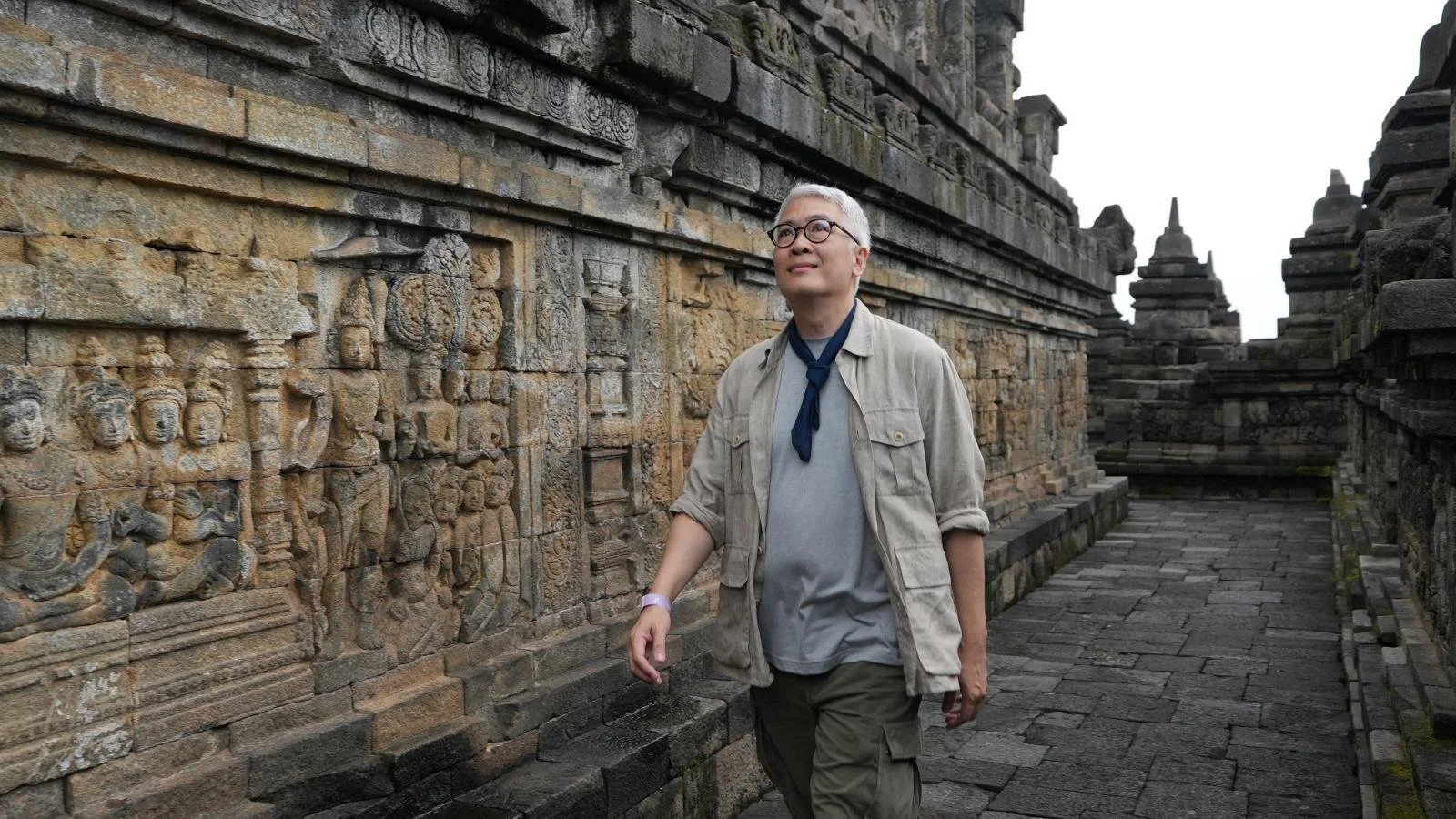
The name ‘Srivijaya’ was only discovered in 1918, yet the origins of this mysterious kingdom date back to more than a millennium ago. Curator and scholar Peter Lee travels to Indonesia to unlock the mysteries of the Srivijaya era. He finds clues to the kingdom hidden within one of the most iconic Buddhist monuments in the world, Borobudur, and unearths new finds at an archaeological dig in a remote forest in North Sumatra. Peter also goes on a fishing trip with the seafaring members of the Orang Laut, and traces how the Srivijaya secured control over strategic ports and sea lanes, rising to become a dominant trading entrepot in the region.
Vietnam's 1,500-Year Empire Lost To History: Living Relics Of Champa Kingdom
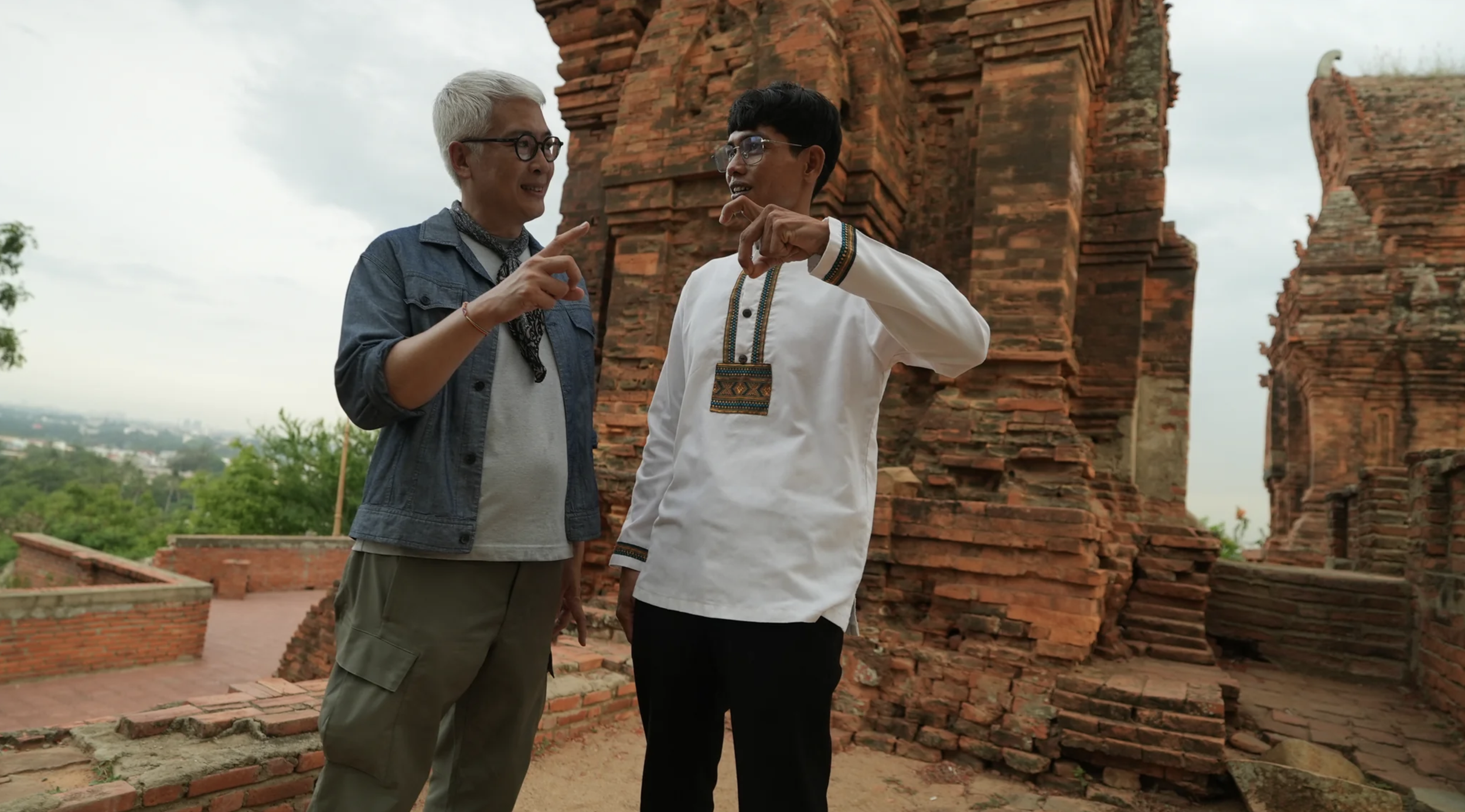
Linked to ancient seafarers from Taiwan, the Champa were expert sailors and vital players in global trade. On land, they were skilled builders and innovative agriculturalists who also made their mark on the modern world. Curator and scholar Peter Lee embarks on a quest to uncover the story of the Champa Kingdom and its glory years. From visiting the ancient, hallowed grounds of My Son Sanctuary where grand temples showcase the king’s authority, to learning about modern Cham identity with a local rap artist, Peter traces the great heights that the kingdom reached before its eventual decline. But in recent years, a new generation of Cham people are striving for pride and recognition of their ancient heritage.
The Philippine Sea Empire That Dominated Southern Maritime Trade For Centuries
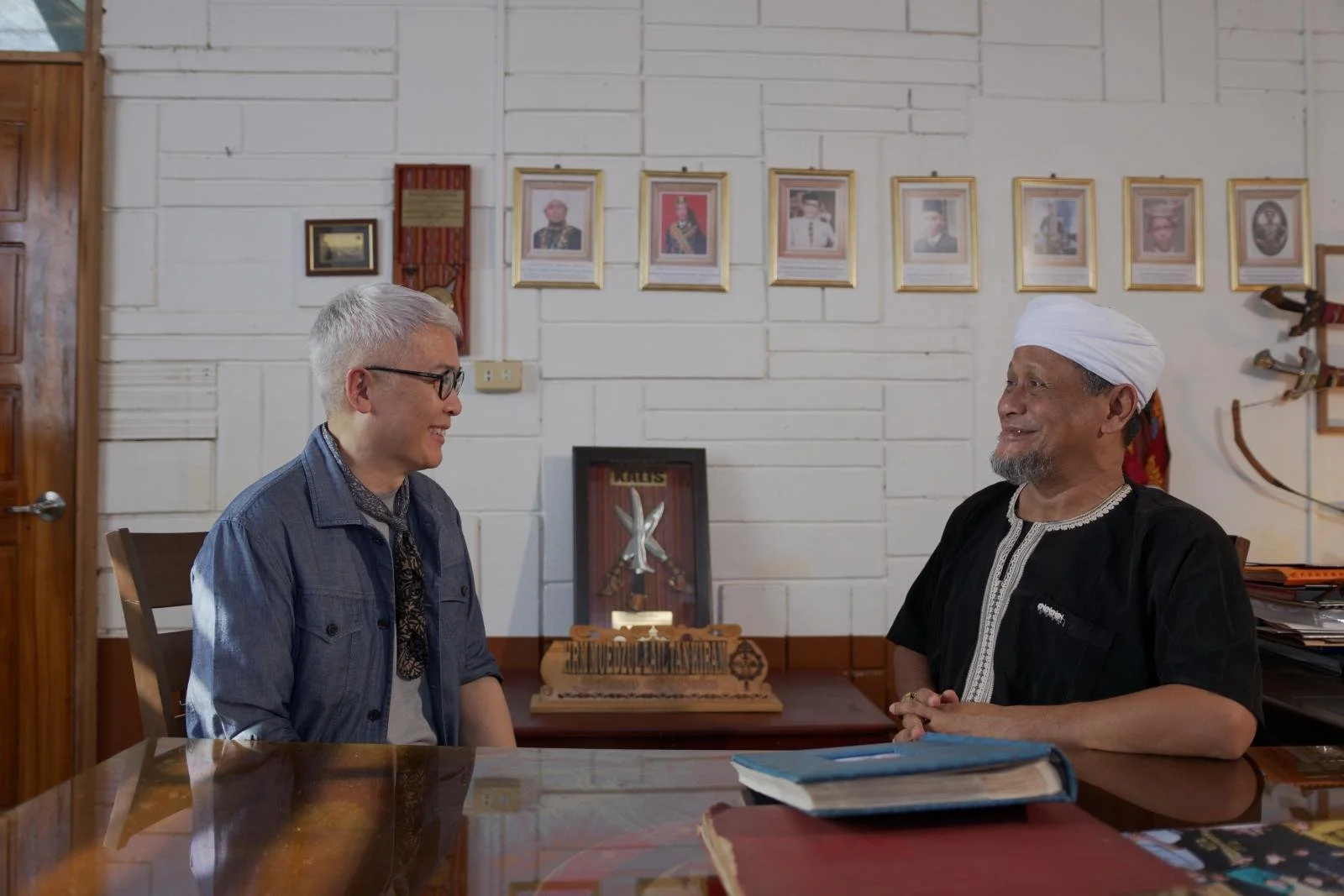
For nearly five centuries, a powerful kingdom ruled the southern seas of the Philippines - the legendary Sultanate of Sulu. Once a thriving maritime empire built on trade, faith, and diplomacy, the Sultanate rose to greatness before facing foreign powers like Spain’s colonial empire that threatened its independence. Join curator and scholar Peter Lee on a journey across the Philippines to rediscover this lost kingdom. From diving with the Sama Dilaut sea nomads, to uncovering centuries-old royal letters and treaties, to meeting a living descendant of Sulu royalty, discover the hidden history, untold power, and lasting legacy of the Sultanate of Sulu - one of Asia’s most remarkable forgotten empires.
The Engineering Marvels Of Sri Lanka's Ancient Kingdom Anuradhapura
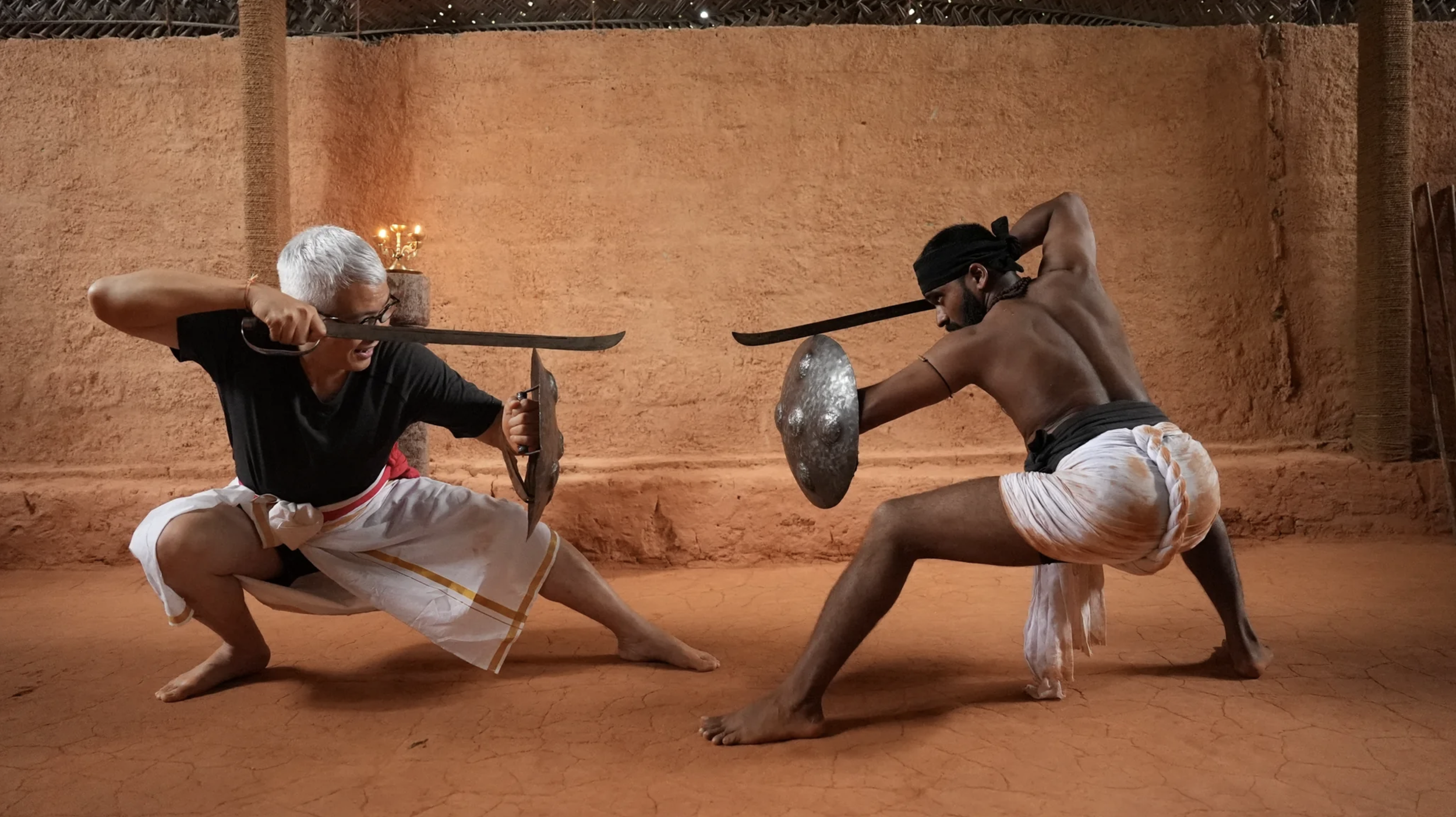
The island of Sri Lanka has lured travelers from near and afar to its shores. Over 2,500 years ago, this was the domain of the Anuradhapura Kingdom, a unifying force that turned the island’s dry plains into a breadbasket to fuel their cultural growth as a budding centre for the new religion of Buddhism, and where followers flocked to from as far away as Greece and China.
Curator and scholar Peter Lee travels across this beautiful island to discover how it became known across the ancient world for its unimaginable riches, drawing traders in search of luxury goods, but also becoming a target of envy to unwelcome visitors. From visiting the kingdom’s first Buddhist stupa, to practicing the ancient martial art of Angampora, to tracing the origins of its celebrated moonstone gem, he sees how the kingdom created a dazzling golden age that laid the foundations for a distinct culture and identity that has endured until today.
Peter Lee

Courtesy of Subject
Peter Lee is an independent researcher, and the Honorary Curator of the NUS Baba House — a historical house museum managed by the National University of Singapore.
He co-authored The Straits Chinese House with Jennifer Chen, published by the National Museum of Singapore in 1998 and 2006. In 2008, he produced Junk to Jewels — The Things that Peranakans Value, an exhibition and catalogue for the Peranakan Museum. He co-curated Sarong Kebaya, which opened in April 2011 at the same museum and a book he wrote on the subject was published in 2014. In 2018 this book was shortlisted for the Singapore History Prize. The 2013 exhibition Inherited and Salvaged: Family Portraits from the NUS Museum Straits Chinese Collection was comprised largely of portrait paintings he had assembled. He also contributed an essay to the exhibition catalogue that was published in 2015. In 2016, he co-curated Singapore, Sarong Kebaya and Style at the Fukuoka Art Museum and the Shoto Museum in Tokyo. He was the guest curator of Port Cities: Multicultural Emporiums of Asia, 1500-1900 at ACM, which opened in November 2016, and co-authored its exhibition catalogue. In 2017, he was the historical consultant for a Peranakan-themed short film launched at the Singapore Changi Airport Terminal 4. Peter was also the guest curator of Amek Gambar: Peranakans and Photography, an exhibition held at the Peranakan Museum from 2018 to 2019. In 2020, The Mark of Empire, a four-part documentary in which he features as the series’ host, was broadcast regionally by Channel News Asia, Singapore, and uploaded on YouTube.

