Time for Papua: An Impressive Presentation of 400 Objects at Wereldmuseum Leiden


Female Ancestor Image
Lake Sentani
Before 1926
Wood, dyes, polychromy
© Nationaal Museum van Wereldculturen


Time for Papua

An Impressive Presentation of 400 Objects

February 13, 2026 — January 3, 2027


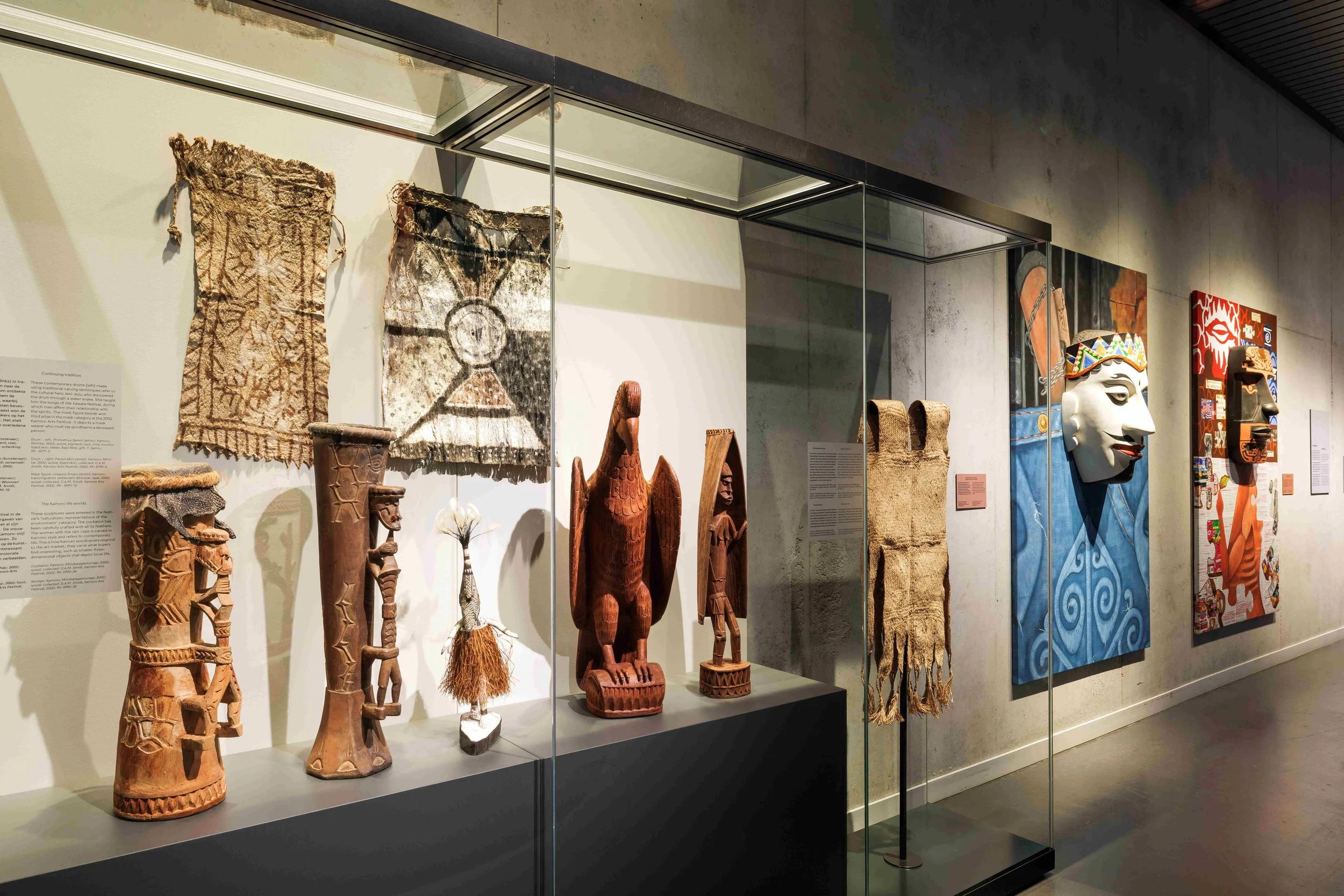
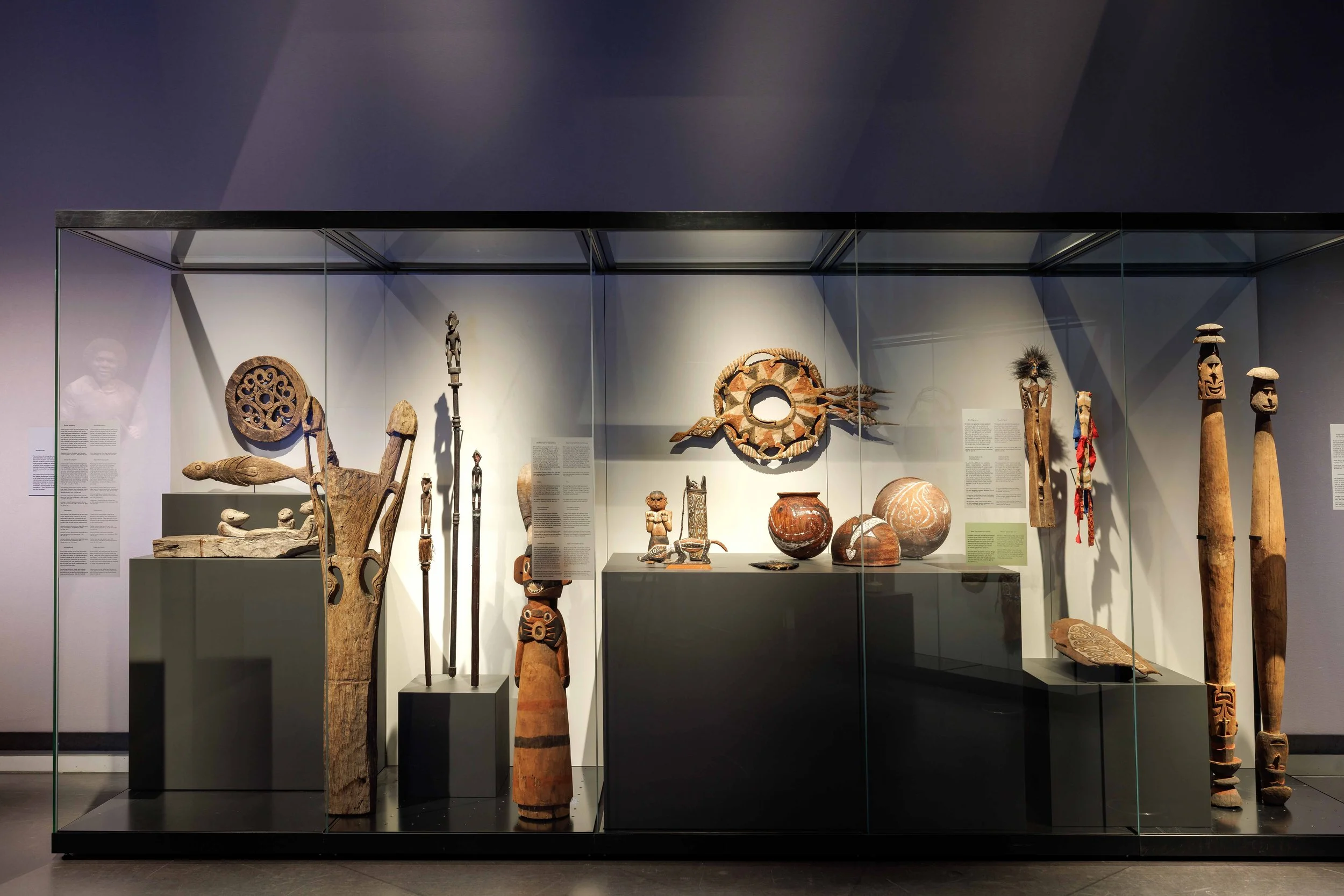
Wereldmuseum Leiden will show the new exhibition from today Time for Papua: an impressive presentation of 400 objects, selected from the world's largest Papua collection from western New Guinea. The collection, partly formed in the colonial period, requires an approach with context, historical connection and responsibility. Time for Papua builds on this by showing the traditional and current meaning of these objects. It is the first time in sixty years that this collection has been shown so widely and historical objects are brought together with contemporary art and voices from Papua and the Dutch diaspora.

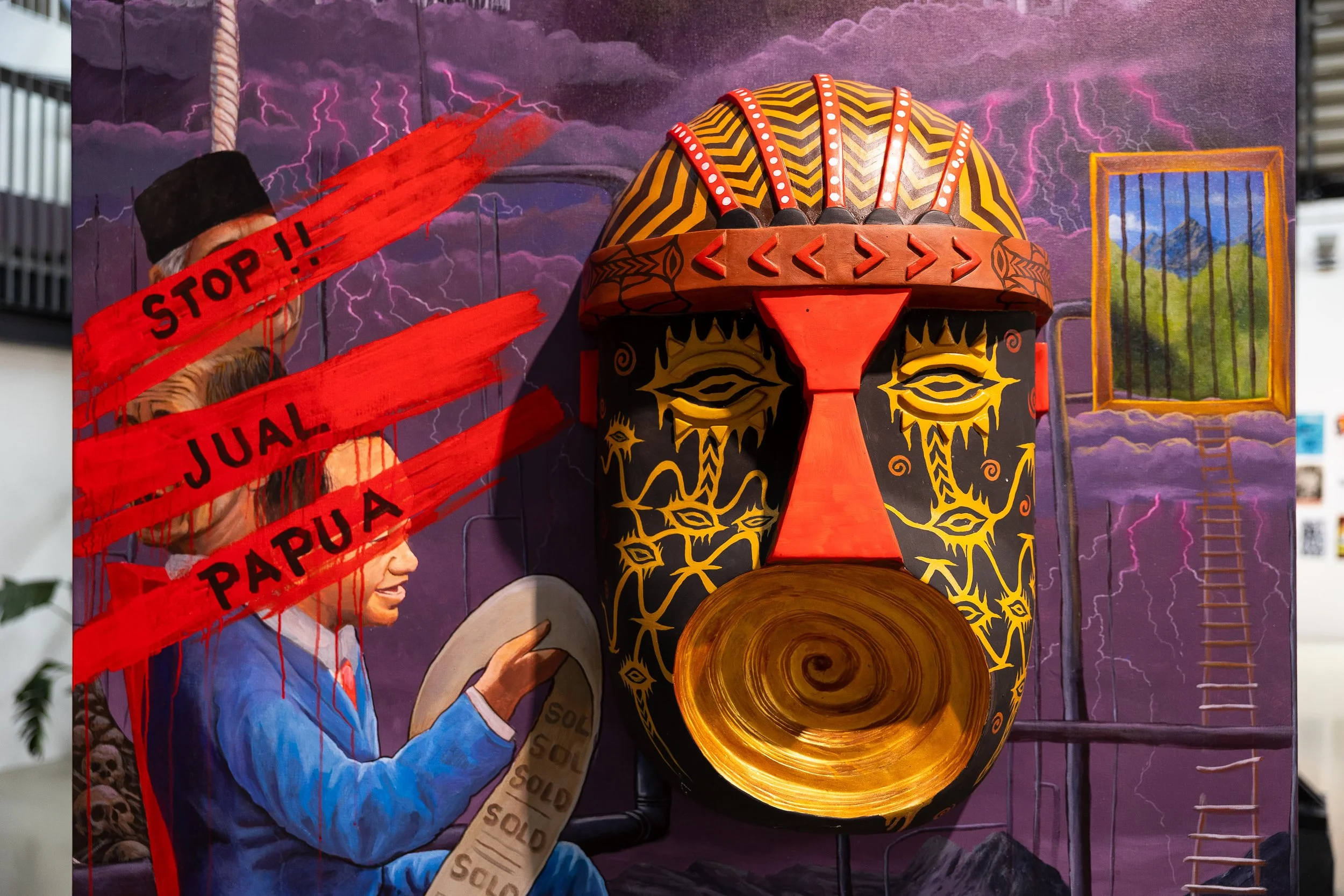
In Time for Papua, visitors will learn about Papua's dynamic Indigenous cultures, with roots dating back approximately 45,000–50,000 years. The exhibition highlights Papua's rich art and making traditions that have deeply influenced art history worldwide and are also of great significance today. With contributions from Dutch Papuans, Papuan filmmakers and contemporary artists, the presentation focuses on western New Guinea.  

The result is a multi-layered narrative that gives visitors an in-depth view of Indigenous lifeworlds, showing how they are intimately intertwined with a nonlinear understanding of time in which ancestral presence is indispensable - both in everyday life and in a sophisticated, ancient creatorship. In addition, the exhibition tells about the historical bond between Papua and the Netherlands and the colonial past, and visitors are challenged to look past well-known stories through Papuan art, placed in the here and now. 

Current crises, in which ecosystems and indigenous worlds are under great pressure, give objects for Papuans in New Guinea, in the diaspora and internationally a renewed and deeper meaning. Time for Papua emphasizes this important significance of the collection today: as a source of knowledge, representation and imagination for the future for communities in the region and diaspora – and shows not only what was, but also why it is now time for Papua.  


Exhibition Preview
 

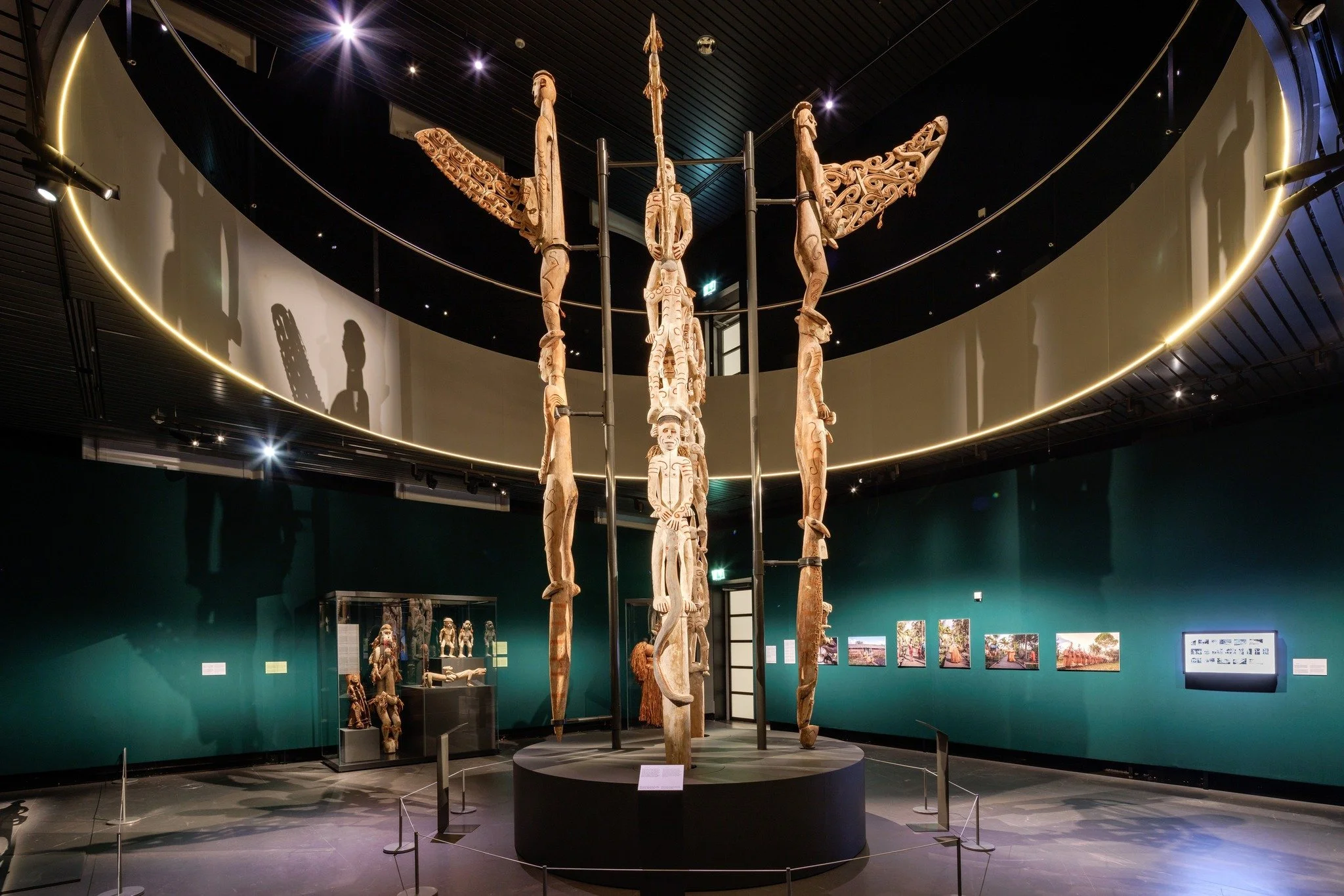
Wooden support pole of a village chief’s house
Lake Sentani
Before 1952
© Nationaal Museum van Wereldculturen

Wooden support pole of a village chief’s house
Lake Sentani
Before 1952
© Nationaal Museum van Wereldculturen

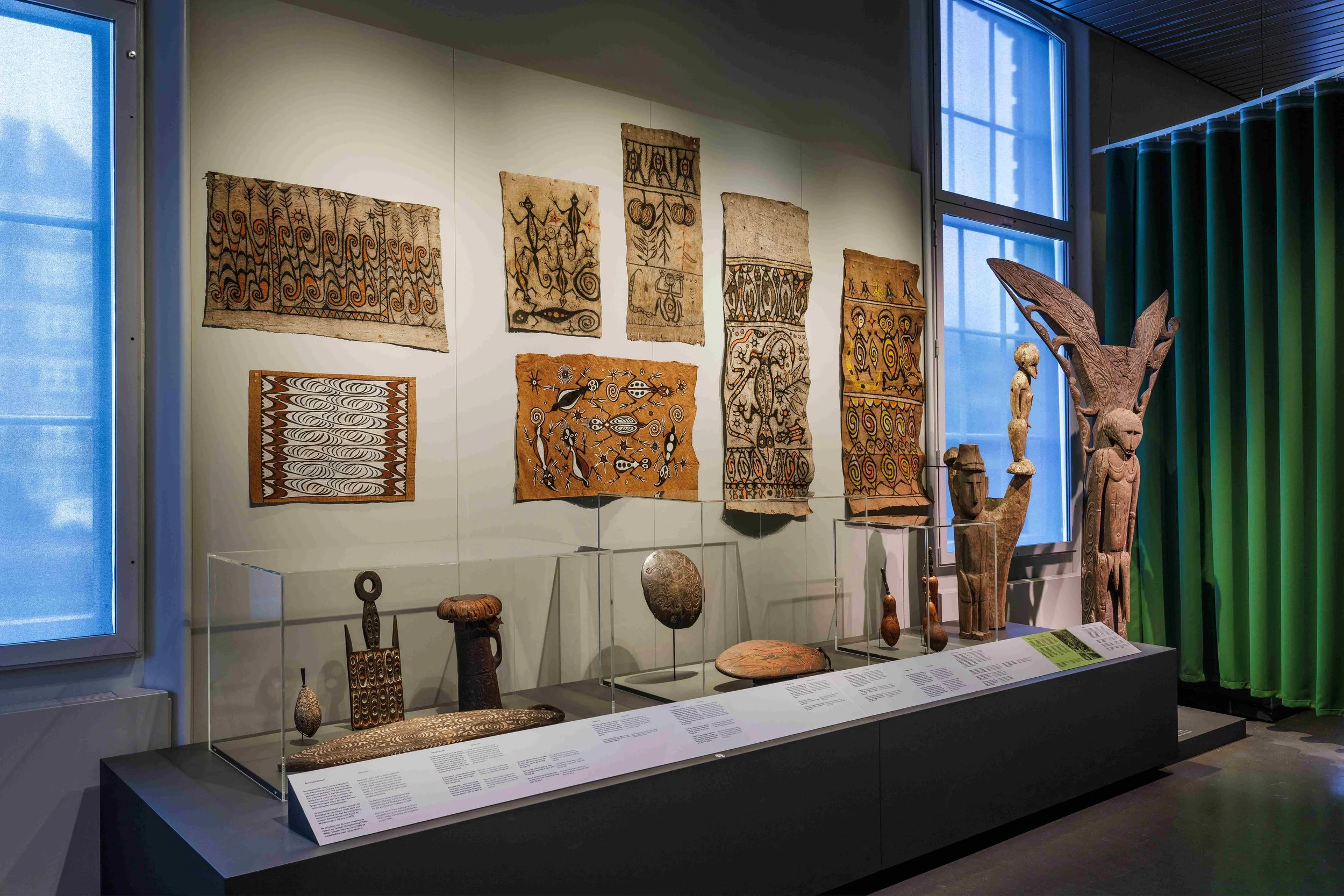
Painted bark cloth | Maro
Lake Sentani
Before 1931
Tree bark, paint
© Nationaal Museum van Wereldculturen

Ancestor statue depicting Raja Beni | Amfjanir
Biak, Raja Ampat
Early 20th century
Wood, mother of pearl
© Nationaal Museum van Wereldculturen

Bis pole with three human figures standing on top of each other and an openwork flag
Asmat
Before 1954
Wood
© Nationaal Museum van Wereldculturen

House Door
Geelvink Bay
Before 1907
Wood, pigments
© Nationaal Museum van Wereldculturen

Wooden support post for a village chief's house, with carving of a human figure
Lake Sentani
Before 1952
© Nationaal Museum van Wereldculturen

Ancestor statue with a human skull of a seated person holding two stylized snakes | Korwar
Wandamen
Late 19th century - early 20th century
© Nationaal Museum van Wereldculturen

Protection Mask
Kurudu
Before 1931
Areng fiber, wood, lime
© Nationaal Museum van Wereldculturen

Piece of a pole in the shape of a male figure
Lake Sentani
Before 1953
Wood
© Nationaal Museum van Wereldculturen

Wooden Mask
Geelvink Bay
Before 1931
© Nationaal Museum van Wereldculturen

Painted wooden prow statue of a male ancestor figure
Humboldt Bay / Lake Sentani
Before 1930
Wood, dyes, polychromy
© Nationaal Museum van Wereldculturen

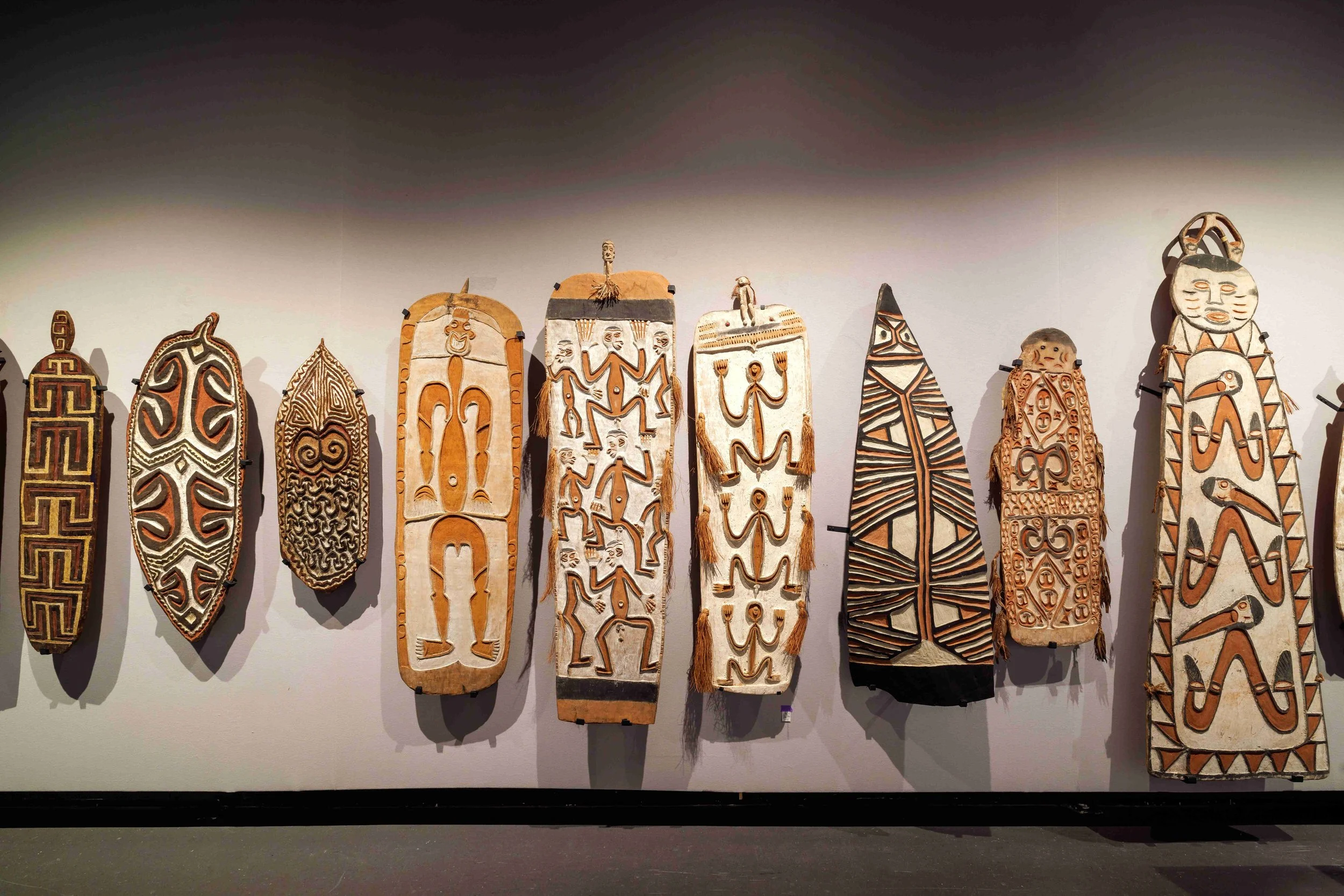
Wooden dance shield, decorated with an ancestor figure | Katua
Geelvink Bay
1875-1900
Wood, glass beads, feather, paint
© Nationaal Museum van Wereldculturen

Painted wooden shield in the shape of a leaf with carved motifs | Yamasj
Auyu
1925-1952
Wood, pigments
© Nationaal Museum van Wereldculturen

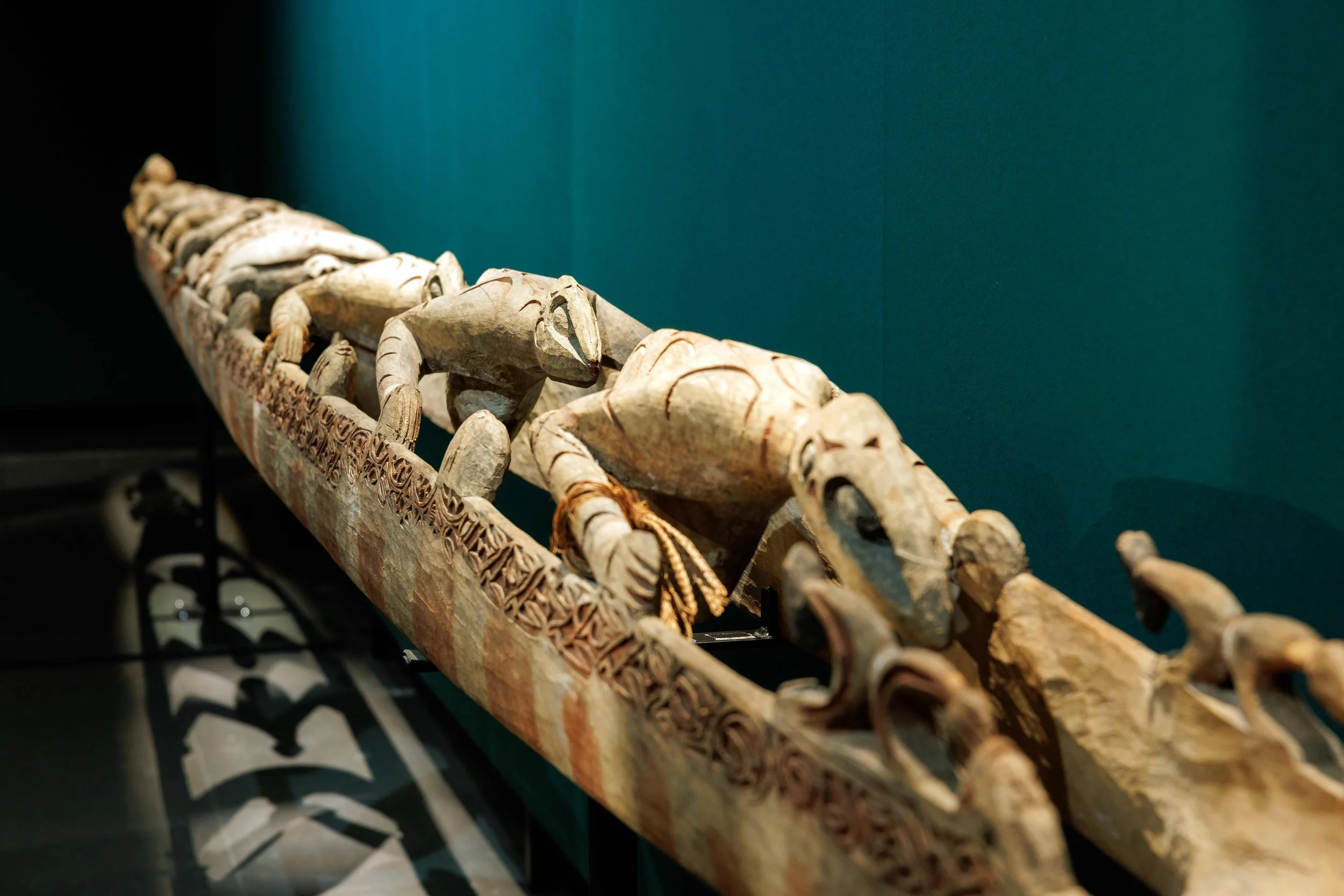
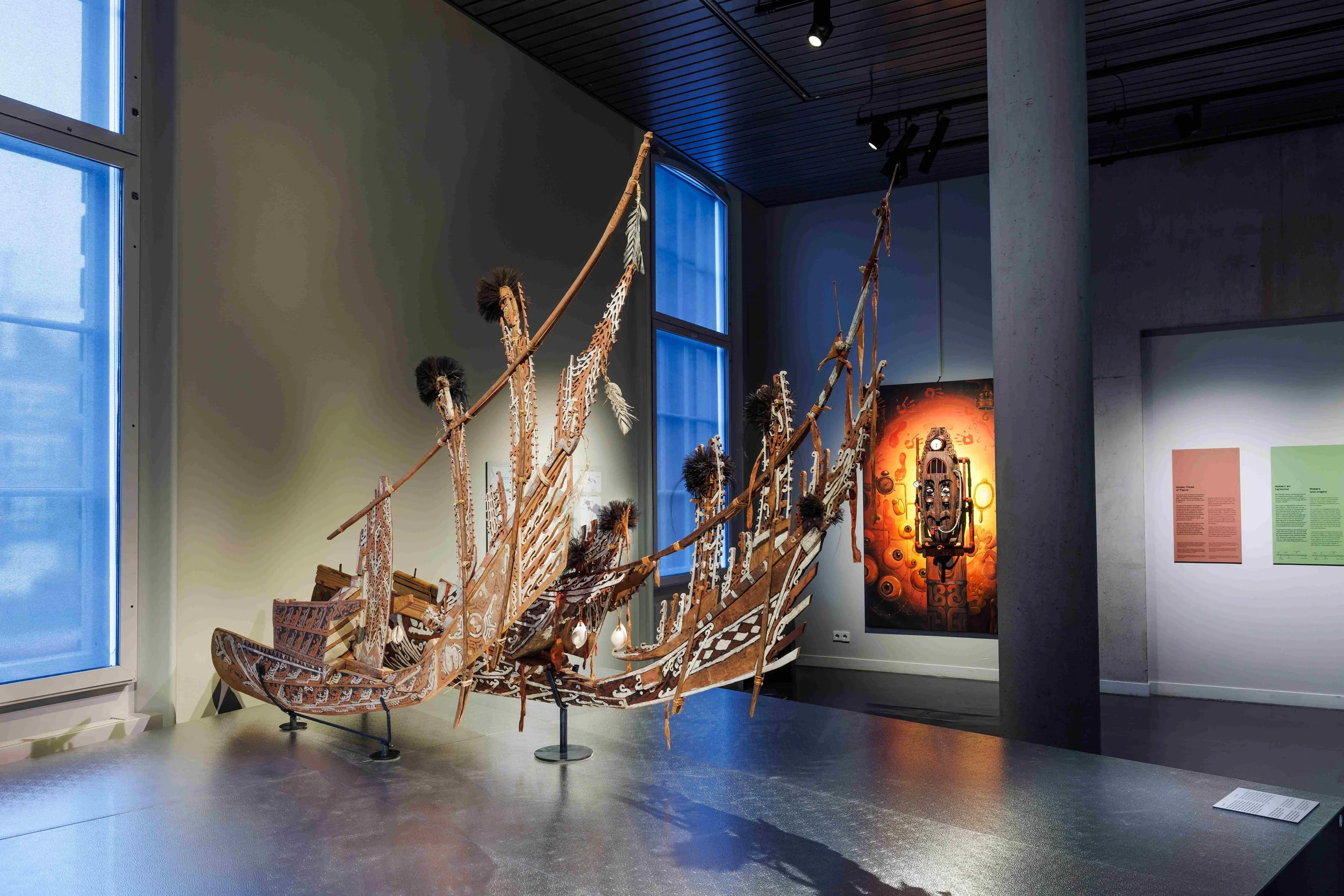
Prow decoration of a war canoe with openwork carving and a human figure
Biak
1875-1900
Areng fiber, wood, plant materials
© Nationaal Museum van Wereldculturen

Human figure carved from the root stump of a fern | Karakarau
Lake Sentani
Before 1900
Root, bone
© Nationaal Museum van Wereldculturen

Bronze axe blade
Lake Sentani
6th century BC - 1st century AD
© Nationaal Museum van Wereldculturen

Mat with human bird depicted
Coletta Joti (artist) 7337-14
© Nationaal Museum van Wereldculturen

Prow decoration in the shape of a bird
Raja Ampat
Before 1910
Wood, paint
© Nationaal Museum van Wereldculturen

Support pole with three heads from a men's house
Lake Sentani
Before 1953
Wood
© Nationaal Museum van Wereldculturen