
Animalia: Bestiary from The Al Thani Collection at Hôtel de la Marine
Animalia
Bestiary from The Al Thani Collection
July 1, 2026 — January 10, 2027
The Al Thani Collection at the Hôtel de la Marine presents Animalia, an exhibition exploring how cultures across periods and geographies have been drawn to, and inspired by, the animal kingdom. Featuring over 120 objects drawn from The Al Thani Collection, many of which are being shown in Paris for the first time, it includes depictions of creatures – both real and imaginary – representing civilizations from four continents spanning the 3rd millennium BC to the beginning of 20th century AD.
Animals have inspired human artistic creativity since prehistoric times, most notably in Paleolithic cave-paintings in western Europe and Asia. Over time, they have been kept as companions, used as religious and mythological symbols, and associated with power and authority; this proximity has also fuelled human scientific interest, and led to the study and classification of different species.
Presented across the four galleries of The Al Thani Collection at the Hôtel de la Marine, the exhibition presents a curatorial dialogue between objects from distinct contexts. Almost all commissioned by royal or aristocratic patrons, these works are distinguished by the quality of their execution and the use of rare and exotic materials. Brought together by a singular theme, the display highlights the many associations and common beliefs related to animals which are often shared through history, and across the world.
Gallery 1 presents seven masterpieces revealing widely diverse responses to the animal kingdom. Highlights include a Fatimid chess piece carved from a single block of rock crystal circa 975–1050 in the form of a king mounted on his elephant; a Timurid finial carved from nephrite jade circa 1424–1425 as a ram’s head; and a gold Mughal jewellery pendant created in India circa 1700 depicting a bird and set with diamonds, rubies and emeralds.
Gallery 2 celebrates the horse. Since its domestication around 2000 BC, this animal has been among the most admired and widely recognized symbol of power and status throughout Asia, Europe and parts of Africa, and, after its introduction by the Spanish, the Americas. The size and stature of horses have made equestrian portraits a quintessential royal image for millennia, while horses have also long been prized for their speed. Horse breeding is documented in Neo-Assyrian palace accounts recording payments for thoroughbreds from Nubia (modern Sudan), contemporary with a Greek statuette of a mare in the exhibition (circa 750-730 BC), likely offered to the gods before a race or in thanks for victory. Hunting on horseback has been another pastime of kings and emperors, making possible the pursuit of large or swift quarry like ibex, as shown on a silver and gold dish from circa 309-379 depicting Sasanian emperor Shapur II. Of equal importance was the use of chariots or cavalry in warfare, evidenced in the exhibition with examples relating to the Ancient Near East, the Mughal Empire and Frederick the Great.
Gallery 3 examines the enduring entanglement between power and the animal world, revealing how elites have used animal imagery to articulate authority, prestige and systems of belief across time and geography, representing them as both creatures of utility and subjects of veneration. In ancient Egypt, the cat – domesticated as early as the second millennium BC for its effectiveness in controlling snakes and rodents – gradually acquired a religious and protective significance. This is represented in the exhibition by a bronze and gold statuette dating from the Late Period (circa 600–400 BC). Felines also emerge more broadly as potent representations of sovereignty; a silver libation bowl commissioned for Nebuchadnezzar II (605–562 BC) is adorned with a figure of a striding lion, an enduring motif of imperial authority in ancient Babylon. This symbolism is evident across cultures: a nose ornament from the Moche civilisation (100–400 AD), fashioned from gold, shell and stone, evokes the elusive jaguarundi, an elusive wild cat native to the Americas, while a monumental garment buckle in the form of a tiger (475–221 BC), produced in China during the Warring States period, reveals the permeability of artistic traditions, incorporating Sarmatian and Scythian influences carried and transmitted along established trade routes. The Bactrian camel was the principal pack animal used to transport goods along these ancient ‘Silk roads’, serving from the tip of the Arabian Peninsula to the Black Sea, from Western Asia Minor to Eastern China; a copper-alloy representation dates to circa 1700 BC. Maritime routes brought exotic creatures to Rome for animal fights hosted by emperors and leading citizens in amphitheatres, including the Colosseum; a figure of an Indian rhinoceros was carved in the Roman capital from black marble in the 1st –2nd century. Elephants have historically been potent symbols of power across Asian and African cultures. In the Mughal empire, they were used for war, hunting and ceremonial spectacle; the exhibition includes a miniature depicting Prince Salim – later Jahangir – riding one of these majestic animals which has broken free of its tether and escaped (circa 1600-1605), transforming a moment of peril into a compelling assertion of princely mastery.
Reflecting local legends, a sculpture attributed to Japanese artist Morikawa Toen (1820–1894) dates from the Meiji period, circa 1850–1890, and depicts the myth of the god of Kasuga Shrine in Nara who is said to have arrived at Mount Mikasa riding a white deer; while a large-scale wooden depiction of a mythological bird was made by the West African Senufo people circa 1900 and is associated with initiatory rituals.
Finally, this gallery also addresses scientific understanding of the natural world through two towering figures of natural history. Cassiano dal Pozzo (1588–1657) was an Italian scholar and patron who systematically assembled thousands of drawings of animals to allow for direct comparison; a drawing of a Citron-crested cockatoo by Vincenzo Leonardi (c.1590–c.1646) depicts an exotic bird brought back from Indonesia, likely through Portuguese diplomatic channels, for one of the celebrated aviaries in Rome. The Comte de Buffon (1707–1788) was a celebrated French naturalist who was a pioneer in collecting wildlife specimens for observation in the Royal Gardens in Paris. In 1749, he published the first volume of the Histoire naturelle which contributed to the growing recognition of the process of evolution later made famous by Charles Darwin, and which illustrated exotic animals including a capybara, a Talapoin monkey and birds from South Africa and Brazil.
Gallery 4 explores the porous boundaries between the animal world and the supernatural, where deities, heroes and mythological beings take hybrid and transformative forms. Two works which illustrate the composite nature of ancient Egyptian theology, in which animal attributes articulate complex divine identities, are a finely carved obsidian statuette of Thoth in the form of a baboon (Late Period, circa 600–400 BC) which reflects the god’s association with wisdom and knowledge; and a luminous feldspar sculpture depicting a falcon-headed crocodile deity which illustrates the religious syncretism of the Ptolemaic and Roman periods, circa 300 BC – 200.
Across cultures, animals serve as conduits between the human and the sacred. An anthropomorphic gold pendant produced in South America (circa 1–500 AD) incorporate features or the jaguar, a powerful and sacred figure pre-Columbian cosmologies. Similarly, a headdress frontlet in the form of a bird created by the Tlingit people of Southeast Alaska (circa 1840) from wood, abalone shell and pigment, evokes the animal as a mediator between worlds.
Hybrid creatures which capture the tension between man and beast are also evidenced in the mythology of diverse cultures; the figure of a centaur appears both in a Safavid Persian plaque depicting Sagittarius (circa 1550–1650), and also in a contemporaneous pair of Renaissance bronzes attributed to Italian sculptor Francesco Fanelli representing the Greco-Roman myth of Nessus abducting Deianeira.
The exhibition concludes with the enduring mystique of fantastical creatures. A dynamic 16th-century Safavid drawing depicts two Chinese-style dragons locked in combat, exemplifying a longstanding human fascination with hybrid and imaginary forms, through which power, conflict and the boundaries of the natural world are continuously reimagined.
This exhibition is organized by The Al Thani Collection Foundation in collaboration with the Centre des monuments nationaux. It is curated by Amin Jaffer.

Exhibition Preview
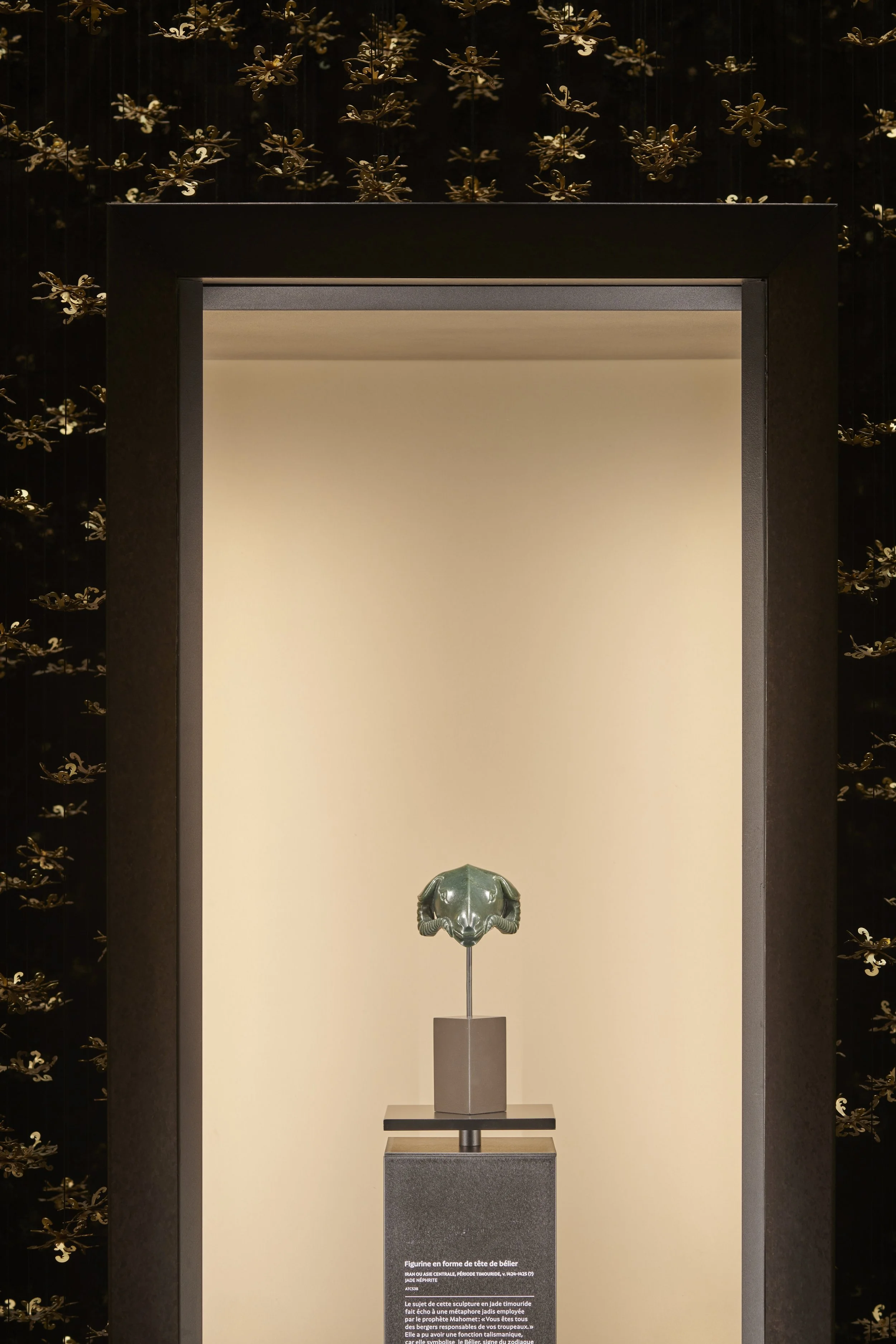
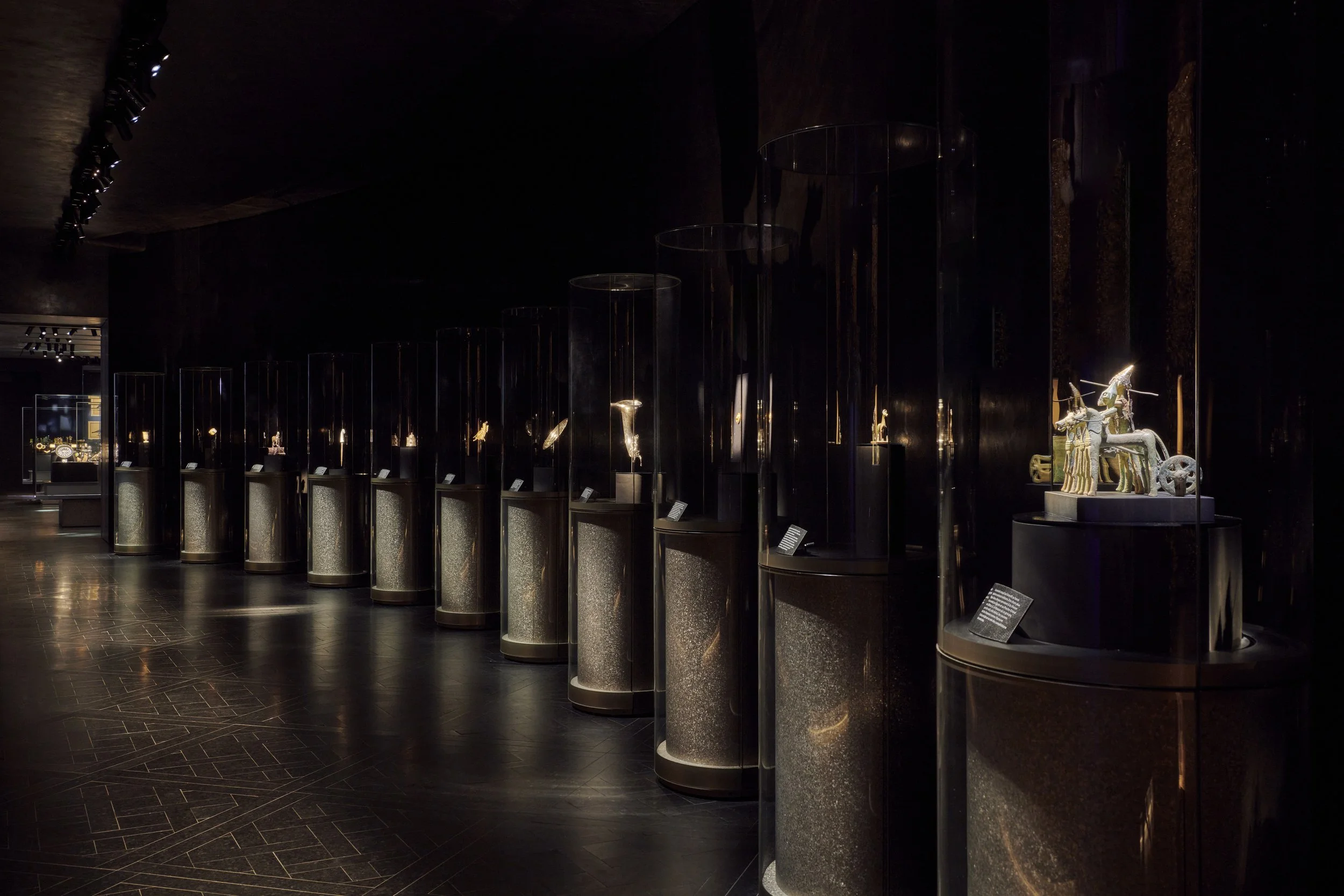
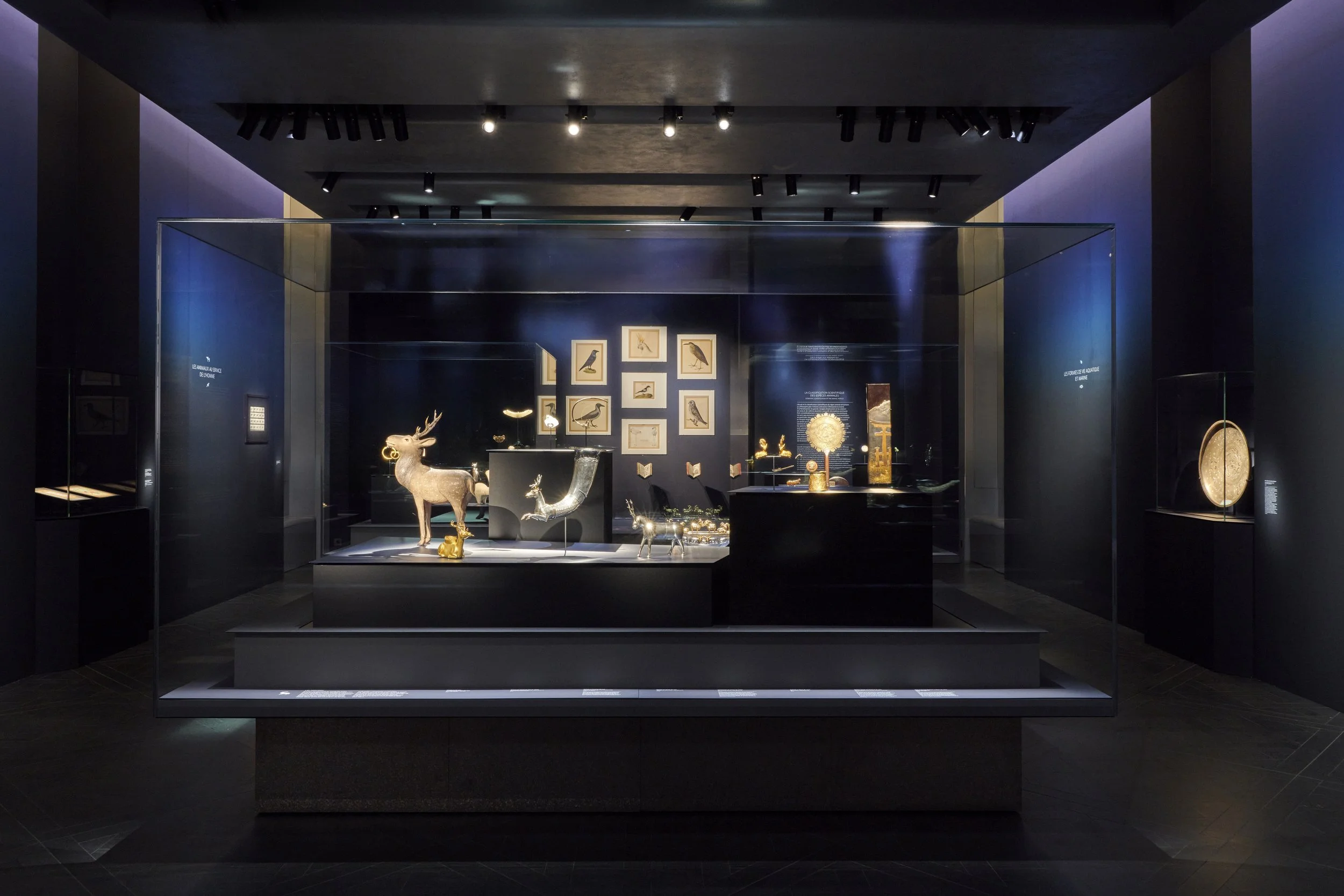
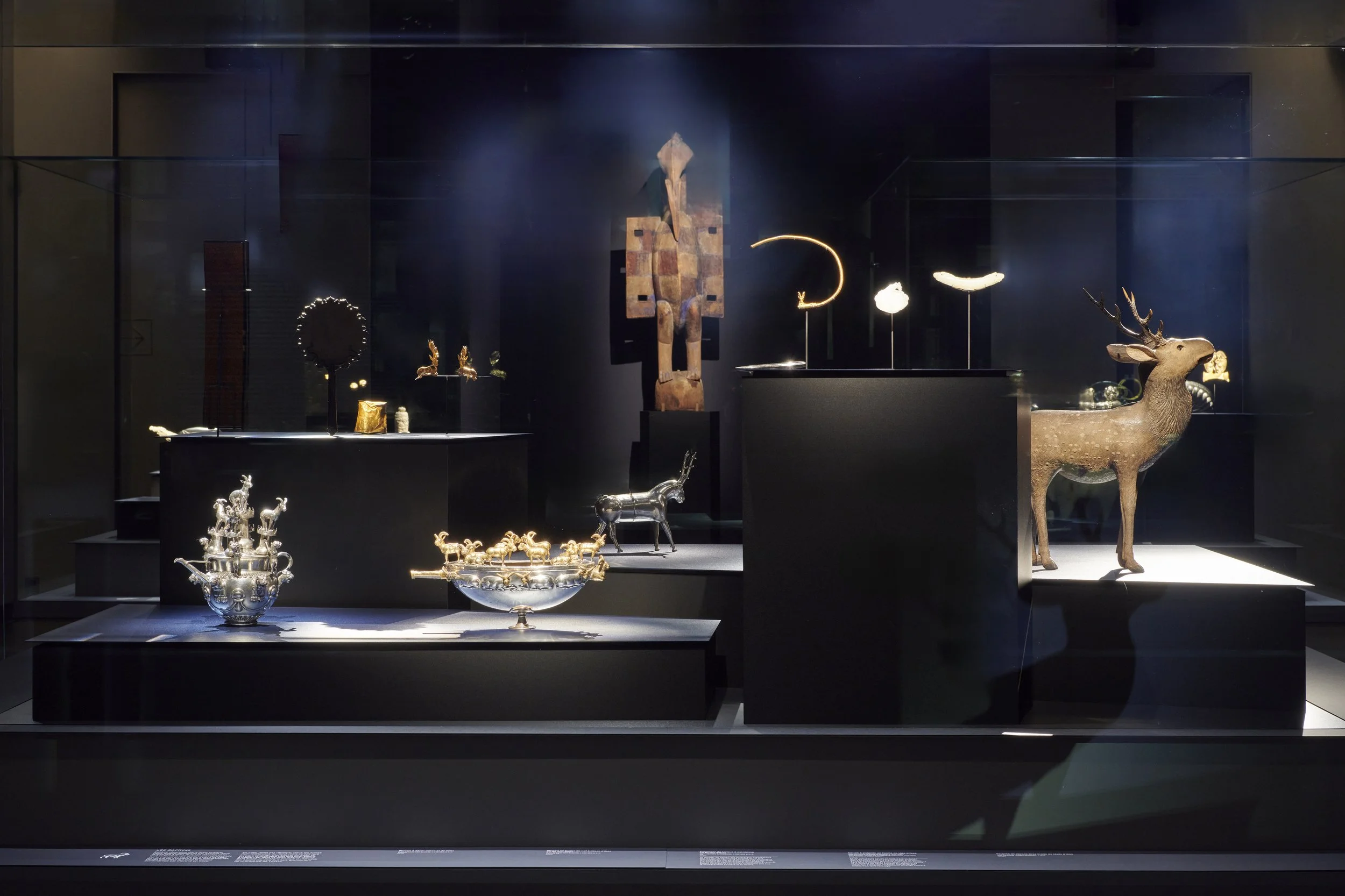
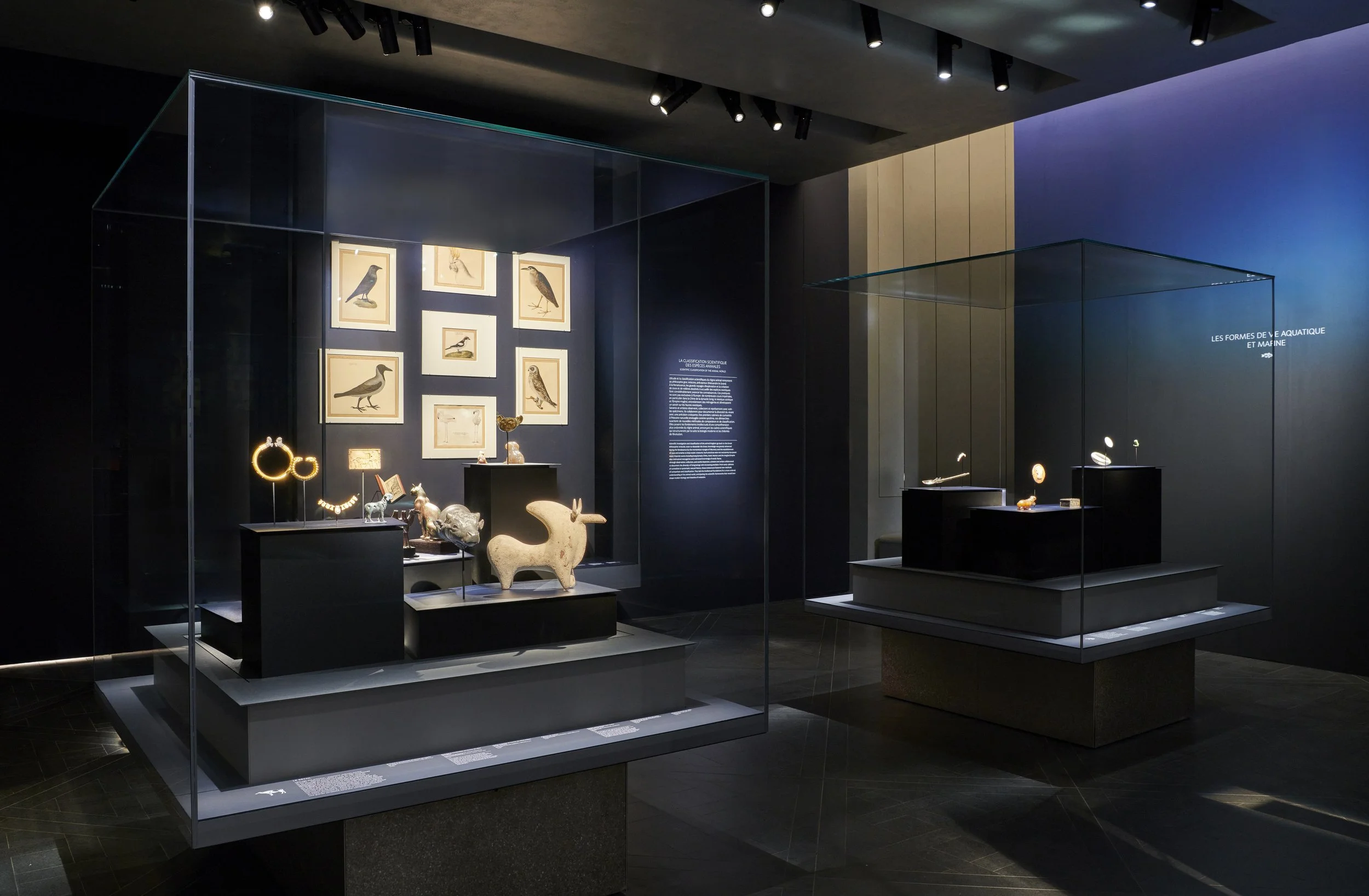
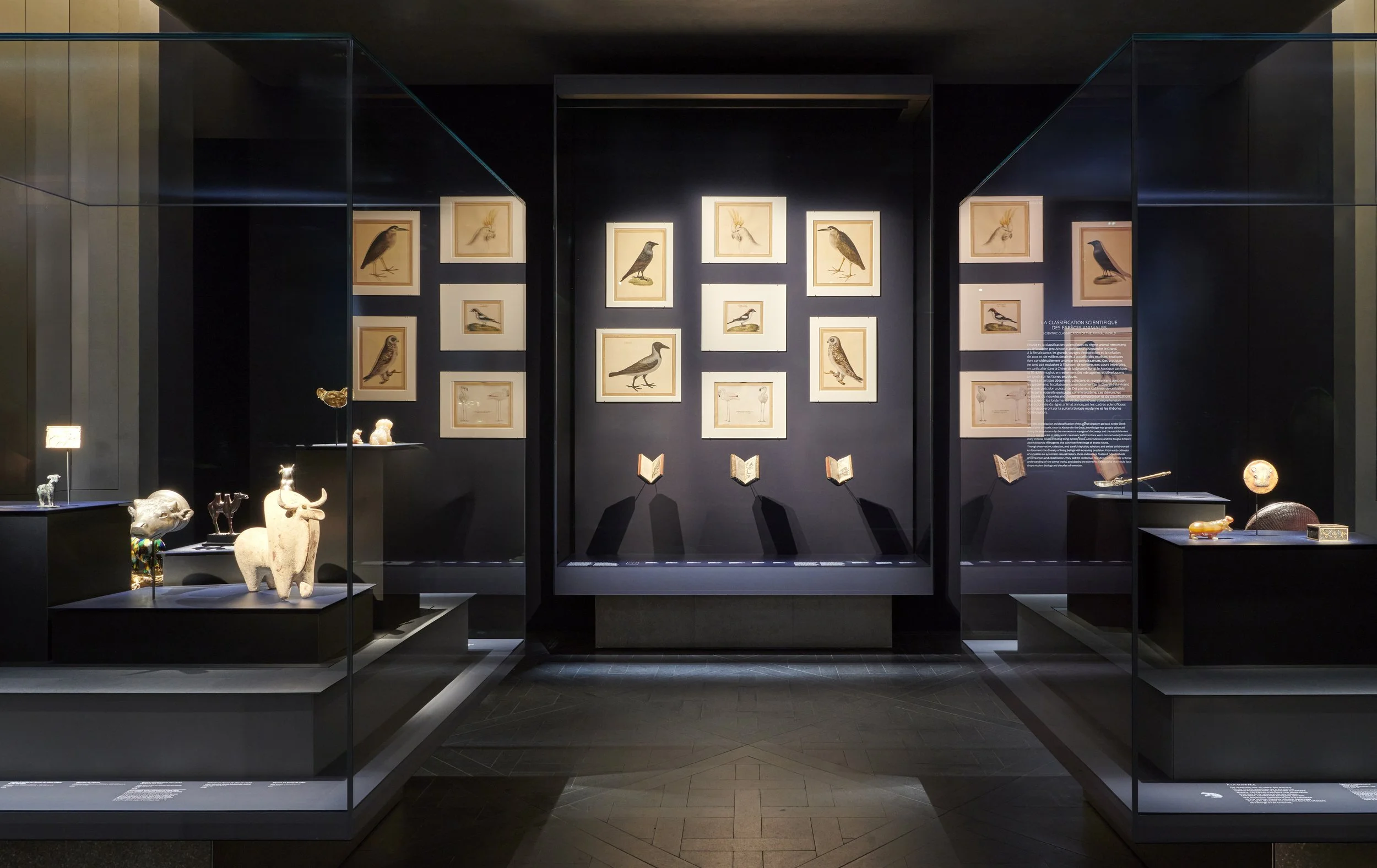
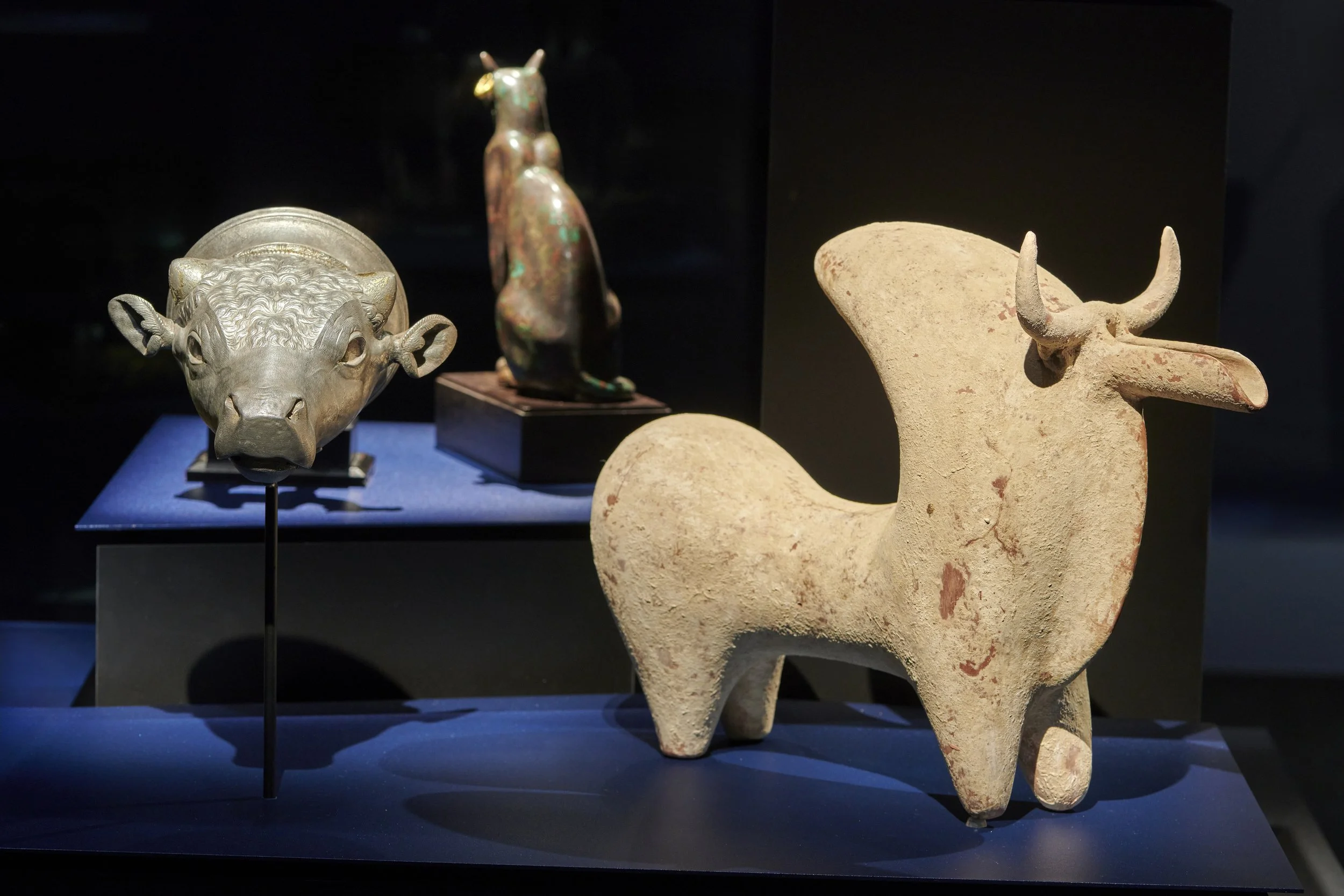
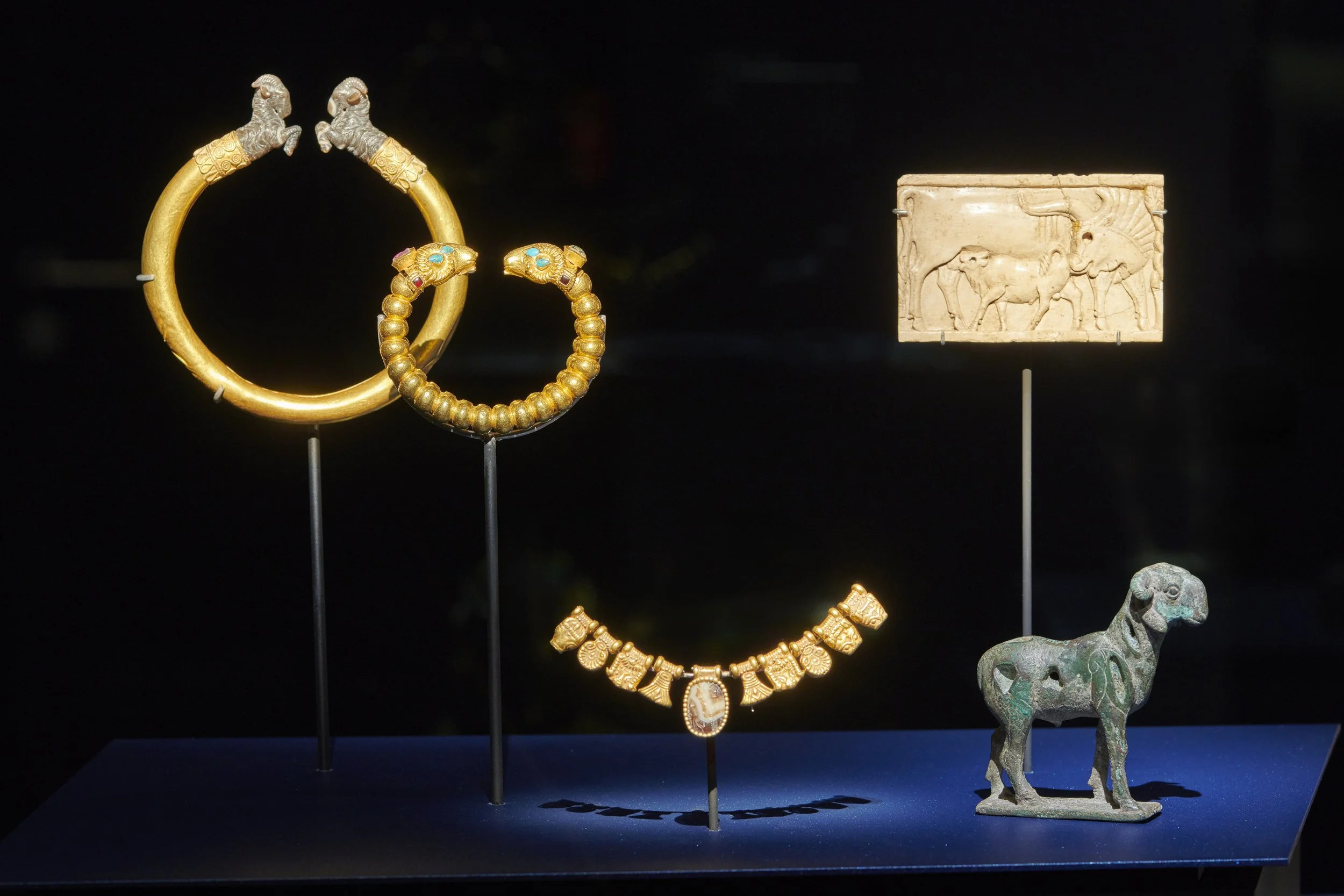
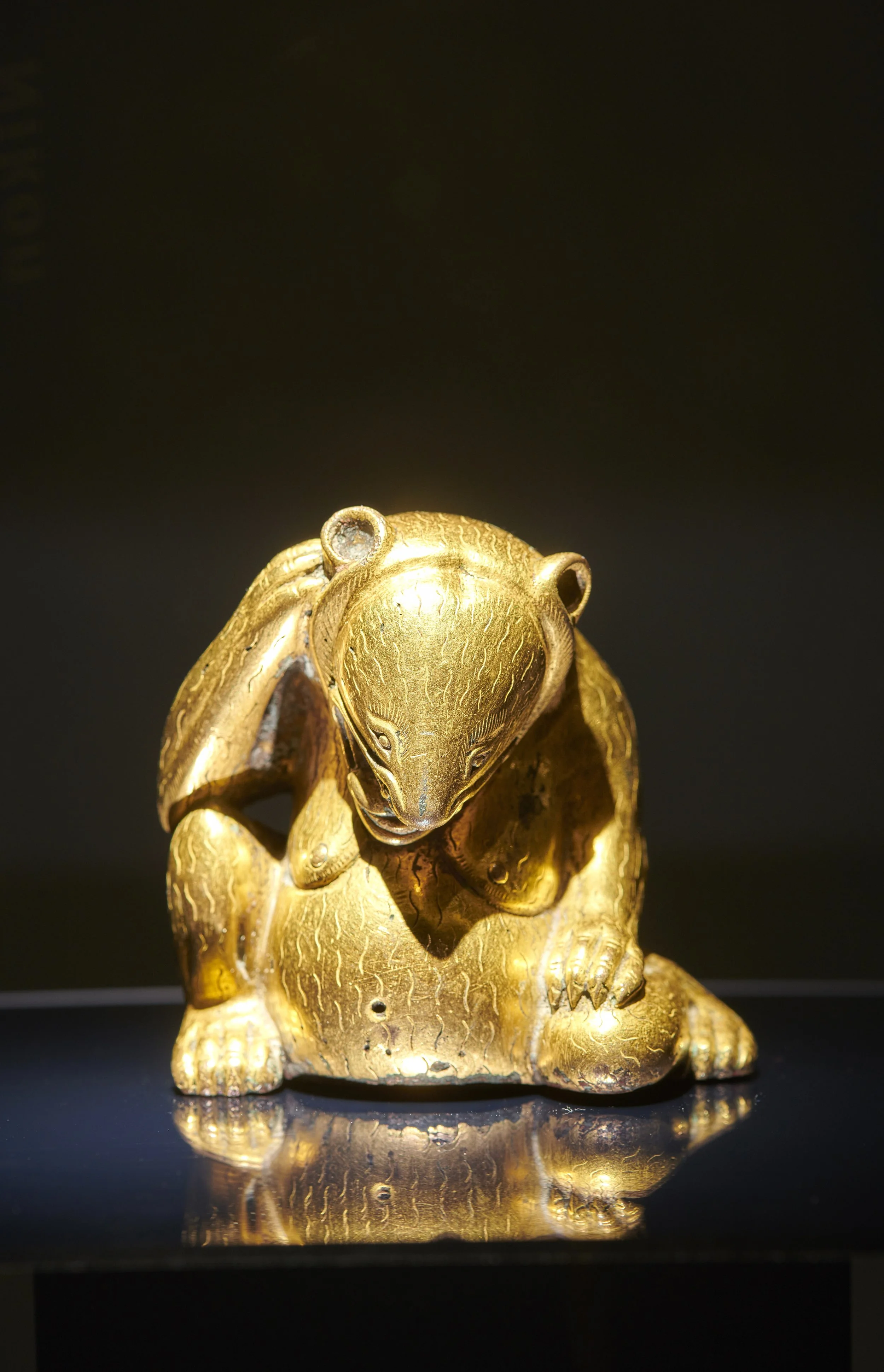
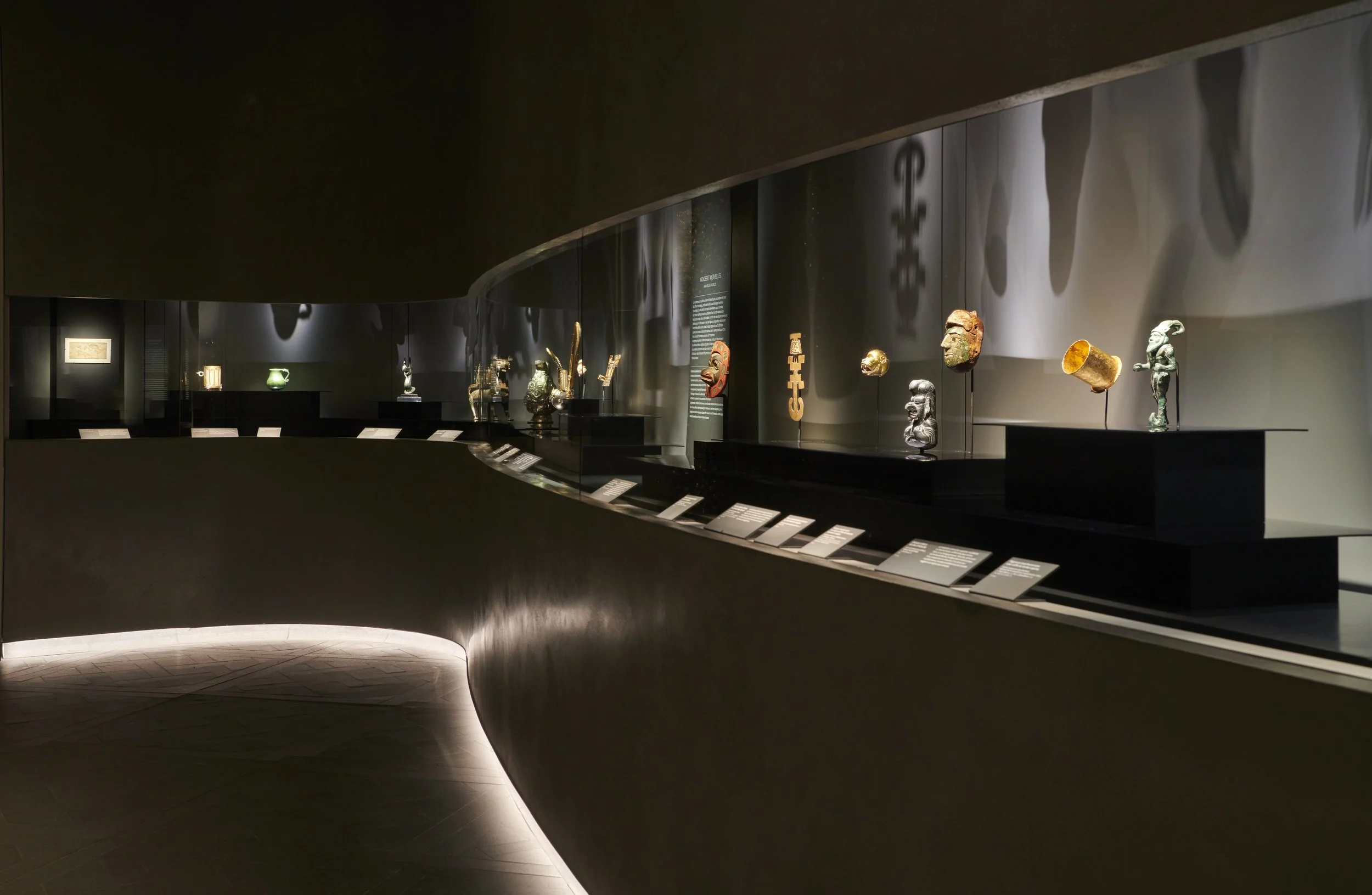
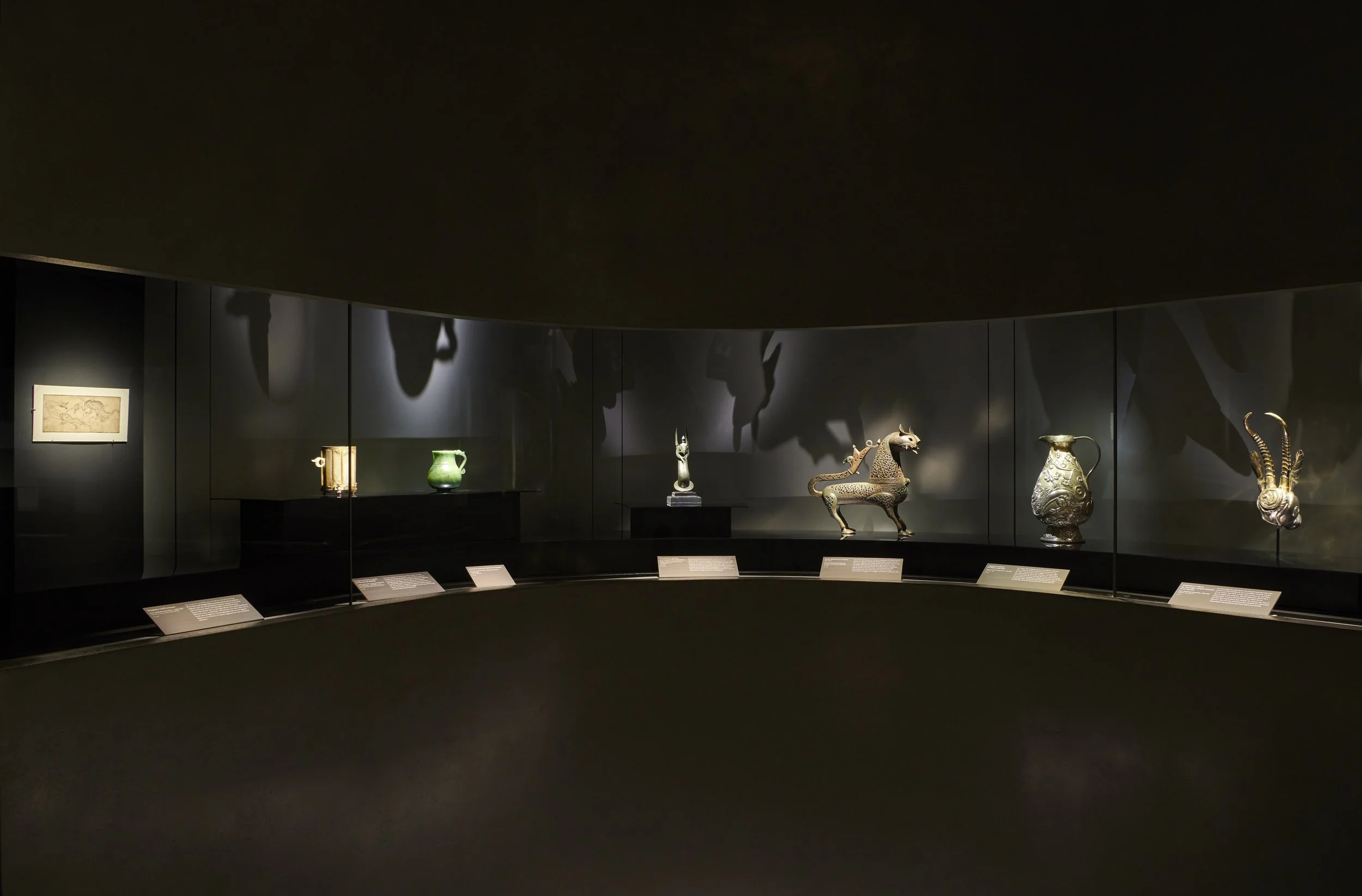
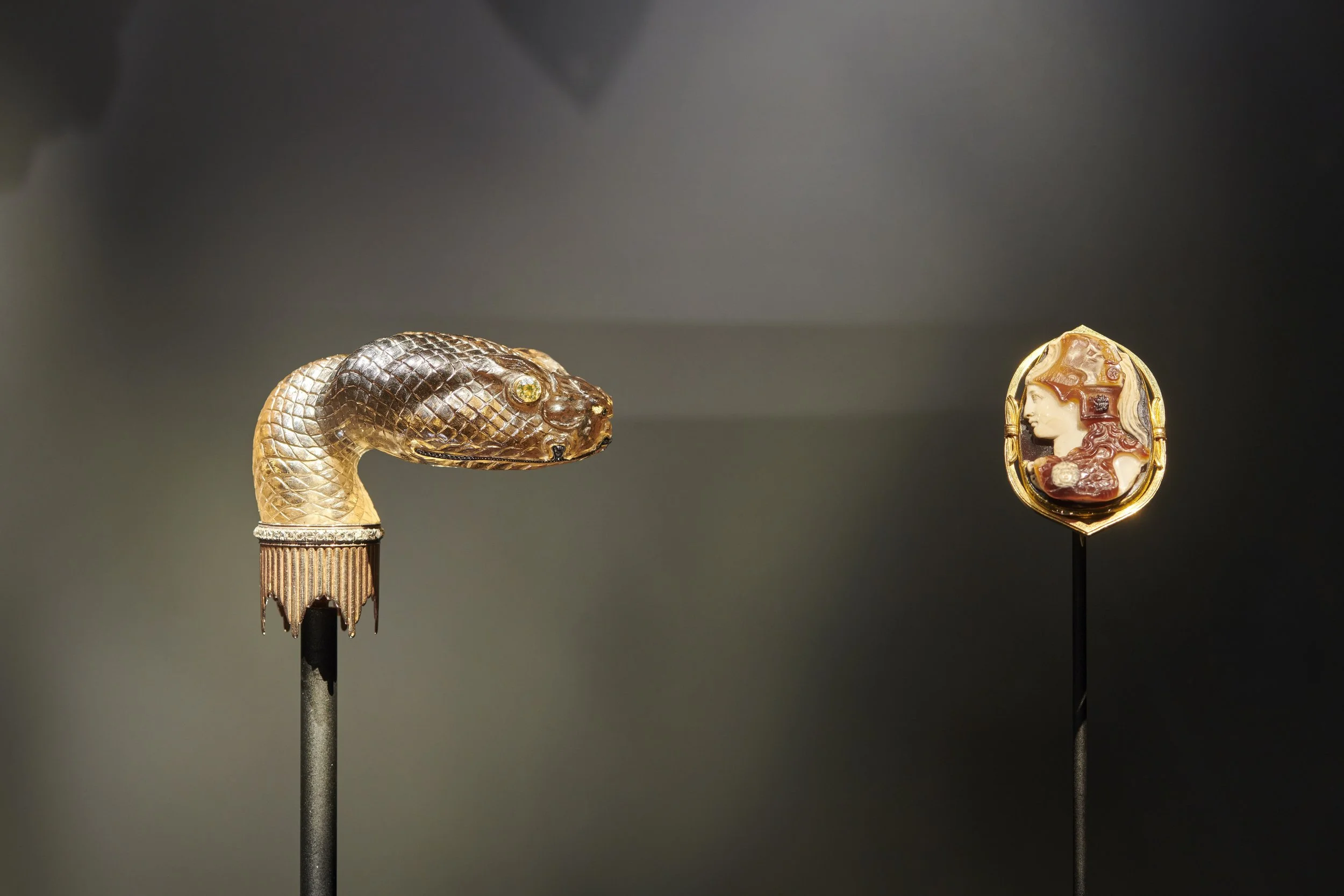
View of the exhibition “Animalia” © The Al Thani Collection 2026. All rights reserved. Photographs by Marc Domage.