Red: Masterpieces of Chinese Lacquerware at Museum Rietberg | Layers and Cuts: Chinese Lacquer Art at Museum für Ostasiatische Kunst Köln
Red
Masterpieces of Chinese Lacquerware
August 28, 2026 — January 31, 2027
Lacquer is fascinating. The material protects, preserves, and embellishes, revealing its unique aesthetic power. The soft glow of its silky surface is at once serene and striking. In China, this material was elevated to an art form in the distant past. Works of extraordinary intricacy have been created over millennia, perfectly melding exceptional craftsmanship and deep cultural significance.
Red – Masterpieces of Chinese Lacquerware at Museum Rietberg invites visitors to delve into this world. The exhibition brings together exceptional objects impressive not only for their technical skill but also for their nuanced symbolism. Flowers and birds represent harmony and beauty while dragons and phoenixes stand for power and happiness. Bats and insects embody good fortune. These images reveal the full breadth of imagination in Chinese culture.
In collaboration with LWL Museum of Art and Culture, Münster.

Exhibition Preview
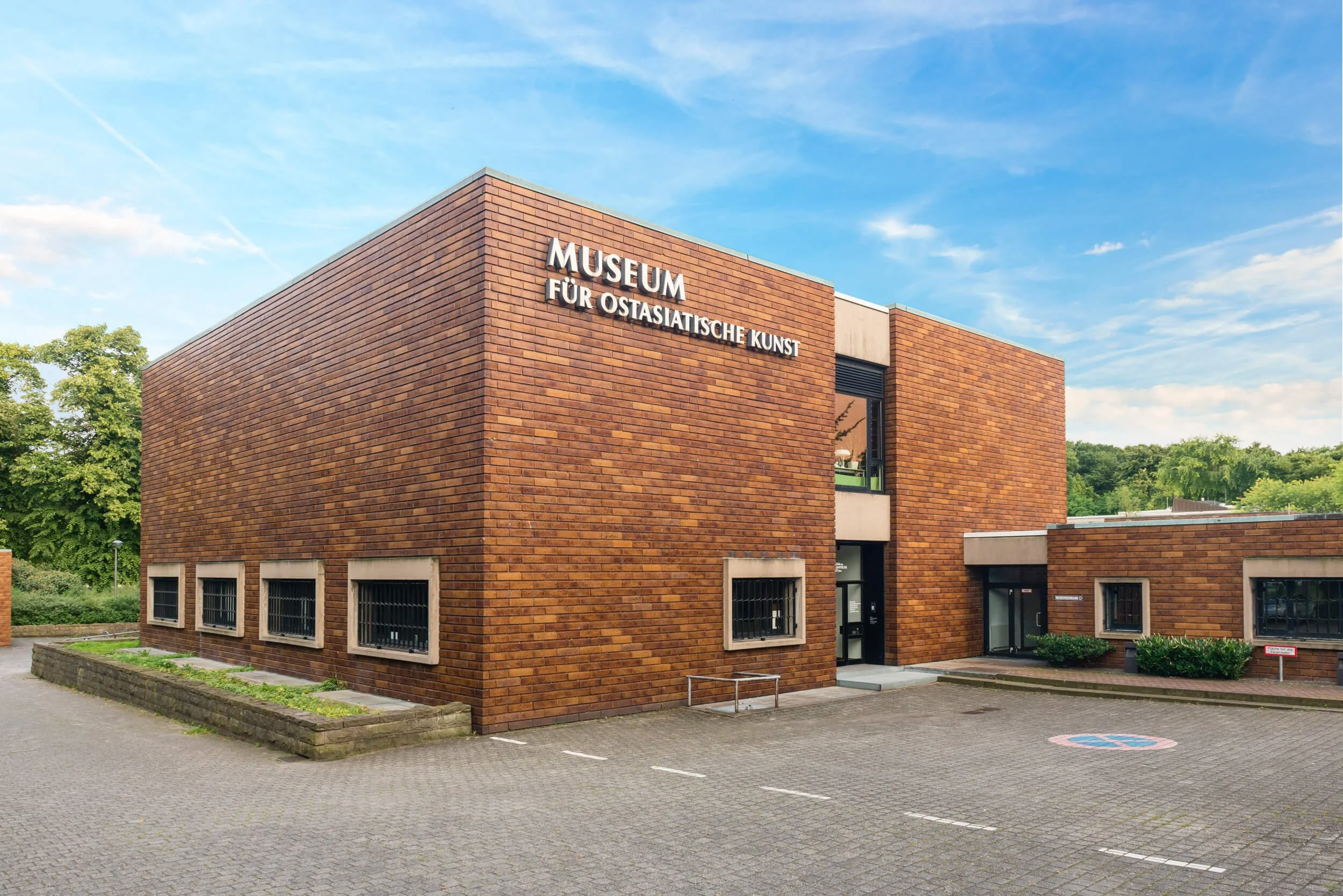
Layers and Cuts
Chinese Lacquer Art
June 18, 2026 — January 31, 2027
For thousands of years, the sap of the lacquer tree has been among the most precious materials in East Asia. It is used to coat, impregnate, and color wooden objects and ceramics, producing surfaces of exceptional depth, luster, and durability.
The production of carved lacquerware was established during the Song dynasty (960–1279) and developed into a highly complex technique of impressive precision. Dozens of single layer coatings are applied and then dried over the course of weeks and carved into relief with precise cuts. Layers of different colours, tinted with mineral pigments, create finely balanced contrasts and contours. Vibrant cinnabar red is a characteristic feature, which to this day is considered the epitome of Chinese carved lacquer, but outstanding artistic works have also emerged in the realm of black lacquer and mother-of-pearl inlays. The delicate decorations of the carved lacquerware mostly refer to myths and symbols of Daoism and Buddhism, as well as to the world of birds and flowers.
This special exhibition shows around 60 important Chinese lacquer works from the 12th to the early 17th century held in a Cologne private collection, complemented by selected works belonging to the Museum of East Asian Art. Among the special highlights are the understudied group of Yunnan lacquerware from the Yuan dynasty.